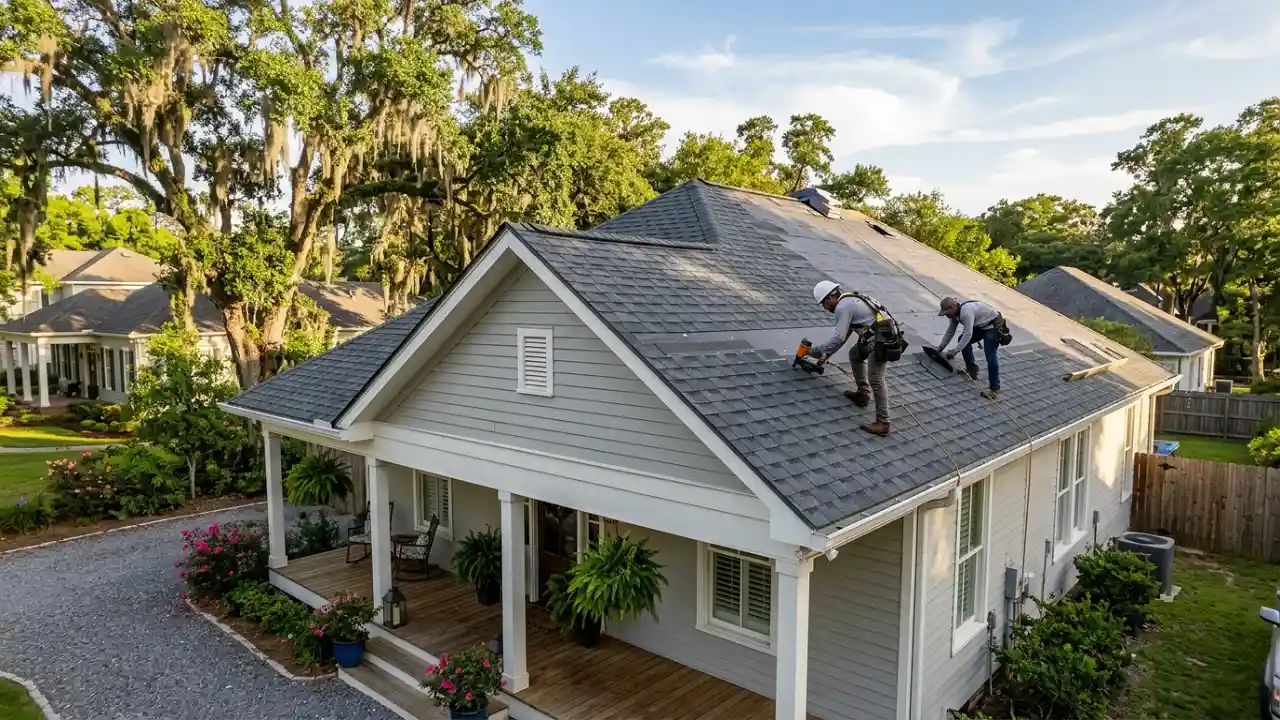
The roof of a building is not just a protective covering but a key component of the design that impacts the beauty and function of the home. For a home builder and a homeowner who is planning a redesign of the home, knowing how to work with the pitch ratios for a roof can save time and resources while maximizing the overall style, maintenance, and durability of the house. The roof pitch chart is one of the most important parts of architecture.

What is the Roof Pitch Chart and Why Does it Matter?
The roof pitch chart is a ratio of the rise and the run of a roof that indicates the vertical and horizontal distance ratios. An example of this can be a pitch of 6/12 which indicates that with horizontal distance of 12 inches, the roof will rise 6 inches.
Why does this matter? First, the roof pitch chart determines how the roof’s water, snow, and debris management systems work. Steeper slopes shed water faster and decrease the chances of leaks and water accumulation. Second, pitch influences the type of roofing materials that can be applied. Some materials perform well on low-slope roofs, while others perform well on steep pitches. Finally, pitch significantly affects the architectural character of your house. Steep roofs are dramatic and classic, while flatter roofs are modern and sleek.
How to Read a Roof Pitch Chart
Slope ratios are easier to understand through the use of a roof pitch chart. These charts outline the common roof slopes visually and numerically, helping you identify the type of roof you have or the design best suited for your work.
Roof pitch charts include standard ratios, for example, 3/12, 4/12, 6/12, and 12/12. These ratios indicate the rise of the roof over a horizontal distance. With a pitch chart, homeowners and contractors can estimate the roofing materials, drainage systems, and structural requirements.

Roof Pitch Calculation Charts
Some of the most used roof pitch charts include:
3/12 Pitch: This pitch is used for ranch-style homes and modern homes. It is a low slope pitch and requires special waterproofing materials as water tends to stay on the roof.
6/12 Pitch: This is the standard pitch that is used across residential houses. It is a good blend of style and usable.
9/12 Pitch: This is a steep slope used for homes in colder areas. This slope help in quick snow removal.
12/12 Pitch: This is known as the perfect 45 degrees and is a steep roof. This is a very traditional roof of houses.
Roof Pitch Chart
| Pitch (Rise/Run) | Slope (%) | Angle (Degrees) |
| 1/12 | 8.3% | 4.8° |
| 2/12 | 16.7% | 9.5° |
| 3/12 | 25% | 14° |
| 4/12 | 33% | 18.4° |
| 5/12 | 41.7% | 22.6° |
| 6/12 | 50% | 26.6° |
| 7/12 | 58.3% | 30.3° |
| 8/12 | 66.7% | 33.7° |
| 9/12 | 75% | 36.9° |
| 10/12 | 83.3% | 39.8° |
| 12/12 | 100% | 45° |
Going Deeper
- Low Slope Roofs (1/12 – 4/12)
• Best For: Commercial buildings, modern styled structures, and porches.
• Materials Used: Rolled roofing, rubber membranes (EPDM, TPO, PVC)
• Maintenance: Requires constant checking for leaks and water pooling. - Medium Slope Roofs (5/12 – 6/12)
• Best For: Standard suburban homes.
• Materials Used: Asphalt shingles, wood shakes, metal roofing, and clay tiles.
• Maintenance: Check gutters, replace shingles, and overall maintenance is easier. - Steep Slope Roofs (7/12 – 9/12)
• Best For: Traditional homes in areas with heavy rain/snow.
• Materials Used: Asphalt, slate, clay and metal are used due to gravity-friendly runoff.
• Maintenance: Requires professional inspections, self-care is dangerous. - Very Steep Roofs (10/12 – 12/12)
• Best For: Luxury and gothic homes, and cabins in snowy regions.
• Materials Used: Slate, clay tiles, and standing seam metal.
• Maintenance: Long lifespan with expensive installation; hard to maintain due to safety gear constraints.
Example in Real Architecture
- A mansard roof is a blend of steep lower slopes (sometimes 12/12 or more) with a flat upper slope (2/12–4/12) which offers elegance while providing useful attic space.
• A gable roof can differ significantly, but 6/12 is the most common.
• A hip roof is between 4/12 and 6/12 pitch for better performance in windy areas.
The following points will help you get started with the best roof pitch for your project:
- Weather Conditions – In areas that receive heavy snow, a steeper roof is a better option as it prevents heavy snow buildup. In windy areas, a moderate slope will be more stable.
- Type of Roof – Different roof pitch types come with differing slope ranges. A good example would be that of shingles where clay tiles need a steeper slope.
- Style of the House – Different house styles come with varying roof styles, for example steep roof pitches are quite common for traditional houses.
- Estimation of Expenses – While a steep slope will most likely increase expenses from added materials and labor, they will increase the lifespan of the roof by providing better drainage.
Tips for Maintaining your Roof Based on the Roof Pitch Chart
Your roof pitch impacts the slope of your roof and how you will maintain it:
- Pitched roof: need more frequent maintenance as staggering makes it easy for water and debris to accumulate. Adding extra waterproof layers is common.
- Moderate Slope: Still requires a yearly check to maintain flashing and shingles, but the overall maintenance is less frequent.
- Steep Roofs – They tend to be more dangerous to inspect, but snow and water are shed quickly. For steep slope maintenance, professional roofers are often recommended.
No matter the pitch, regular maintenance is important in prolonging the lifespan of your roof.

Concluding Thoughts on Roof Pitch Chart and Longevity
Creating a stylish, safe, and long-lasting roof for your house requires thinking beyond numbers and angles, which is why understanding the roof pitch chart is important. Mastering the unique slope ratios for your home, location, and design will allow you to make more informed roofing choices.
One of the most important home investments is the roof. With proper materials, the right pitch, and regular maintenance, it will safeguard your family and property for decades.
For More Roof Repair and Maintenance Visit Classic Roofing Restoration Page