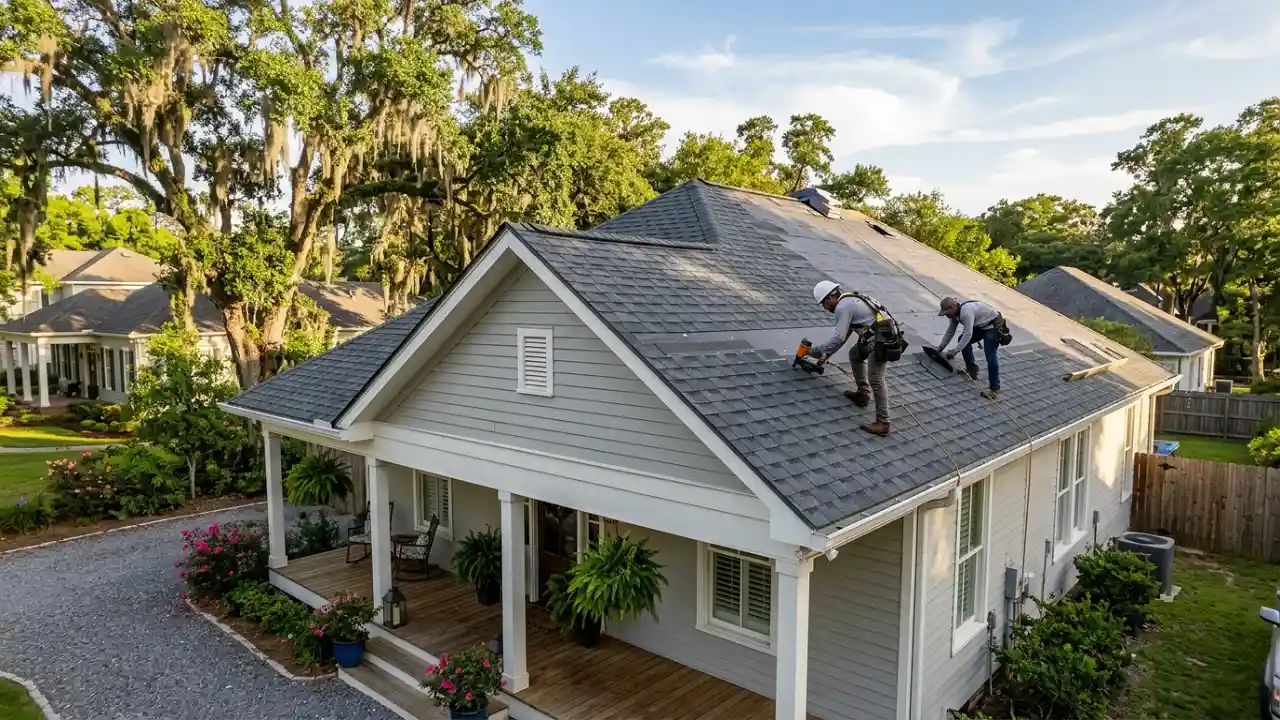
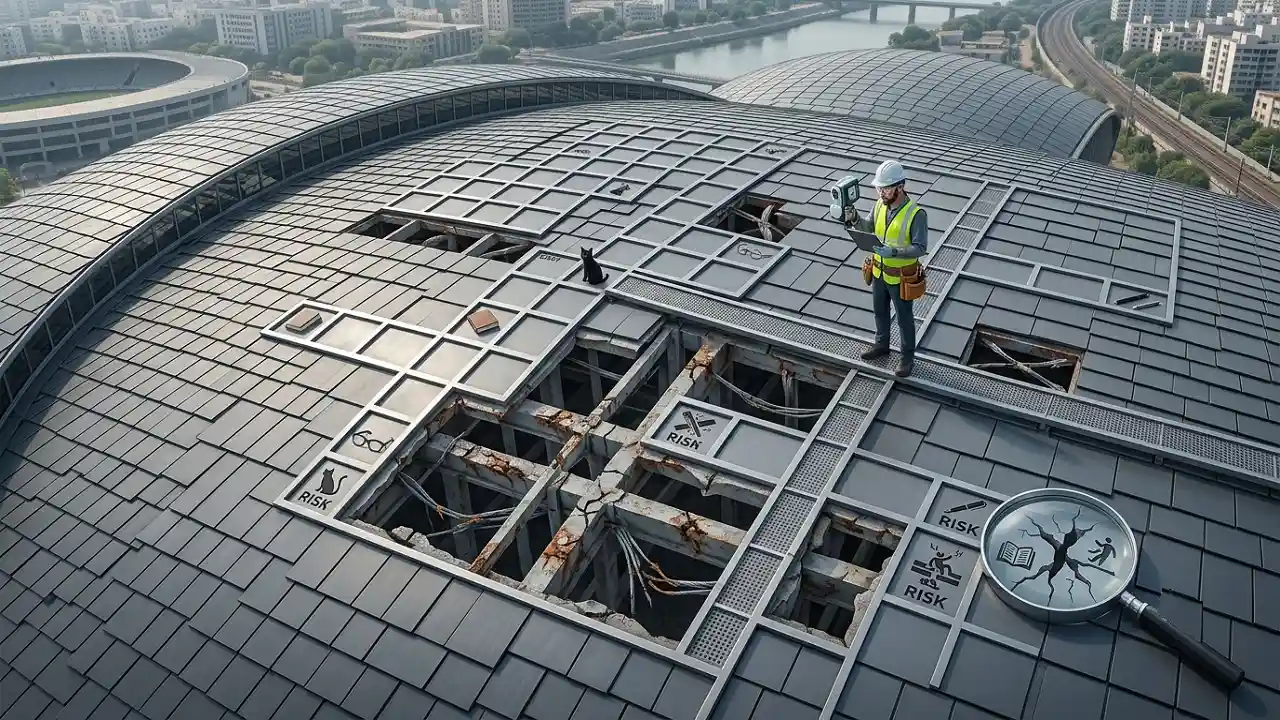
What is a Roofing Cop and Why Does It Matter?
In the simplest terms, a roofing cop (or coping) is a protective cap or cover that sits on top of a wall usually a parapet wall that extends above the roofline. Think of it as an umbrella for your walls. Its primary job is to shed water away from the wall and back onto the roof or into the gutter system.
Why Your Building Needs Coping
- Water Shedding: By creating a slanted or curved surface, it prevents water from pooling on top of the wall.
- Structural Integrity: It prevents water from seeping into the masonry joints, which can lead to “freeze-thaw” damage where expanding ice cracks your bricks.
- Aesthetic Finish: Beyond protection, it provides a clean, finished look to the top of any building.
How Insulated Vinyl Siding Works with Your Roof to Improve Home Insulation
Featured Snippet: What is the main purpose of a roofing? The main purpose of a roofing cop is to provide a continuous, waterproof seal over the top of a parapet wall. It prevents rainwater from penetrating the wall’s interior structure, which protects the building from leaks, mold, and masonry deterioration.
Common Materials Used in Roofing Coping Systems
Choosing the right material for your roofing cop depends on your budget, the architectural style of your building, and the local climate. Here are the most common options used by professionals today:
1. Architectural Metal
Metal is the most popular choice for modern commercial and residential buildings. Materials like aluminum, galvanized steel, or copper are fabricated into “C” or “U” shapes. They are lightweight, durable, and come in a variety of colors.
2. Clay and Terracotta
Often found on Mediterranean or traditional-style homes, clay coping offers a classic look. It is naturally fire-resistant and holds up well against UV rays, though it can be heavy and requires a sturdy wall structure.
Roof Water Diverter: How It Protects Your Home From Water Damage
3. Stone and Concrete
For a high-end, permanent feel, many developers choose natural stone or pre-cast concrete. While these are incredibly durable, they require professional sealing to ensure they remain waterproof over the decades.

Key Benefits of a High-Quality Roofing Cop Installation
Investing in a high-quality roofing cop system isn’t just about following building codes; it’s about long-term asset management.
- Prevention of Efflorescence: You’ve likely seen white, powdery stains on brick walls. This is efflorescence, caused by salt-laden water moving through masonry. Proper coping stops the water source.
- Wind Resistance: A properly secured metal cap helps hold the roofing membrane down at the edges, preventing wind uplift during storms.
- Lower Maintenance Costs: By keeping the “bones” of your building dry, you spend significantly less on tuckpointing and masonry repair over time.
Asphalt Shingle Roof Repair: Signs Your Roof Needs Immediate Attention
How to Identify Problems with Your Current Roofing Cop
Even the best systems can fail over time. As a property owner, you should perform a visual inspection of your roofing cop at least twice a year. Look for these red flags:
Gaps in the Joints
Metal coping expands and contracts with the temperature. If the sealant in the joints has cracked or if the “splice plates” have shifted, water will find its way underneath.
Standing Water
If you notice puddles sitting on top of your wall after a rainstorm, the roofing cop was likely installed without a proper “slope” or “wash.” This will eventually lead to leaks.
Rust and Corrosion
If you have steel coping that wasn’t properly galvanized or painted, rust can eat through the metal, creating pinholes that allow moisture to seep into the building’s envelope.
Roof Flashings: The Essential Guide to Protecting Your Home from Water Damage
Installation Best Practices for Long-Term Success
A roofing cop is only as good as its installation. To ensure your roof stays dry, professional installers follow a specific set of steps:
- Slope Toward the Roof: The top of the wall should be slightly angled so that water drains toward the roof’s drainage system, not down the exterior face of the building (which causes staining).
- Use of Cleats: High-quality metal systems use continuous cleats that are fastened to the wall first. The roofing cop then “snaps” onto these cleats, hiding the fasteners and providing better wind resistance.
- Drip Edges: The coping should overhang the wall by at least an inch or two, with a “drip edge” turned downward to ensure water drops straight to the ground rather than running down the side of the wall.
- Waterproof Underlayment: Before the metal or stone is placed, a secondary waterproof membrane should be applied to the top of the wall as a “last line of defense.”
Frequently Asked Questions About Roofing Coping
How long does a metal roofing cop last? Typically, a well-installed aluminum or steel coping system can last 20 to 30 years. Copper systems can last even longer, often exceeding 50 years with minimal maintenance.
Can I install a roofing cop myself? While it might seem like a simple “cap,” it requires specialized tools for bending metal and ensuring watertight joints. For commercial properties, hiring a certified roofing professional is highly recommended to maintain your warranty.
Does a roofing cop require maintenance? Yes. You should check the sealant at the joints every few years and clear away any debris or bird nests that might trap moisture against the material.
Protect Your Investment Today
The roofing cop might be one of the smallest components of your building’s exterior, but its role in moisture management is massive. By choosing the right materials and ensuring a professional installation, you can prevent thousands of dollars in water damage and keep your building looking its best for decades.