Commercial roof replacement steps must evolve as asset managers face unprecedented supply chain shifts and stricter regional building mandates.
Our field inspections reveal that delaying these critical capital upgrades exposes facilities to catastrophic structural vulnerabilities during upcoming severe storm seasons.
Roof Rejuvenation: How to Restore Your Roof Without Replacement
Key Takeaways
- Proactive planning mitigates exponential cost increases driven by global material shortages.
- Upgrading to energy-efficient single-ply membranes drastically lowers long-term operational expenditures.
- Navigating public insurance adjusting early ensures maximum coverage for storm-related structural asset losses.
What do these shifting regulatory codes mean for facility budgets?
If you have been following commercial roofing updates across our service areas, this structural shift will not come as a surprise.
Our analysis suggests that building code changes are forcing asset managers to rethink their long-term capital improvement timelines.
According to the latest design criteria from the National Roofing Contractors Association (NRCA), wind uplift requirements have intensified significantly.
This means a standard commercial roof replacement requires more robust insulation fastening patterns and heavier perimeter flashing.
We found that neglecting these updated mandates can result in denied insurance claims after a major weather event.
Property owners must recognize that failing to adapt to these strict guidelines directly threatens their bottom line.
Why Metal Roof Sealant Is a Game Changer for Leak Prevention
How do modern single-ply materials stack up under pressure?
Choosing the right material dictates the long-term ROI of your building envelope.
Our project managers note that GAF EverGuard TPO and Owens Corning commercial solutions dominate the current specification landscape.
Each option presents distinct advantages depending on your specific facility architecture and slope.
| Membrane Type | Average Lifespan | Wind Resistance Rating | Primary Benefit |
| GAF TPO (Thermoplastic Polyolefin) | 20 – 25 Years | Up to 110 MPH | Superior solar reflectance and heat mitigation |
| Carlisle PVC (Polyvinyl Chloride) | 25 – 30 Years | Up to 130 MPH | Highly resistant to chemicals, oils, and grease |
| EPDM (Rubber Membrane) | 25 – 30 Years | Up to 100 MPH | Excellent thermal shock resistance in cold climates |
Our field teams observed that executing a commercial roof replacement with the wrong membrane type can accelerate degradation under intense ultraviolet exposure.
Data compiled by the Asphalt Roofing Manufacturers Association (ARMA) confirms that proper material selection prevents premature system failure.
Investing in a high-quality drip edge and robust ice and water shields ensures your asset survives extreme environmental stress.
What step-by-step strategy ensures a seamless capital project?
Roofing industry insiders are noting that execution strategy matters just as much as material quality.
We have designed a streamlined engineering protocol to guide facility managers through this complex operational transition.
Implementing a strategic commercial roof replacement requires meticulous coordination to minimize tenant disruption and business downtime.
Understanding the 3/12 Roof Slope Plumb Cut: A Complete Guide for Roofers and Homeowners

Step-by-Step Commercial Capital Plan
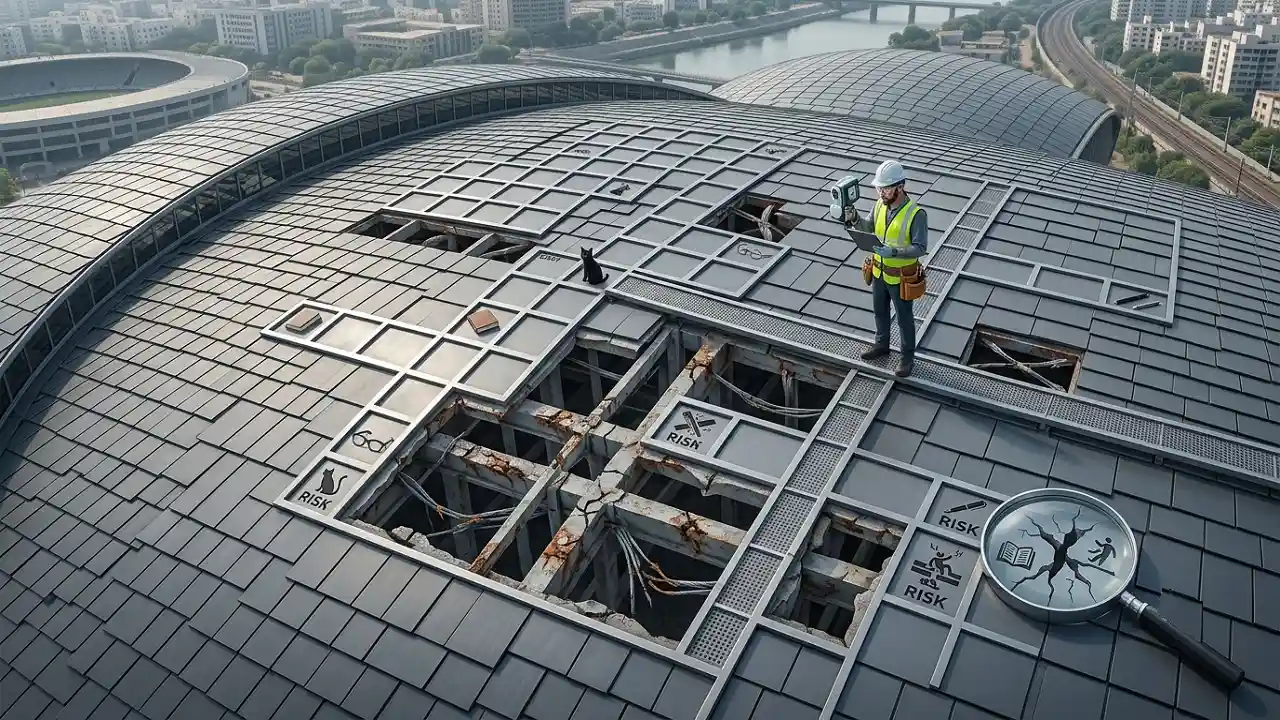
- Phase 1 (Core Sampling): Our technicians drill physical core samples to identify hidden sub-surface moisture and verify structural deck integrity.
- Phase 2 (Code Compliance): We cross-reference current International Code Council (ICC) building safety codes to design a fully compliant assembly.
- Phase 3 (Safety Infrastructure): Our safety directors install perimeter warning lines, safety flags, and specialized personal fall arrest systems before tear-off begins.
- Phase 4 (Substrate Preparation): We repair the structural deck and install a self-adhering vapor barrier to protect the building interior from ambient moisture migration.
- Phase 5 (Membrane Application): Our certified installers deploy the specified single-ply system and use robotic hot-air welders to fuse the field seams permanently.
- Phase 6 (Quality Assurance): We conduct an independent field inspection alongside a manufacturer representative to secure an extended NDL warranty.
How does severe weather impact your insurance restoration timeline?
Mitigating storm damage requires immediate action before secondary moisture issues compromise your structural deck.
The latest weather data from the National Oceanic and Atmospheric Administration (NOAA) indicates an upward trend in severe hail events across metropolitan corridors.
When a storm compromises your facility, navigating the complex insurance landscape becomes an immediate priority.
Our public adjuster liaison team emphasizes that documenting damage instantly prevents carriers from blaming pre-existing wear.
A delayed commercial roof replacement after a verified storm event can lead to structural mold development and compromised interior air quality.
We consistently advocate for property owners to secure comprehensive forensic engineering reports before signing any carrier settlement releases.
Insurance companies frequently attempt to minimize payouts by offering localized repairs when a full commercial roof replacement is legally required by local building ordinances.
Our corporate consultation division specializes in aligning engineering facts with policy language to protect your institutional investments.
We ensure that every code upgrade requirement is thoroughly documented for your insurance provider.
How can preventative maintenance protect your capital investment?
Proactive asset management extends the operational lifecycle of your building envelope far beyond the initial warranty period.
Our analysis suggests that routine roof inspections reduce emergency leak mitigation costs by over forty percent.
Establishing a rigorous maintenance schedule allows our teams to identify failing flashings before they manifest as costly internal leaks.
How Regular Roof Maintenance Can Save You Thousands
Essential Facility Maintenance Checklist
- Drainage Systems: Clean all primary roof drains and overflow scuppers quarterly to prevent dangerous water ponding.
- HVAC Flashing: Inspect all rooftop HVAC curb flashings and expansion joints annually for signs of thermal tearing.
- Debris Removal: Remove structural debris and foreign objects that can puncture the delicate single-ply membrane during high-wind events.
If your current system is approaching the end of its functional lifecycle, a strategic commercial roof replacement remains the most fiscally responsible path forward.
We found that patchwork repairs on an aged, saturated substrate only mask systemic failures while inflating your long-term capital expenditure.
Trusting an authorized, high-authority master select contractor ensures your facility remains protected against volatile shifting weather patterns.
Our certified estimators provide transparent data-driven assessments tailored specifically to your operational budget constraints.
We stand ready to guide your team through every phase of your next commercial roof replacement project.
For More Roof Repair and Maintenance Visit Classic Roofing Restoration Page