When a severe storm hits, property owners face an immediate battle against water intrusion and structural degradation.
Our field inspections reveal that the first 24 hours following a major weather event dictate the ultimate cost of your restoration.
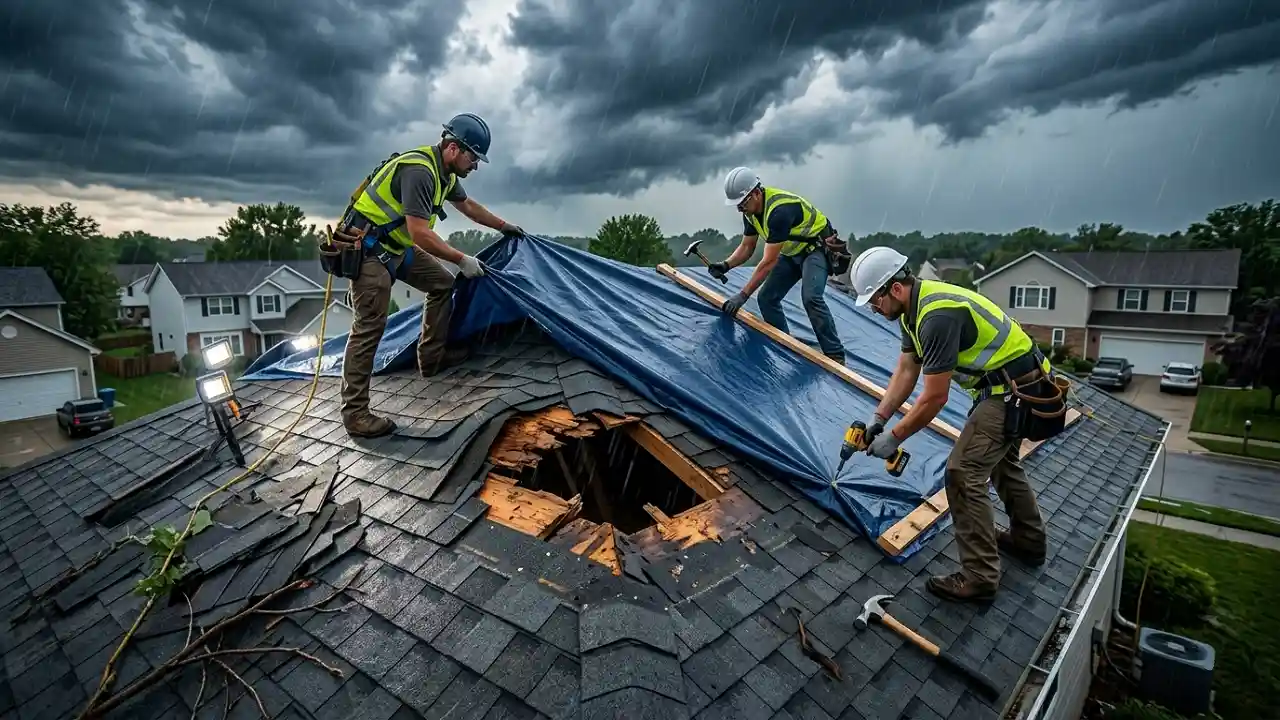
Deploying emergency roofing services immediately is the single most critical step in mitigating secondary interior damage.
Roof Pressure Washing Near Me: Avoid Shingle Damage
Key Takeaways
- Immediate Mitigation: Fast deployment prevents costly structural rot and mold growth inside the building envelope.
- Insurance Compliance: Standard policies require property owners to take proactive steps to prevent further damage after a loss.
- Safety First: Professional tarping and stabilization keep occupants safe while long-term repair strategies are formulated.
If you have been following repair & maintenance news updates across our service areas, this won’t come as a surprise.
The frequency of high-wind events and sudden hail storms has altered how we approach property preservation.
Our project managers note that delaying emergency stabilization can void specific insurance coverages if the carrier deems the subsequent damage preventable.
What does this mean for local property owners?
When the integrity of your roof is compromised, time is your greatest enemy.
We found that structural components like plywood decking and rafters begin absorbing moisture within minutes of exposure.
Utilizing qualified emergency roofing services ensures that temporary, high-durability barriers are installed before the next rain band arrives.
Our analysis suggests that many facility managers underestimate how quickly a minor leak evolves into a major structural liability.
We recommend partnering with an experienced team that understands both the physical repair and the documentation required by public adjusters.
According to the latest severe weather response protocols from the National Oceanic and Atmospheric Administration (NOAA), localized wind shear can create micro-tears in commercial membranes that are invisible from the ground.
| Material Type | Wind Resistance Rating | Average Lifespan | Typical Vulnerability |
| Three-Tab Shingles | Up to 60 mph | 15-20 Years | Uplift and Blow-offs |
| Architectural Shingles (GAF / Owens Corning) | Up to 130 mph | 25-30 Years | High-impact Hail Punctures |
| Standing Seam Metal | Up to 140+ mph | 50+ Years | Perimeter Flashing Failure |
How will this impact your next roof repair budget?
Failing to secure professional emergency roofing services can double your overall restoration expenses.
Water tracking down an interior wall quickly destroys drywall, insulation, and sensitive electronic infrastructure.
Roofing industry insiders are noting that insurance carriers are scrutinizing the timeline between the storm event and the initial mitigation effort more than ever.
The National Roofing Contractors Association (NRCA) emphasizes that temporary repairs should only be executed by trained personnel utilizing specialized safety gear like full-body harnesses and anchored lifeline systems.
Homeowners attempting to climb a wet, damaged roof run an incredibly high risk of injury.
Our field teams observed that DIY tarping attempts often blow off within hours because they lack the proper fastening techniques.
- Immediate Steps to Take After a Storm:
- Photograph visible damage safely from ground level.
- Contact an authorized contractor for emergency roofing services.
- Notify your insurance provider to initiate the claims process.
- Clear valuable interior items away from areas beneath active leaks.
Why Does The Roof of My Mouth Hurt Building Budgets
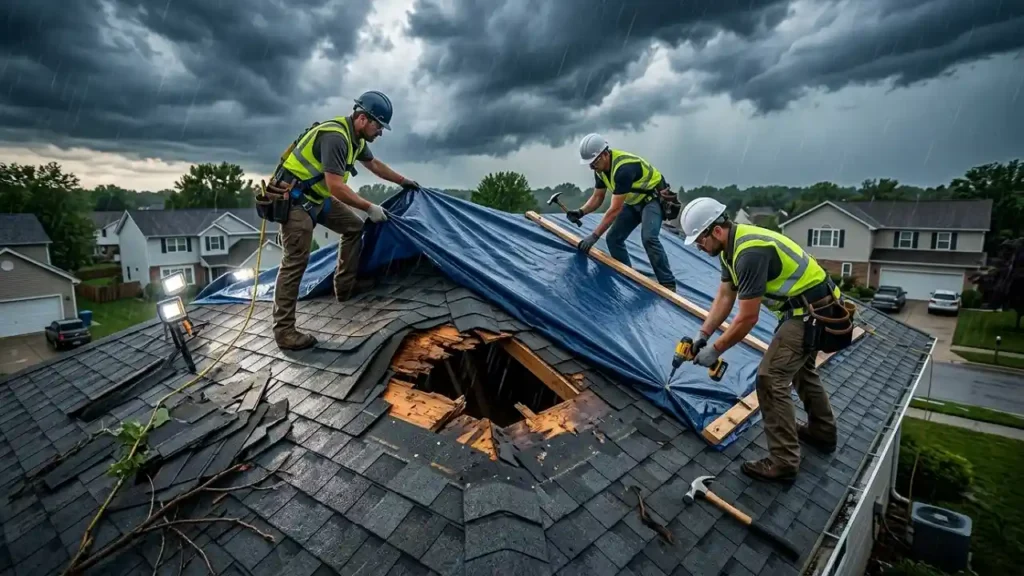
How do professionals execute emergency leak mitigation?
Our process focuses on speed, precision, and exhaustive documentation for your insurance files.
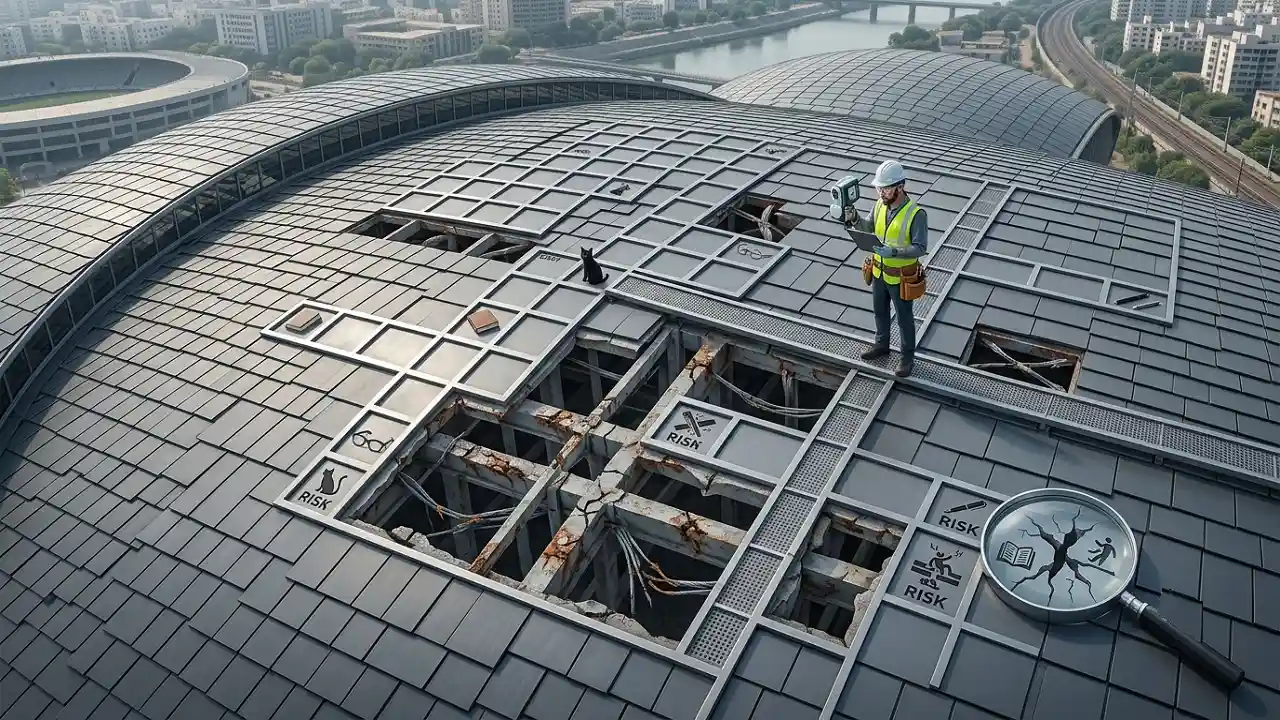
We begin with a systematic storm damage inspection to identify every compromised zone on your roof asset.
This ensures your temporary protection covers both obvious holes and hidden structural breaches.
Step-by-Step Emergency Mitigation Process
- Safety Assessment: We deploy crews equipped with OSHA-compliant safety gear to evaluate deck stability before walking on the surface.
- Debris Removal: Our teams clear fallen branches, shattered tiles, and loose shingles from the affected area to create a clean workspace.
- Thermal Imaging and Leak Detection: We utilize infrared technology to map the exact boundaries of subsurface moisture migration.
- Mechanical Fastening: We secure heavy-duty, UV-resistant tarps using wooden furring strips rather than simple sandbags to ensure wind resistance.
- Perimeter Sealing: We apply specialized termination bars and sealants around critical areas like the drip edge and chimney flashings.
- Comprehensive Documentation: We provide a detailed photo inventory and structural report directly to your public adjuster or insurer.
What happens if you ignore a subtle leak after a major storm?
Even if water isn’t dripping into your living room, it might be pooling on top of your ice and water shield.
Over time, this trapped moisture rots the perimeter eaves and weakens the structural fascia boards.
The Asphalt Roofing Manufacturers Association (ARMA) notes that prolonged moisture exposure degrades the fiberglass mat within modern shingles, leading to premature aging.
Investing in rapid emergency roofing services halts this degradation process in its tracks.
Our field inspections reveal that properties stabilized within twelve hours require significantly less decking replacement during the final roof build.
Roof Maxx Cost Impacts Your Preventative Maintenance Plans
What should you look for in a crisis contractor?
Not all roofers are equipped to handle the logistical chaos of a post-storm environment.
You need a partner with dedicated infrastructure for emergency roofing services who can respond when local communication networks are strained.
Look for companies that maintain a deep inventory of commercial-grade tarps, fasteners, and safety equipment.
- Red Flag Maintenance Checklists:
- Contractors demanding large upfront cash deposits before laying a temporary tarp.
- Out-of-state “storm chasers” who lack a permanent local physical address.
- Crews working without visible fall protection or mandatory safety gear.
- Estimates that lack specific line items for insurance line-item matching.
We found that clear communication between your contractor, your public adjuster, and your insurance carrier streamlines the final approval.
By utilizing premium materials like GAF Timberline HDZ or Owens Corning Duration shingles for permanent fixes, we ensure long-term resilience.
However, none of those premium materials matter if your decking rots while waiting for an adjuster to arrive.
Prompt emergency roofing services bridge the gap between initial destruction and final restoration.
They give you the breathing room required to review material specifications, check local building safety codes via municipal resources like .gov building safety codes, and make informed decisions.
Protect your investment by treating every storm breach as a structural emergency.
Our project managers are always ready to deploy to stabilize your commercial or residential asset.
For More Roof Repair and Maintenance Visit Classic Roofing Restoration Page.