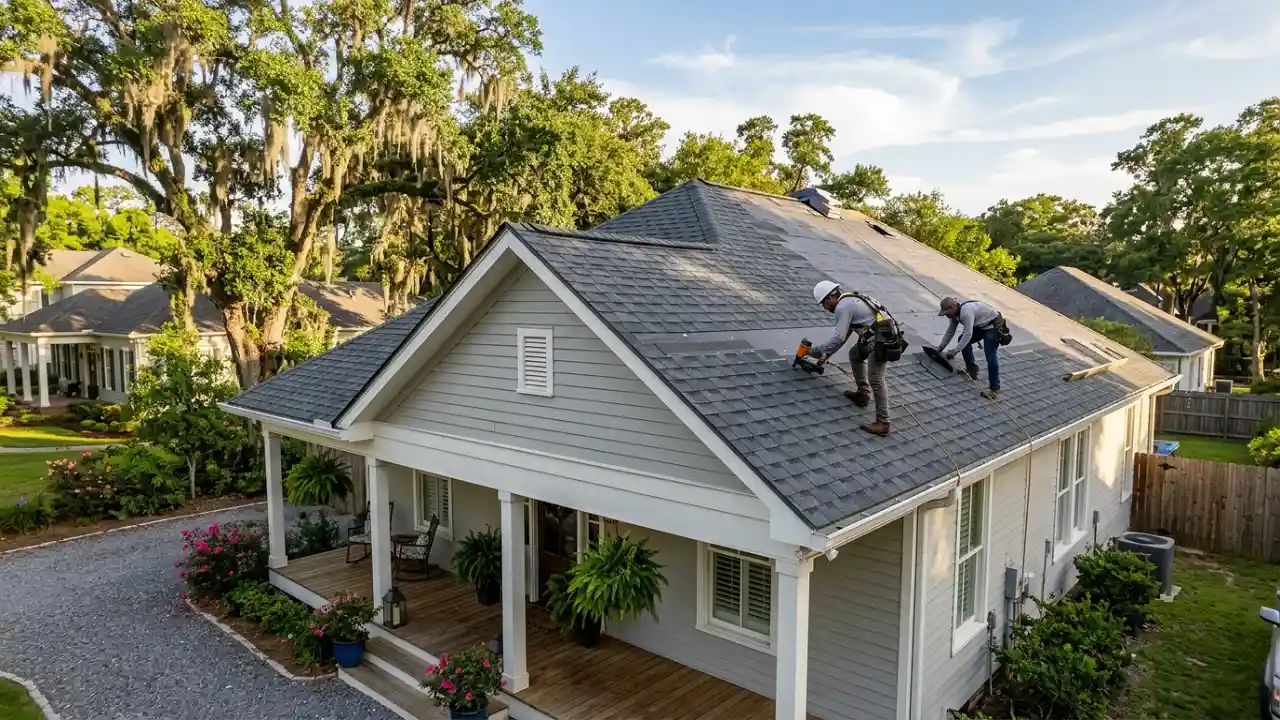
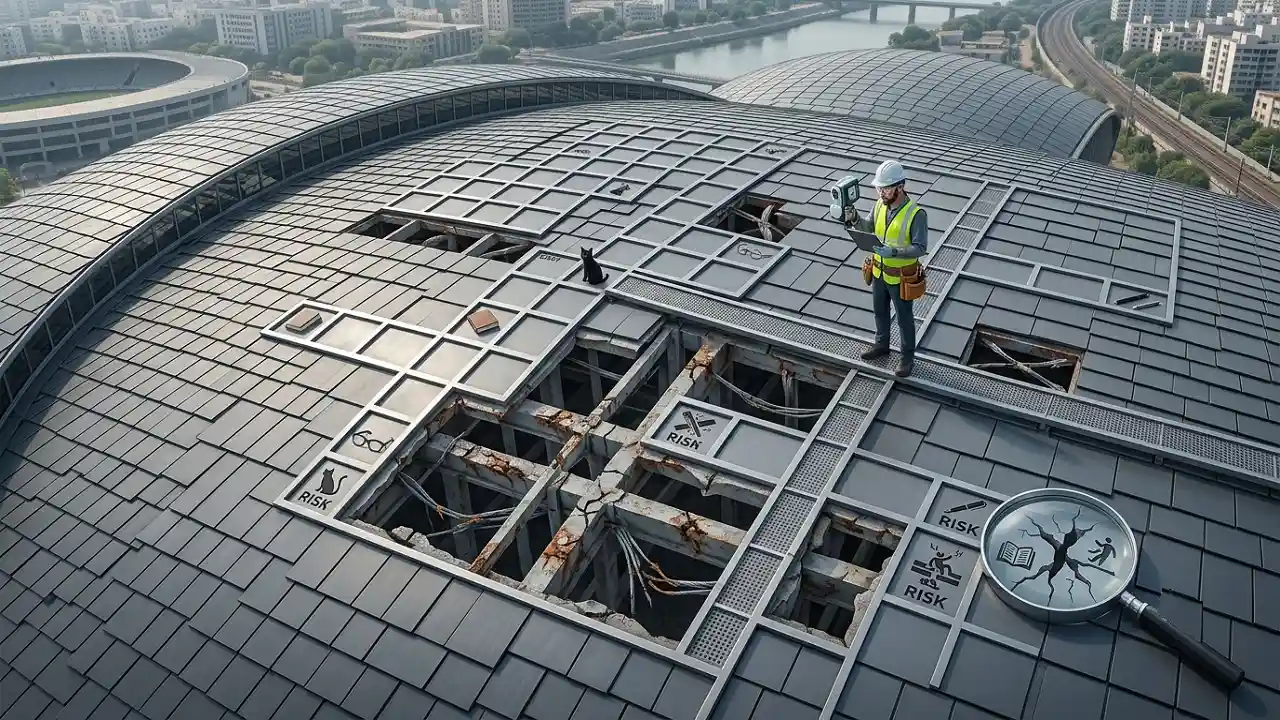
Installing a new roof is a major investment and an important part of maintaining your home. Whether you are replacing an old roof or installing a brand new one, understanding the roof installation process helps you make informed decisions, avoid costly mistakes, and ensure a long-lasting, high-quality result. This easy-to-understand guide covers everything you need to know about roof installation, including steps, materials, costs, and tips for hiring professionals.
What Is Roof Installation?
Roof installation refers to the process of laying down roofing materials on a home or building to protect it from weather elements like rain, wind, snow, and sunlight. The roof prevents water penetration, insulates the home, and contributes to the overall structural integrity and appearance.
A professional roof installation involves preparing the roof deck, applying underlayment, installing the chosen roofing material, and sealing all joints and edges for waterproofing.
Why Is Proper Roof Installation Important?
A correctly installed roof provides several key benefits:
-
Protection: Prevents leaks and damage from water, wind, and other weather conditions.
-
Energy Efficiency: Proper ventilation and insulation reduce heating and cooling costs.
-
Durability: Extends the lifespan of the roof material, saving money on premature repairs or replacement.
-
Safety: Ensures structural soundness to protect the home and its occupants.
-
Curb Appeal: Boosts the value and appearance of your property.
Common Roofing Materials
Choosing the right roofing material has a big impact on cost, aesthetics, and durability. Popular options include:
-
Asphalt Shingles: Affordable, versatile, and easy to install—ideal for many homes.
-
Metal Roofing: Durable and energy-efficient, great for longevity and modern styles.
-
Wood Shingles/Shakes: Natural look but requires regular maintenance.
-
Slate or Tile: Long-lasting and elegant but often heavy and costly.
-
Synthetic Roofing: Made to mimic traditional materials with added durability.
10 Steps of Roof Installation
Understanding the step-by-step installation process prepares you for what to expect from contractors and helps you communicate clearly.
-
Inspection and Planning: A roofing professional inspects the current roof and underlying structure to assess damage or issues and recommend the best materials.
-
Permit Approval: Securing necessary permits from local authorities to comply with building codes.
-
Preparing the Site: Protecting landscaping, setting up ladders or scaffolding, and cleaning the work area for safety.
-
Removing the Old Roof: Tearing off old shingles and underlayment, disposing of debris properly.
-
Roof Deck Inspection and Repairs: Checking the wood deck for damage or rot and making repairs to ensure a stable base.
-
Installing Underlayment: Applying a waterproof barrier over the deck to prevent moisture intrusion.
-
Installing Flashing and Edge Guards: Sealing vulnerable areas such as chimneys, vents, and roof edges to prevent leaks.
-
Laying Roofing Material: Installing shingles, metal panels, tiles, or other materials according to manufacturer specifications.
-
Installing Ridge Caps and Ventilation: Adding ridge caps and roof vents to ensure airflow and moisture regulation within the attic.
-
Final Inspection and Cleanup: Ensuring everything is installed correctly and cleaning up nails, debris, and equipment from the site.
How Much Does Roof Installation Cost?
The cost depends on several factors:
-
Roof size and pitch
-
Roofing material type
-
Labor and regional price differences
-
Removal of old roof
-
Additional repairs and features like ventilation systems
On average, asphalt shingle roofs cost less compared to metal or tile roofs. While it might be tempting to choose the cheapest option, investing in quality materials and professional workmanship pays off in durability and fewer repairs.
Tips for Hiring a Roofing Contractor
-
Get multiple quotes: Compare estimates to ensure competitive pricing.
-
Check credentials: Look for licensed, insured, and well-reviewed contractors.
-
Ask for references: Feedback from past clients tells you about reliability and work quality.
-
Clarify warranties: Understand coverage on both materials and labor.
-
Contract details: Get a written contract with clear terms, timelines, and payment schedules.
-
Communication: Choose a contractor who answers your questions patiently and clearly.
Roof Maintenance After Installation
Proper roof maintenance extends your roof’s life:
-
Inspect it twice yearly and after storms.
-
Clean gutters and downspouts regularly.
-
Remove debris and moss buildup.
-
Repair minor damages immediately.
-
Schedule professional roof inspections every few years.
Conclusion
Roof installation is a complex but essential process that protects your home and enhances its value. By understanding materials, installation steps, and hiring the right professionals, you can confidently manage your roofing project for a durable and beautiful result.
Taking the time to plan your roof installation carefully saves money and stress in the long term.