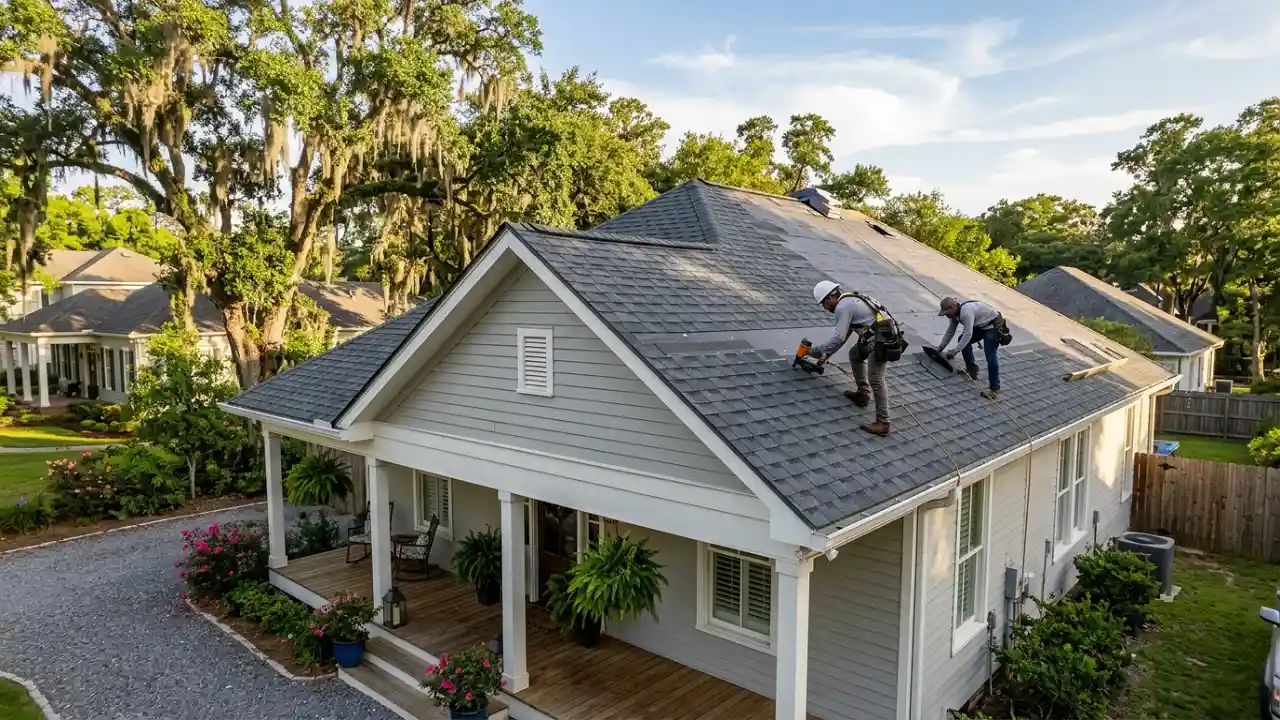
When it comes to maintaining a healthy, energy-efficient home in San Jose, roofing venting plays a crucial role. Proper ventilation improves indoor air quality, prolongs roof life, reduces energy costs, and helps prevent moisture and heat buildup in your attic. Given San Jose’s climate and the threat of wildfires, selecting the right roofing venting solutions is paramount. This guide will explore the importance of attic ventilation, common vent types, local considerations, and best practices for roofing venting in San Jose.
Why Roofing Venting Matters
Roof ventilation isn’t just about comfort; it protects the structural integrity of your home. Here are key benefits:
-
Moisture Control: Ventilation helps remove excess moisture from the attic, preventing mold, mildew, and wood rot that can damage your home.
-
Temperature Regulation: By venting hot air out in summer and cold air in winter, vents reduce indoor temperatures and minimize ice dam formation.
-
Energy Savings: Proper airflow reduces the workload on your HVAC system, lowering energy consumption and utility bills.
-
Fire Safety: In wildfire-prone areas like San Jose, using fire-safe vents enhances protection by minimizing ember entry while allowing airflow.
Types of Roofing Vents Commonly Used in San Jose
1. Ridge Vents
-
Installed along the roof’s ridge, allowing hot, humid air to escape continuously across the attic’s length.
-
They provide efficient, passive ventilation and are popular in sloped roof designs.
-
Ridge vents work best with adequate soffit or eave vents for balanced airflow.
2. Soffit Vents
-
Located under the eaves, soffit vents allow fresh air to enter the attic.
-
Their intake role complements ridge or other exhaust vents.
-
Properly sized soffit vents are essential for balanced ventilation.
3. Gable Vents
-
Installed on the attic wall between the roof’s eaves and peak.
-
Useful in combination with ridge and soffit vents.
-
Power gable vents, which include fans, actively move air, improving ventilation where passive methods are insufficient.
4. Turbine and Power Vents
-
Mechanical vents powered by wind or electricity.
-
Helpful for boosting airflow in large or poorly ventilated attics.
-
Must be combined with proper intake vents for effectiveness.
Roofing Venting Considerations in San Jose
Climate
San Jose’s Mediterranean climate features hot, dry summers and mild winters. Attic ventilation prevents:
-
Excess heat buildup that increases air conditioning costs.
-
Moisture accumulation that can damage insulation and wood structures.
Wildfire Risk
Local building codes often require fire-resistant vents to protect homes from flying embers during wildfires.
-
Choose vents made of metal or mesh with fine screens.
-
Certified fire-safe ventilation products are recommended.
Home Design
-
Roof shape and attic structure influence vent type and placement.
-
Multiple vent types may be used together to maximize airflow.
Best Practices for Roofing Venting in San Jose
-
Balance Intake and Exhaust: For effective ventilation, intake vents (soffit or eave) should equal or exceed exhaust vents (ridge, gable).
-
Consider Professional Evaluation: A roofing expert can calculate required vent area and recommend the right combination.
-
Regular Maintenance: Clean vents annually to ensure they are free of debris or bird nests.
-
Upgrade During Roof Replacement: If renovating your roof, consider updating the venting system to modern, energy-efficient standards.
Top Roofing Vent Services in San Jose
Residents can find numerous contractors specializing in roof vent installation, repair, and maintenance. Leading local experts include:
-
Westshore Roofing: Specializes in fire-safe vents and attic ventilation solutions.
-
Built-In Center LTE: Offers a variety of vent types and parts at discounted prices.
-
Eastman Roofing: Known for quality installations and custom ventilation plans.
-
Rossetta’s Roofing: Experienced and insured contractors serving San Jose and surrounding areas.
Signs You Need Roof Venting Improvements
Evaluate your attic and home for these issues indicating poor ventilation:
-
Excessive attic heat during summer.
-
Ice dams forming in winter.
-
Musty odors or mold growth.
-
Peeling paint or warped wood in attic.
-
Rising energy bills without increased usage.
Addressing these issues through improved roofing venting protects your home and enhances comfort.
Conclusion
Roofing venting in San Jose is a vital component of home maintenance and energy efficiency. With the right combination of ridge vents, soffit vents, gable vents, and possibly powered ventilation, homeowners can prevent moisture damage, reduce energy costs, and improve indoor air quality. Choosing fire-safe ventilation options adds critical protection in this wildfire-prone region.
For homeowners planning roof repairs or replacements in San Jose, consulting experienced roofing professionals who understand local climate and regulations ensures your venting system meets all needs for safety, durability, and performance.