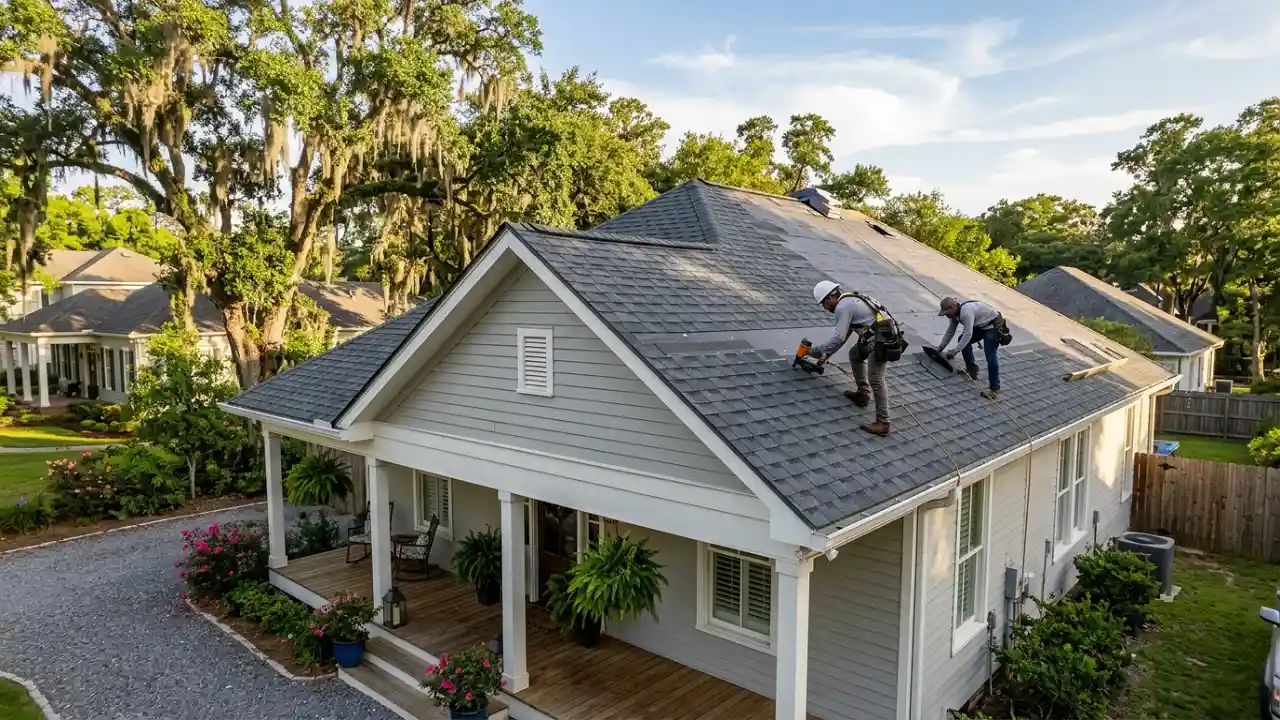
Proper roofing venting is a critical element for homes in San Jose, California, where the climate and wildfire risks require smart ventilation solutions to maintain energy efficiency, indoor air quality, and roof durability. Roofing Venting San Jose helps expel heat, moisture, and stale air from the attic, preventing common roofing issues such as mold, mildew, ice dams, and premature shingle deterioration. This article will explore why roofing venting is important for San Jose homes, the types of roof vents commonly used, local regulations and fire-safe vent options, and how homeowners can choose the right venting solutions that fit their needs and budgets.
Why Roofing Venting Matters in San Jose
San Jose experiences a Mediterranean climate with hot, dry summers and mild, wet winters. The region is also susceptible to wildfires, which adds extra importance to fire-safe roofing materials and venting systems. Proper attic ventilation:
-
Controls indoor temperature by allowing hot air to escape, reducing cooling costs in summer.
-
Prevents moisture buildup that leads to mold growth and wood rot.
-
Protects roofing materials by preventing heat damage and accumulation of moisture.
-
Supports improved indoor air quality by removing allergens and pollutants.
-
Enhances energy efficiency by reducing the load on HVAC systems.
Increased awareness of these benefits has resulted in more San Jose homeowners investing in modern roofing venting systems as a smart home improvement.
Common Types of Roofing Vents in San Jose
San Jose roofing professionals offer a range of ventilation options suited to different roof styles and homeowner needs. The most common types include:
1. Ridge Vents
Ridge vents run along the peak of a sloped roof and allow warm, moist air to escape naturally. They work in tandem with soffit vents to create continuous airflow through the attic. Experts widely regard ridge vents as the most effective roof ventilation solution in residential properties.
2. Soffit Vents
Installed under the eaves, soffit vents allow cooler air to enter the attic, pushing hot air out through upper vents like ridge vents. They are essential for balanced ventilation systems.
3. Gable Vents
Mounting on the triangular portions of the end walls (gables), these vents provide additional airflow for attics, popular in homes without ridge vents or to supplement ventilation.
4. Roof Caps and Turbine Vents
Roof caps cover exhaust openings and prevent water and debris entry. Turbine vents use wind power to enhance airflow and can be visually distinct on rooftops.
Fire-Safe Venting Solutions for San Jose Homes
Due to the wildfire risk in Santa Clara County and the wider San Jose area, fire-safe roofing components including vents are recommended or required by building codes. Specialized vents are designed to resist embers and flames while maintaining efficient airflow, ensuring safety without compromising ventilation effectiveness.
Local roofing companies like Westshore Roofing provide fire-safe attic vents tested to meet stringent fire resistance standards. Professional installation is crucial to maximize protection.
Choosing the Right Roofing Vent for Your Home
Selecting a roofing venting system requires a personalized approach because factors such as roof design, attic size, existing ventilation, climate conditions, and budget all influence performance. Key considerations:
-
Roof Design: Sloped roofs benefit most from ridge and soffit vent combinations; flat roofs may require powered or static roof vents.
-
Attic Size: Proper vent size and quantity must match attic cubic footage to achieve balanced airflow.
-
Climate: Hot climates prioritize preventing heat buildup, while cold climates must manage moisture to avoid ice dams.
-
Fire Safety: San Jose homeowners should prioritize fire-safe vents that comply with local building codes.
-
Professional Assessment: Consulting a roofing contractor ensures the optimal type and placement of vents for your home’s configuration.
Maintenance and Inspection of Roof Vents
Routine inspection and maintenance extend the lifespan and effectiveness of your roof ventilation system. Check for:
-
Blockages by debris, nests, or dust.
-
Damage from weather, animals, or wear.
-
Proper sealing around vents to prevent leaks.
-
Ensure free airflow through soffit vents without obstruction.
Reliable local roofing services in San Jose provide roof vent inspection and repair to maintain airflow integrity.
Local Roofing Vent Providers in San Jose
San Jose offers several reputable companies specializing in roof ventilation installation, repair, and consultation, including:
-
R E Roofing & Construction
-
Acme Roofing Services
-
Stoneridge Roofing
-
Westshore Roofing, Inc.
-
Built-In Center LTE Company
These experts offer tailored roofing vent solutions with a focus on fire safety, energy efficiency, and durability.
Conclusion
Roofing venting in San Jose is vital for maintaining a healthy home environment, protecting roofing investments, and ensuring compliance with local safety standards. Whether installing ridge and soffit vents for new construction or upgrading to fire-safe vents in existing homes, appropriate ventilation provides long-term benefits in energy savings, comfort, and roof longevity. Homeowners should collaborate with experienced roofing professionals to choose and maintain the right venting system tailored for San Jose’s unique climate and wildfire challenges.