Introduction
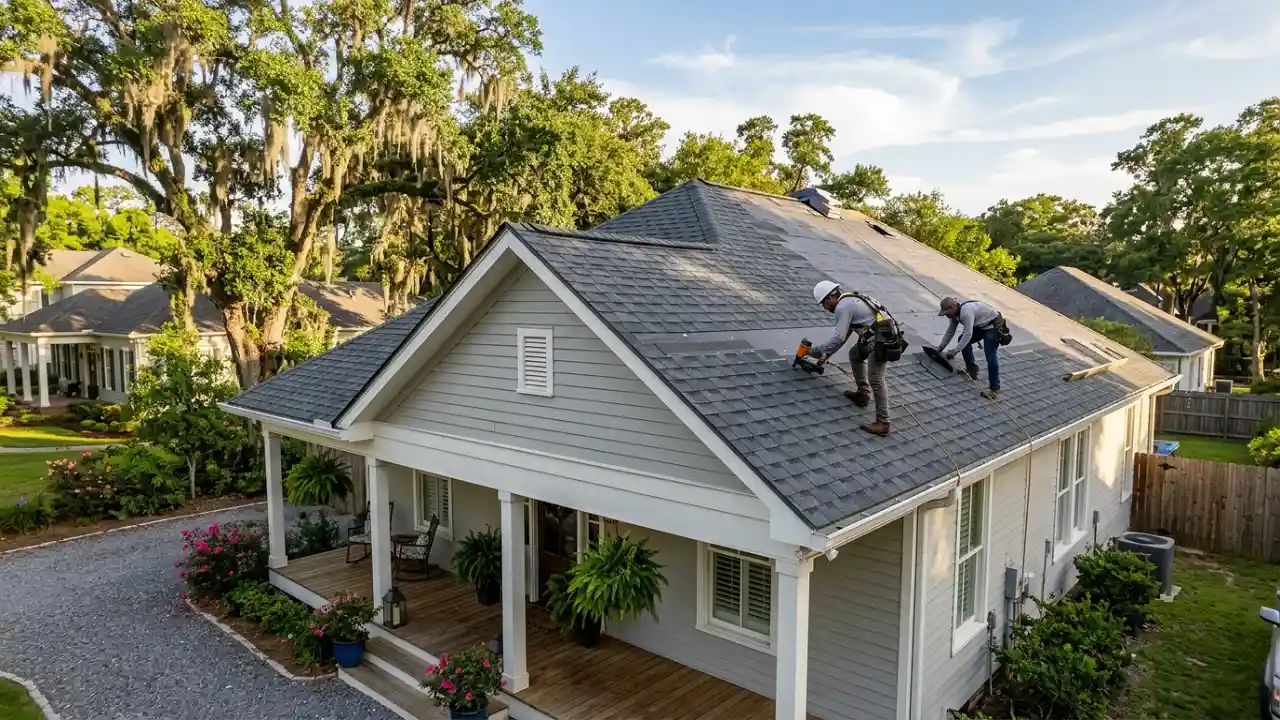
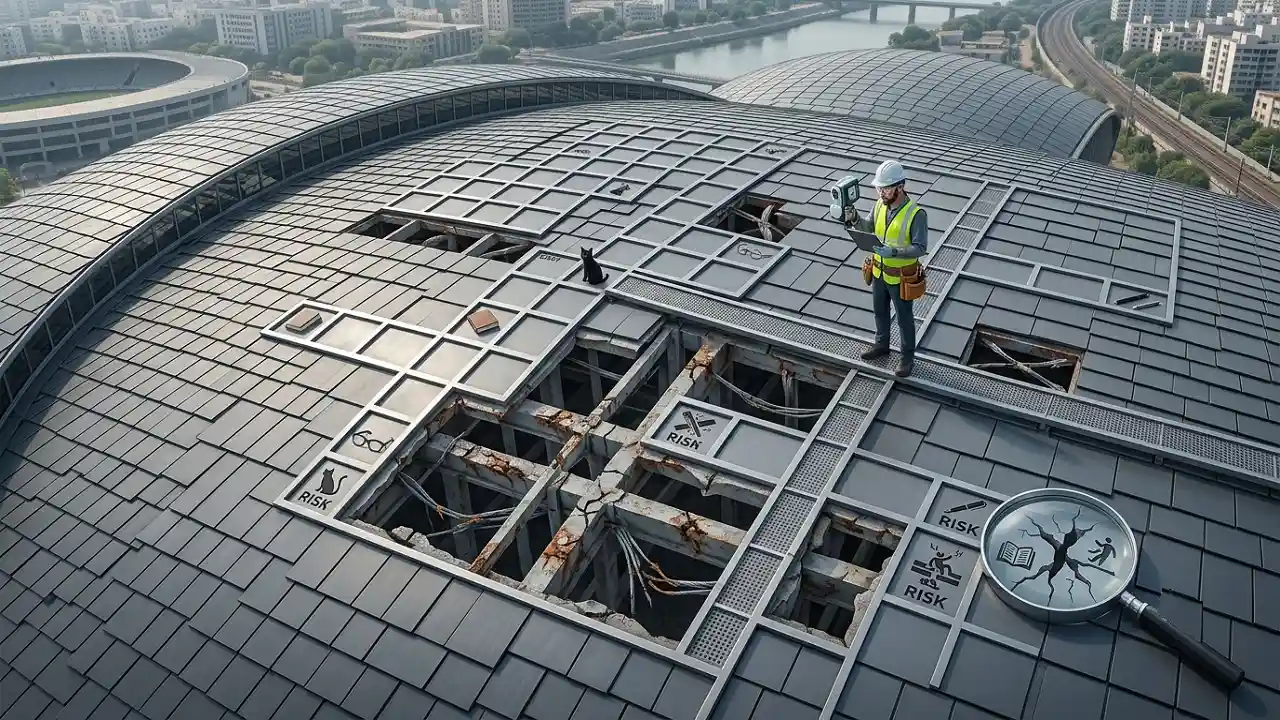
Over time, concealed leaks in your roof can lead to extensive damage to your home. One of the best ways to defend your home is to invest in proper roof waterproofing.
Roof waterproofing, explain the reasons for its importance, discuss the new advances in waterproofing techniques in 2025, and explain how to maintain your roof in a manner that undoes no damage and spares expensive repairs.
If you are a homeowner or a Roof Work installer, learning the fundamentals of roof waterproofing will help keep your investment safe and offer you peace of mind.
What is Roof Waterproofing?
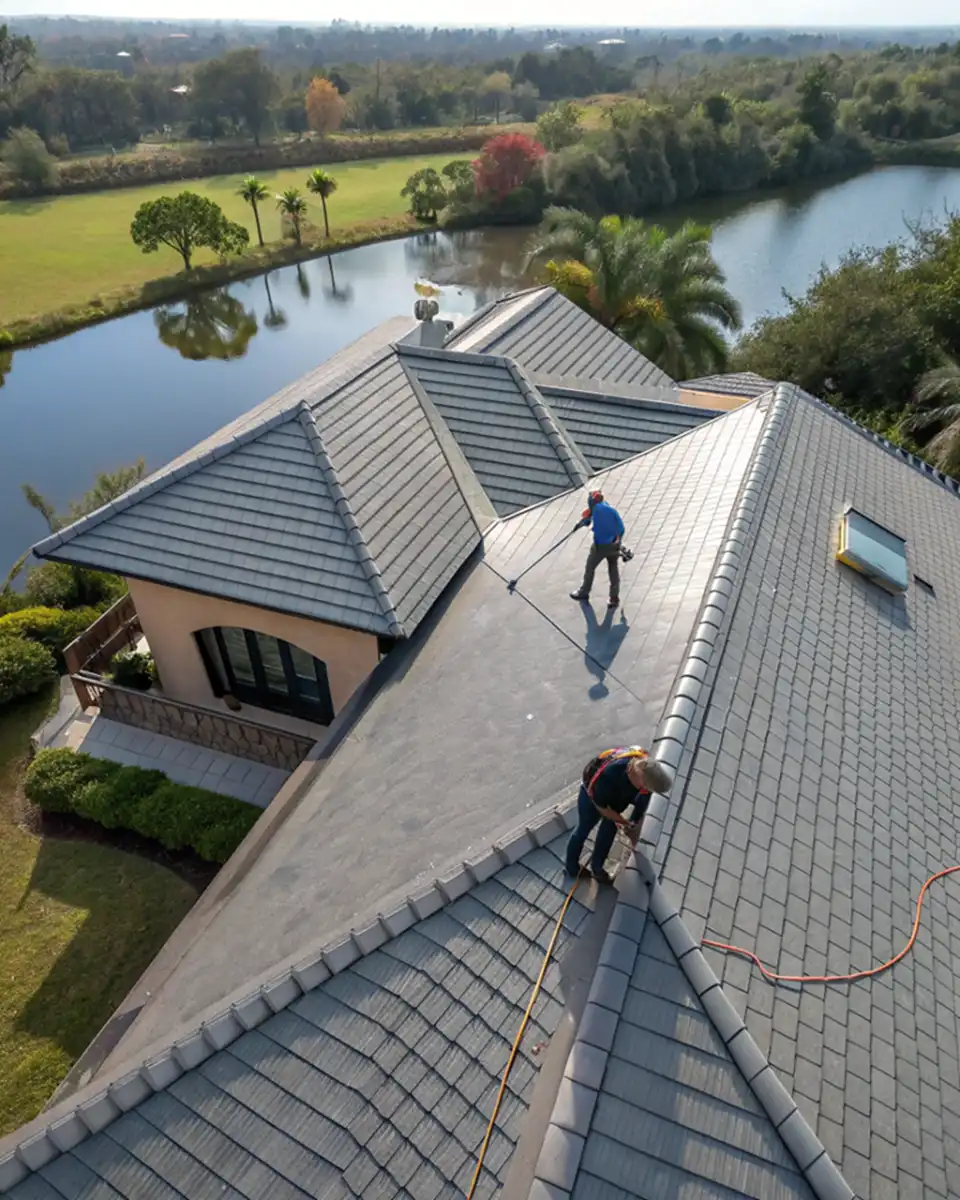
Roof waterproofing is the process of making your Roof Failure impermeable to water. It is the creation of a barrier that protects your home from the penetration of water and weather elements in the form of rain and snow. Well-done roof waterproofing gets rid of water leaks that go hidden and can escalate in damage if untreated.
Importance of Roof Waterproofing
The value of your home depends on how well the roof waterproofing prevents the level of rot and decay of furniture. It prevents the growth of dangerous mold, rotting of wood, and damage to ceilings and walls. Without proper waterproofing, even a small crack or gap in the roofing material can lead to significant interior damage.
Latest Techniques in Roof Waterproofing (2025 Update)
Advancements in waterproofing methods have made it easier and more cost-efficient to protect houses from water damage. Below are the most popular roof waterproofing techniques as of 2025:
· Liquid Deck Waterproofing
A water-repellent liquid coating reinforced with glass fibres is applied to roof surfaces. It forms a flexible and durable barrier that protects surfaces such as concrete, bitumen, and asphalt. Waterproofing effectiveness is improved with the application of multiple layers.
· Polyurethane-Based Membranes
This modern method incorporates the use of polyurethane materials because of their elasticity and durable water resistance. These membranes are easy to apply and highly durable, especially useful for flat roofs and terraces.
· Bituminous Membrane Coating
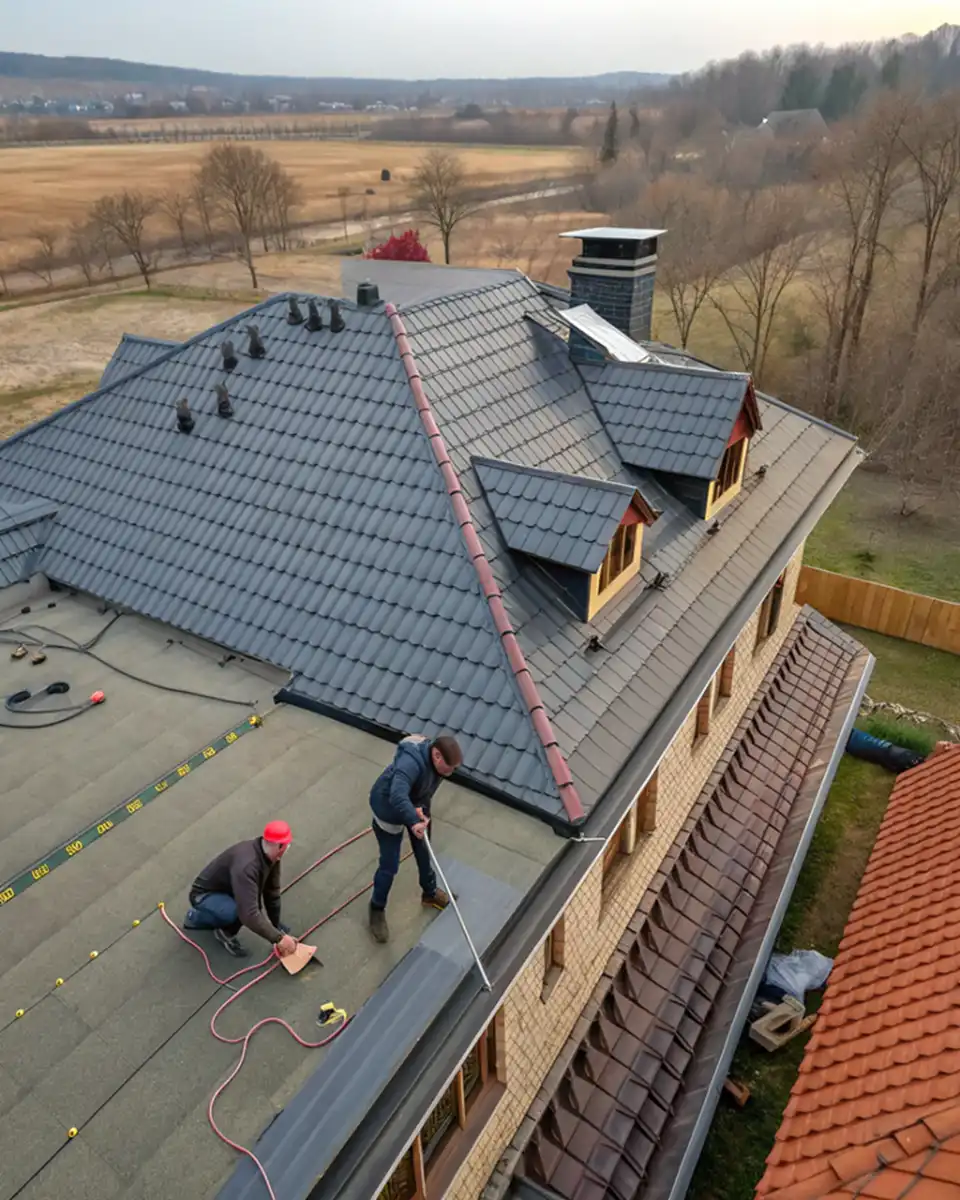
Bitumen, a sticky petroleum product, is heated and applied for water resistance. While this method is effective, bitumen can degrade when exposed to sunlight for prolonged periods, which is why it is often combined with other membranes to boost protection.
· Cementitious Waterproofing
This budget-friendly option involves mixing water proof compounds with cement and applying it to concrete roof maintenance. It offers strong resistance to water damage.
· Conventional Methods
The use of the Brickbat Coba technique and Mud Phuska are traditional approaches in which brick or mud mixtures are used to waterproof roofs. Even though they add weight and require continuous curing, these methods are still widely used in some regions.
Comparison of Roof Waterproofing Methods
| Method | Durability | Application Ease | Cost Range | Ideal For | Notes |
| Liquid Deck Waterproofing | High | Easy | Moderate | Concrete, Asphalt | Flexible, requires multiple layers |
| Polyurethane Membranes | Very High | Moderate | Higher | Flat Roofs, Terraces | Elastic, long-lasting |
| Bituminous Coating | Moderate | Moderate | Moderate | Various Roof Types | May degrade under UV exposure |
| Cementitious Waterproofing | Moderate | Easy | Low | Concrete Roofs | Cost-effective |
| Brickbat Coba | Low to Moderate | Difficult | Low | Traditional Roofs | Heavy, requires long curing |
| Mud Phuska | Low | Difficult | Very Low | Budget-Conscious | Time-consuming, heavy |
Roof Waterproofing Tips to Prevent Leakages
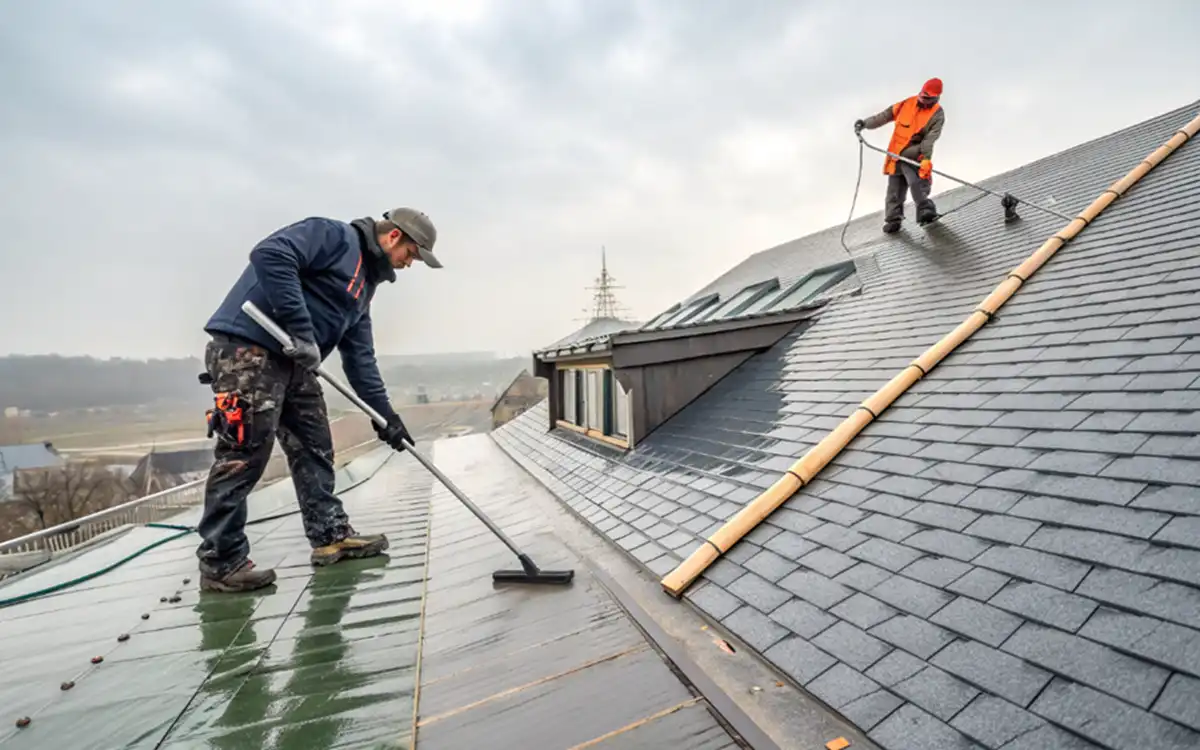
Preventing waterproofing systems from deteriorating requires regular maintenance. You should fix any openings quickly. Since roof underlayment is the waterproofing first line of defense, have it inspected foe damage.
You should also hire professional roof installers to execute waterproofing techniques as it is a way to guarantee the best workmanship.
Common Causes of Water Damage Related Roof Failure
Water build up as a result of blocked gutters. Inadequate or poor ventilation systems causing condensation. Damage to the roof from exposure to the elements or the passing of time. Poor installation of the waterproofing systems.
Conclusion
Effective waterproofing techniques will keep the hidden leaks from damaging your home. Improved materials for waterproofing provide more methods to protect your roof from damage.
With the right techniques, waterproofing your roof will give you peace of mind. Roof work will also remain maintenance free for a long time.
For More Roof Repair and Maintenance Visit Classic Roofing Restoration Page