
Introduction
Most homeowners think of shingles, tiles, or metal panels when considering their roof’s protection. But the real strength of a roof is something that homeowners cannot see: the roof underlayment. Roof underlayment acts as the first line of defense and prevents water, heat, and cold from damaging the structure of your home.
With advancements in technology leading to 2025 roof underlayment is more high-tech and essential than ever in preventing damage and failure to roofs and eliminating the need for roof replacement.
What is Roof Underlayment?
Roof underlayment is the sheet of material that is installed between the roof deck and the outer roofing tiles or shingles.
The main job of underlayment is to offer an additional water-resistant barrier to prevent moisture from penetrating the house interior. The most common types include:
- Asphalt-saturated felt (traditionally called “felt paper”)
- Synthetic underlayment (made of polypropylene or similar polymers)
- Rubberized asphalt or self-adhering membranes
Each of these types has their own strengths, but the recent trend toward the 2025 synthetic and hybrid underlayment has provided new standards in eco-friendliness, tear and pull strength, and overall efficiency.

Why Roof Underlayment Matters More than Ever?
Due to climate change, the frequency and severity of rain and storms have increased, and shingles and roof coverings are no longer sufficient for long-term protection.
Roof underlayment provides the most reliable protection by:
- Providing water proof coverage and preventing leaks when the top layer fails.
- Lessening damage caused by ice dams, wind-driven rain, and snow accumulation.
- Protecting the roof deck from mold, rot,Roof Failure and structural deterioration.
- Improving fire protection and slowing fire spread (especially important in wildfire prone areas).
- Providing better insulation which helps with overheating or excessive cooling your home.
Smart building codes and quality new construction practices now require roof underlayment in all new installs. This is for a good reason, the absence of underlayment is a primary cause for roofs failing and roof repairs.
2025 Roof Underlayment Innovations
There have been several advancements this year that have changed the industry for the better, making roof underlayment even more efficient:
Synthetic underlayments with high performance features: 2025 roof underlayments will have new high performance synthetic polymers which increases strength, is slip resistant (safer for installers), and will last longer. This is important for steep-slope and gambrel roofs.
Peel and stick/self-adhesive membranes: This allows for quicker and simpler installation, while creating a near-impenetrable waterproof seal.
Cool roof underlayment and roofing with integrated solar panels: Underlayment now have reflective surfaces which keeps the house cooler and reduces energy use. This is important for homes with solar panels or that need heat reflection.
Fire-rated materials are safe and allow roofs to breathe meaning moisture won’t get trapped while still providing airtight protection.
Smart sensors and remote diagnostics have become built-in features of advanced underlayments. These sensors monitor moisture and heat levels, notifying homeowners and contractors of issues before they become costly repairs.
Thanks to these advancements, no matter what type of roof you have, be it a traditional shingle Roof Damage, a modern tile system, or even a gambrel roof, a new underlayment will protect you from surprises when the roof needs work.

Practical Benefits for Homeowners
Quality roof underlayment is a valuable asset for every property owner, and here’s why:
- Reinforced peace of mind: If shingles shift or during storms, double protection keeps your home dry.
- Roofs last a long time: Underlayment delays the roof wearing and structural threats, which could prolong your roof for more than 10 years.
- Lower maintenance:There will be no hidden leaks, emergency repairs in your attic, or stains from water.
- Increased resale: A great roofing system is a magnet to new buyers, making the home easier to sell.
Common Mistakes and Installation Tips
| Underlayment Type | Water Resistance | Tear Strength | Fire Resistance | UV Stability |
| Asphalt-Saturated Felt | Moderate | Moderate | Low | Low |
| Synthetic (Polypropylene) | Excellent | High | Medium | High |
| Peel-and-Stick Membrane | Superior | High | High | High |
| Hybrid/High-Tech | Superior | Outstanding | High | Superior |
No matter what, the best roof underlayment will still fail without proper installation.
Guidelines to Remember for 2025:
- Always get the right type for your roof pitch and climate (e.g. guided underlayment for steep and gambrel roofs).
- Follow the manufacturer’s specs for overlapping the seams to make sure water doesn’t get through the joints.
- Avoid fastener overdriving which creates holes, and tears. Newer peel and stick membranes minimize this risk.
- Don’t skip underlayment in valleys, eaves, or complex roof sections since those are the spots that tend to leak the most.
- Make sure to get an experienced contractor for roof work that has current knowledge, materials, and codes.
The Function of Roof Underlayment in Damage and Failure Prevention
Underlayment on roofs is the best protection from the roof failing due to extreme weather, blowing off the shingles, and having faulty flashing. It serves as:
- A moisture barrier protecting the wooden deck from rotting.
- Protection from wind-driven rain and ice storms, which are often unseen until water leaks into the living area.
- A protection from extreme heat and cold to help avoid cracking and splitting.
- These details saved countless roofs from damage and saved the homeowners thousands from having to do a premature replacement on their home.
Roof Underlayment and Roof Replacement in 2025
When homeowners and contractors are replacing roofs, they place a focus on the quality underlayment. Considering the cost of labor and the weather is variable, using cutting-edge synthetic membranes or a hybrid version is vital.
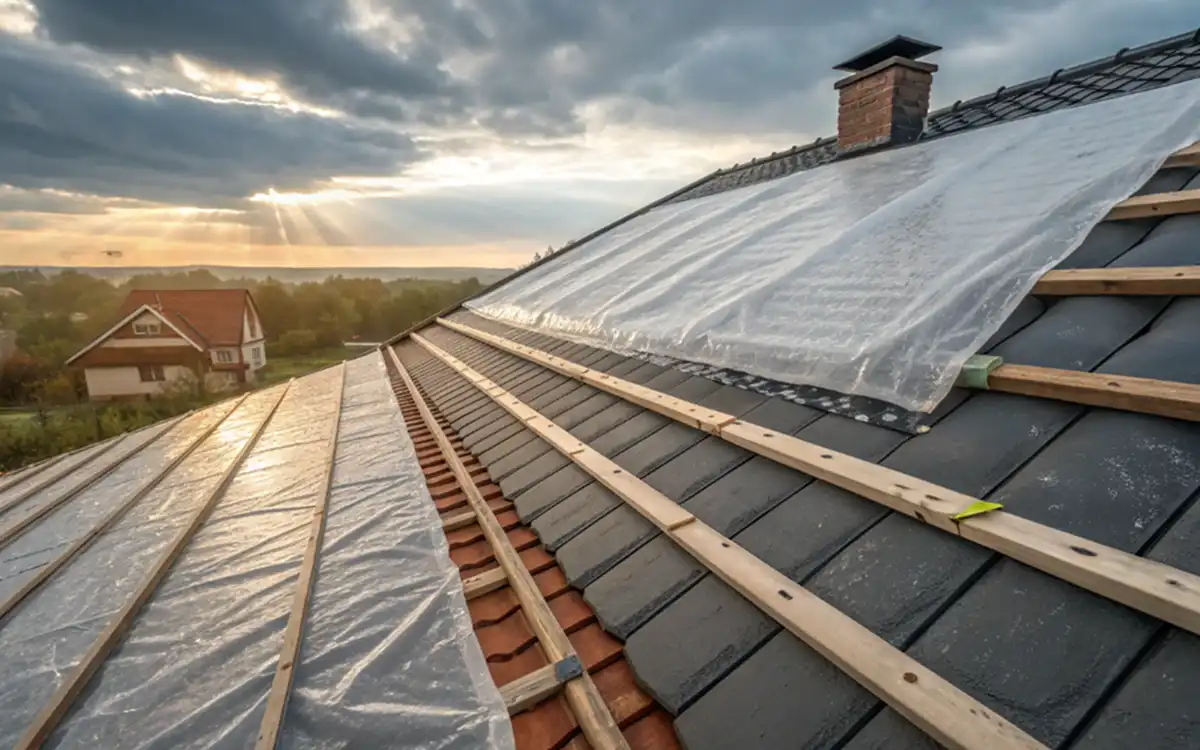
This is due to the fact that not using the best underlayment is a main cause of systems failing and forcing contractors to return to a job that is deemed complete.
The New Trends of 2025
The global market for roof underlayment is expected to advance in the same way as the increase in energy-efficient and sustainable construction.
The performance and environmentally friendly construction are causing the synthetic and hybrid form of underlayment to become the new replacement for felt.
Especially in sunny areas, more new homes come equipped with solar-ready underlayment, “cool roof” systems, and UV protective barriers.
Conclusion
Roof underlayment is often ignored yet is the most important part of your roof as it provides unrivaled protection, energy efficiency, and comfort. Moving forward into 2025 and the years to come, quality roof underlayment should be your go to investment to protect your home from extreme weather, surprise leaks, and costly roof repairs.
Continue to expect high quality innovative underlayment to be the shield of every roof, as it is the quiet guardian of the most dependable roofs.
For More Roof Repair and Maintenance Visit Classic Roofing Restoration Page


