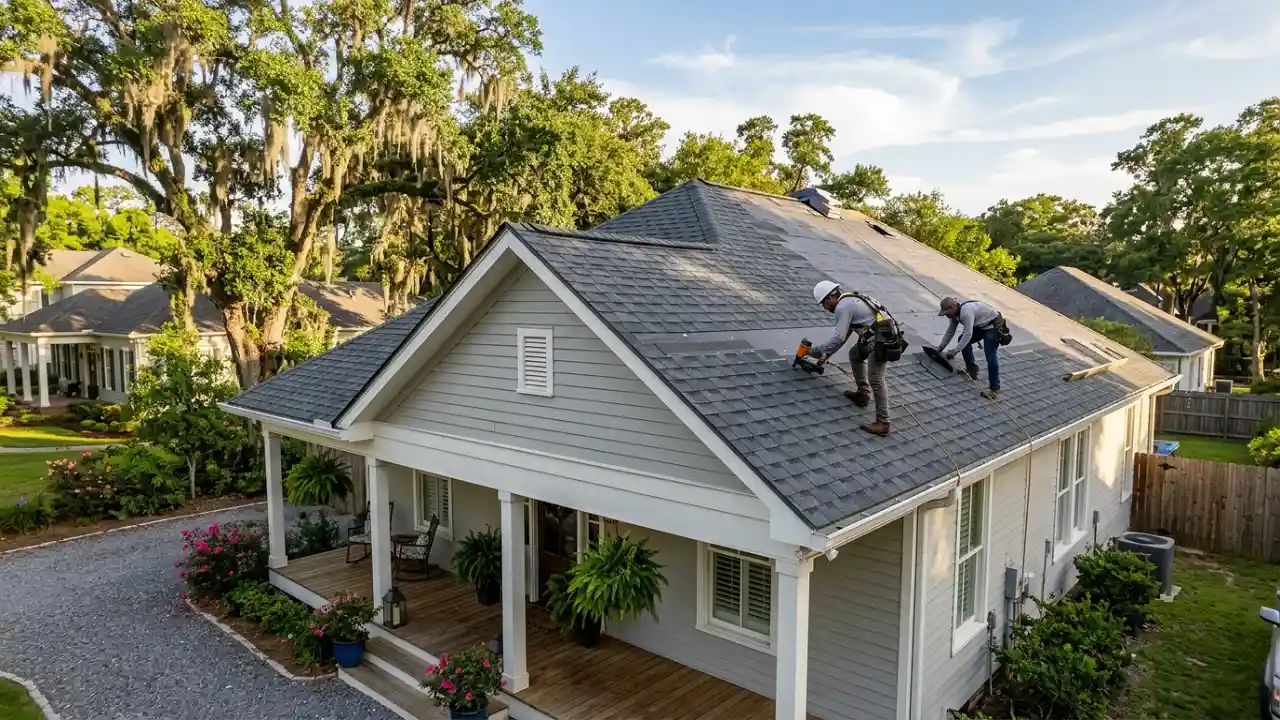
Introduction
Smoke Alarm Chirpingmake beeping sounds, and this can be annoying especially when this happens during silent times of the night.
While you may be tempted to ignore the chirps, to take the batteries out, or to put the batteries, it means that you need to take a few more steps, especially in the case of a roof. The beeping, the possible electrical fire, and the overhang roof problem.
Understanding Smoke Alarm Chirping
Smoke alarm chirping means a computer section of the alarm is malfunctioning which is a high high pitched beeping at the interval of 30-60 seconds.
This means the alarm is not functioning properly. Unlike the alarm that signals a fire or smoke which is constant, this is more of a problem warning beep. There will be no extensive problem to the home at this point.
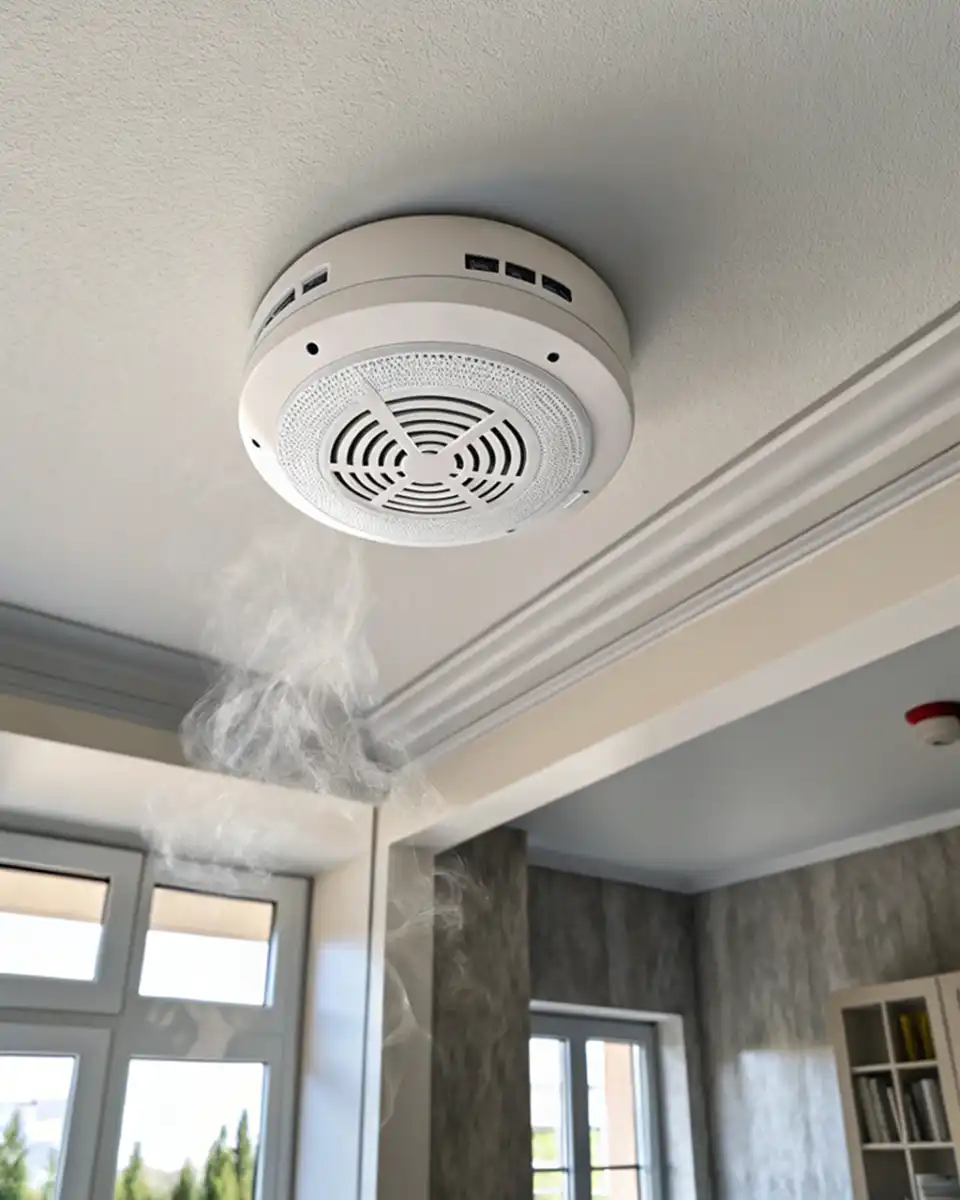
Common Causes of Smoke Alarm Chirping
- Low Battery: the most common cause of beeping is a low battery. Smoke alarms are designed to beep when the battery is low, then makes a is continual chirping when the battery is dead.
- Dust and Debris: dust can also accumulate and cause disruptions to the alarm causing beeps.
- Improper Installation: Loose batteries, bad electrical connections or empty spaces in the case. This means the alarm will not get constant voltage.
- Environmental Factors: The design of a roof can heavily impact how humidity, sunlight, and temperature changes effect alarm behavior.
- Aging and Malfunction: Older detectors (about 10 years old) begin to chirp as the parts wear out and signal for roof replacement.
- Electrical Issues: Tripped breakers and power surges cause alarms to chirp too, especially if moisture in leaking roofs affects the wiring.
How Smoke Alarm Chirping Connects to Roof Health
Chirping smoke alarms signal roof concerns that could impact the safety systems in your home. Poor smoke alarm insulation, roof leaks, and changing weather can create a false environment causing smoke alarms to false alarm and chirp.
Reasons Roof Problems Cause Smoke Alarm Chirpingto Beep
- Leaky Roofs:If moisture seeps through thin gaps, it can get to wiring or bases for the alerted devices, causing electrical shorts and leak beeping sounds.
- Poor Insulation:If it’s extremely hot or very cold inside, the batteries may get affected. It is hot during the day and cold at night which means the inside will get cold.
- Broken Roof Structure:If the roof is sagging or the rafters are broken, dust and debris can get in to the space where you live. This can accumulate inside the detectors.
How Roof Design Affects Smoke Alarms
There are different styles of roofs. Some can create weather conditions that cause smoke detectors to beep. Here are five favorites: Roof Work, hip roofs, overhang roof, patio roof idea, and gambrel roof.

Roof Design and Its Influence on Indoor Environment
| Roof Style | Potential Impact on Alarms | Risk of Chirping | Maintenance Tip |
| Hip Roofs | Even ventilation, less dust | Low | Inspect edges annually |
| Overhang Roof | Shade protects from sunlight | Low | Clean gutters quarterly |
| Patio Roof Idea | Exposed to outdoor elements | Medium | Check for leaks every spring |
| Gambrel Roof | High attic space, dust settling | Medium | Sweep attic monthly |
| Roof Work | Dependent on quality, may vary | Variable | Professional inspection every year |
How to Stop Smoke Alarm Chirping
Troubleshooting smoke alarms will soon be simplified even more for the 2025 updated smoke alarms. For now, try the following:
- Replace the battery: Alarms and detectors take 9V or lithium AA batteries, be sure to use fresh, approved batteries.
- Clean the detector: Give the alarm’s sensor chamber a gentle vacuum to eliminate dust, or wipe it.
- Check and align battery position: Ensure the battery is placed and seated properly in its slot.
- Reset the device: For 15 seconds, hold the test button down to clear battery voltages and residual energies.
- Inspect the roof for leaks: Roof repairs may be on hold if you see significant moisture or condensation around the smoke alarms.
- Replace the smoke alarms: If they continue to chirp after these attempts, and it’s been longer than 10 years, just replace it.
Latest 2025 Update Release
Latest technology includes smoke detectors that incorporate “heartbeat” technology to monitor critical functions for battery and sensor faults. These smart detectors enable accurate monitoring to eliminate annoying false beeps to provide maximum fire safety. New detectors have dust-proof sensor chambers, and easy to read status indicators.
Proactive Roof Maintenance to Prevent Alarm Issues
An efficient roof will also eliminate the potential for leaks and drafts to help keep electrical systems, including alarms, running reliably.
- Here’s what you can do:
Get a professional inspection annual: yearly, a cktervisits can keep you alert to any wear and tears.
Clean attics: above ceilings can trap dust and debris that enter alarms.
Seal Leaks: water entering can cause damage to smoke alarms and wiring, so address it.
Ventilation: well Ventilated roofs IS, N renew annually.
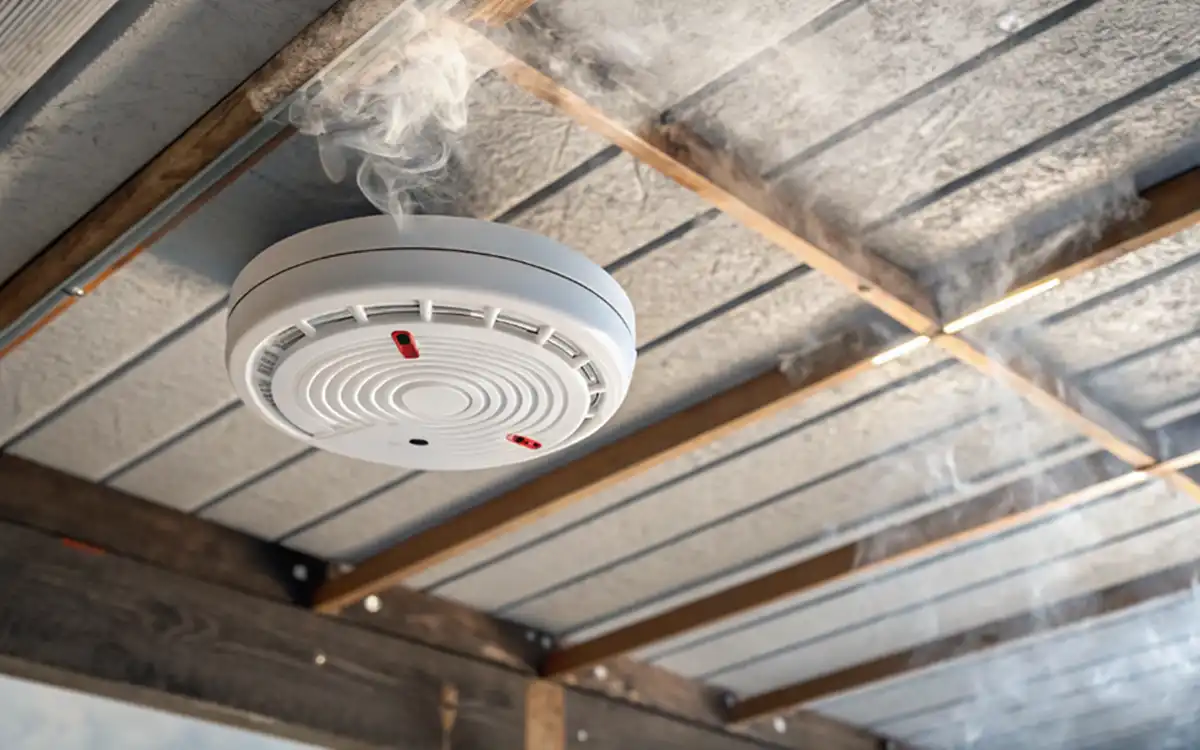
FAQs
- Will a smoke alarm eventually stop chirping?
- Chirping smoke alarms will stop eventually, but the smoke alarm will leave you unprotected from potential fire hazards.
- Is it safe to ignore chirping if there’s no smoke present?
- No, it is not safe to ignore the chirping. It can be a signal that the system may be failing, there is an environmental issue, or the battery is empty. The cause should be investigated and resolved.
Conclusion
Chirping Smoke Alarm Chirpingis a warning signal that should be resolved immediately, a failing battery, dust buildup, internal malfunction, or even larger environmental problems that may be associated with the condition of your roof.
Using the 2025 strategies to troubleshoot, clean, and provide positive roof maintenance will help homeowners solve the problems associated with roof chirping to protect families.
Do not ignore the smart smoke alarms, and always listen to what your roof is telling you, and what your smoke alarm is telling you!
For More Roof Repair and Maintenance Visit Classic Roofing Restoration Page