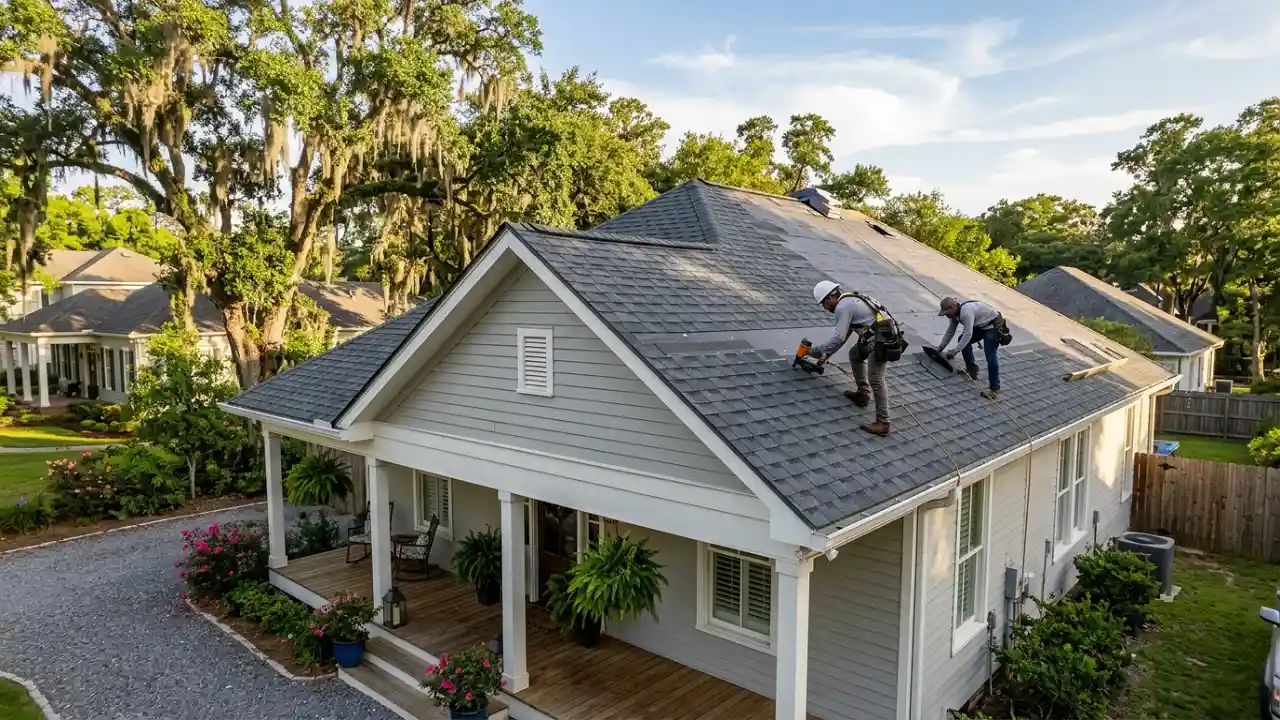
When inspecting a home’s exterior, you might notice a horizontal board running along the lower edge of the roofline—the fascia board. While this might seem like just a simple trim piece, fascia plays a crucial role in both the aesthetics and functionality of your home’s roofing system. This article explores what fascia is, why it’s essential, the materials used, maintenance tips, and how fascia contributes to protecting your house.
What is Fascia on a House?
Fascia is the horizontal board that runs at the lower edge of your roof, where the roof’s rafters or trusses meet the exterior walls of your home. It effectively caps the ends of the roof rafters, creating a neat, finished appearance for the roofline. The fascia board also provides the essential place to attach things like gutters and soffits.
Typically, fascia is installed along the entire perimeter where the roof extends out over the walls (called the eaves). You can think of fascia as the “frame” of the roof edge that protects the underlying wooden structures and keeps the roofing elements securely anchored.
Main Purposes of Fascia on a House
Though fascia contributes significantly to curb appeal, its primary purpose is functional protection:
-
Protects the Roof and Home Interior: Fascia seals the roofline against weather elements like water, wind, and pests. It helps prevent moisture infiltration that can lead to wood rot and structural damage to rafters and walls.
-
Supports the Gutters: Gutters, important for directing rainwater safely away from your home’s foundation, require a strong, continuous surface for secure attachment. Fascia boards provide this mounting surface, ensuring gutters stay firmly in place without sagging or detaching.
-
Defines the Roofline Aesthetically: Fascia boards give the roof edge a clean, crisp look. Without fascia, your rafters and roofing materials would be exposed, leading to a rough, unfinished appearance on the exterior of your home.
-
Houses Soffit Installation: The soffit boards, which cover the underside of the eaves to allow ventilation under the roof, connect directly to the fascia board, making it part of a system that protects the roof’s structure.
What Materials Are Fascia Boards Made From?
Fascia boards come in various materials designed to suit different climates, budgets, and aesthetic preferences:
-
Wood: Traditional fascias are often made from wood like pine or cedar. Wood fascia offers natural beauty and can be painted or stained. However, wood requires regular upkeep to avoid rot, insect damage, and weathering.
-
PVC (Polyvinyl Chloride): PVC fascia resists rot, moisture, and insects better than wood. It is lightweight, low-maintenance, and can be factory finished in various colors.
-
Aluminum: Aluminum fascia is durable and often pre-coated for protection against corrosion and fading. Its sleek look meshes well with modern or industrial home styles.
-
Composite Materials: Made from wood fibers and plastic resins, composites mimic the look of wood but offer enhanced durability and require less maintenance.
Choosing the right material depends on your home’s architectural style, climate zone, and maintenance willingness.
Signs Your Fascia Board Needs Repair or Replacement
Ignoring damaged fascia can lead to costly structural problems over time. Look out for these signs:
-
Peeling Paint or Warping: Moisture exposure can cause the fascia to swell, crack, or peel.
-
Rot and Mold: Soft or crumbly wood, black mold stains, or a musty smell are indicators of decay.
-
Insect Damage: Wood-boring insects can deteriorate fascia; look for holes or sawdust.
-
Sagging Gutters: If gutters are pulling away or sagging, the supporting fascia may be compromised.
-
Visible Gaps or Missing Sections: Gaps can let water seep behind the fascia, risking internal damage.
Regular inspection and timely maintenance prolong fascia lifespan and prevent bigger issues.
How to Maintain and Protect Fascia Boards
Maintaining fascia is key to protecting your roof and home. Consider these tips:
-
Regular Cleaning: Remove debris, leaves, and dirt to prevent moisture buildup.
-
Repainting or Refinishing: Wood fascia should be painted or stained every few years to protect against weather.
-
Sealing Cracks and Joints: Use waterproof caulk or sealants to close gaps and prevent leaks.
-
Check Gutters Often: Ensure gutters are clear and properly attached to reduce stress on fascia.
-
Professional Inspection: Schedule roofing inspections to spot fascia problems early.
Fascia Boards and Their Impact on Curb Appeal
While function is critical, fascia boards contribute significantly to your home’s exterior appearance. A well-maintained roof enhances the roofline’s sharpness and can complement siding and trim colors, improving overall home aesthetics and increasing property value. Aluminum and PVC offer modern looks with less maintenance, while classic wooden fascia can be customized with decorative moldings for a traditional charm.
The Relationship Between Fascia, Soffit, and Gutters
Fascia is part of an integrated system with soffits and gutters that together protect your roof and home:
-
Fascia: Provides the front edge of the roof and gutter attachment.
-
Soffit: Covers the underside of the overhang, allowing air circulation to prevent condensation and mold.
-
Gutters: Collect rainwater from the roof and guide it away from the house to prevent foundation damage.
Proper installation and maintenance of all three ensure your home’s structure stays dry, healthy, and sound.
Conclusion
Understanding the role of fascia on a house is essential for homeowners and builders alike. This simple horizontal board is vital not just for achieving a crisp, finished roofline but also for protecting your home from weather, pests, and structural damage. By supporting gutters and enclosing rafters, fascia boards provide both aesthetic and practical benefits.
Choosing the right fascia material, inspecting for damage, and performing regular maintenance can extend your roof’s life and keep your home looking its best. Whether you own a historic home with wooden fascia or modern construction with vinyl or aluminum, fascia boards are indispensable elements of a well-built, secure house.