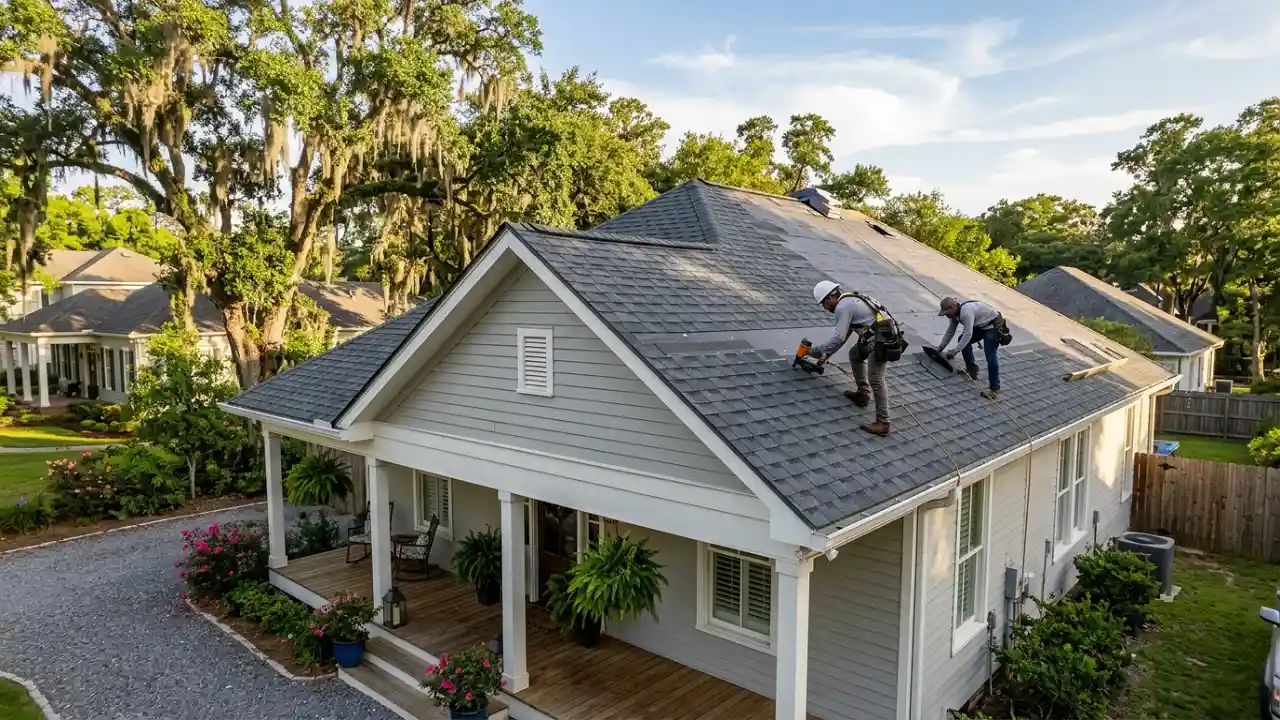
3 Tab Shingles vs Architectural is a pivotal step for homeowners to determine what type of roofing material to choose to protect their home and their investment. Asphalt shingles are one of the most popular roofing options in the industry for their cost, ease of installation, and overall performance.
However, there are two main types of asphalt shingles the 3 tab and the architectural shingles. The differences in durability and longevity in the two shingles are crucial factors in making the decision to install or replace a roof type.
This paper will discuss differences between the 3 tab shingles and architectural shingles, their advantages and disadvantages, and which of the shingles has a better longevity in relation to different conditions. We will also focus on factors affecting longevity, such as roof paint, maintenance of the house roof, and some issues like oil canning.
Defining 3 Tab Shingles vs Architectural
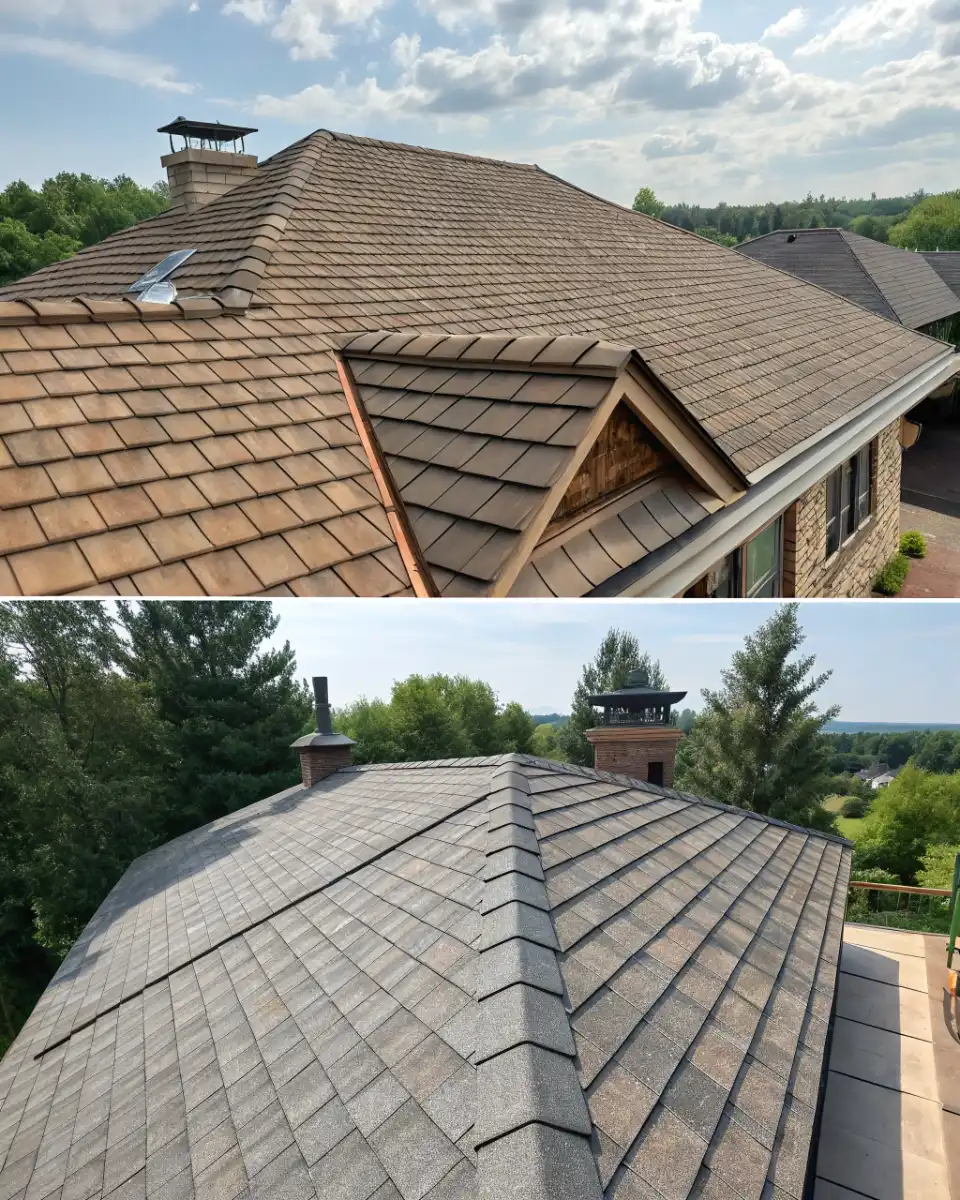
3 tab shingles are the earliest types of asphalt shingles. They are called so because each strip of shingle is cut into three tabs, creating a uniform and flat look on the roof. These are usually cheaper and thinner than architectural shingles.
- Thickness: Thin and uniform
- Appearance: Level and consistent
- Cost: Low cost
- Installation: Easy to handle and quick to put in place
3 Tab Shingles vs Architectural are a design that has been popular for many years and is historically used in homes that were built before the two thousands.
Defining Architectural Shingles
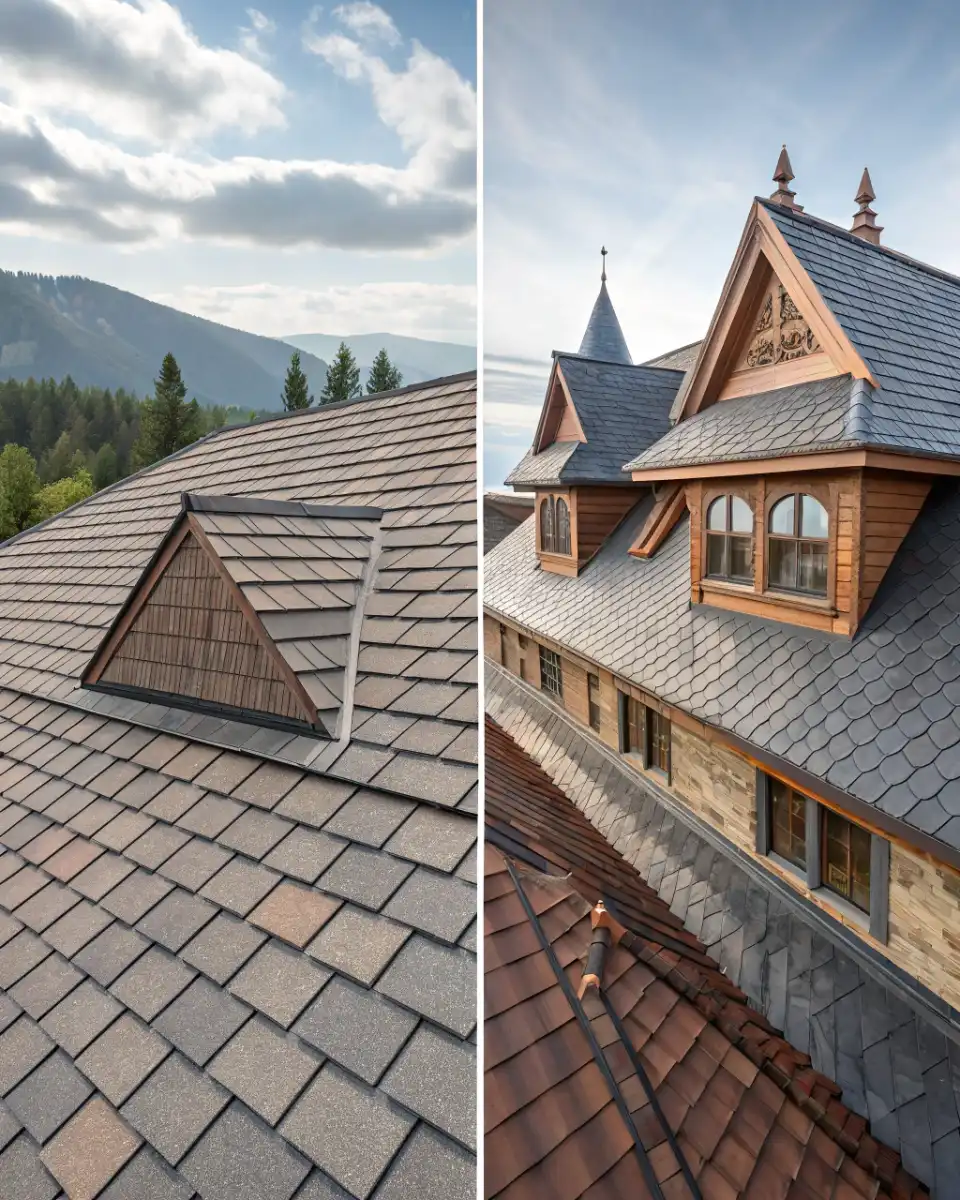
Also called laminated or dimensional shingles, they are produced in several layers of asphalt, which are melted together to create a denser material that has depth and texture, providing the richer look of the roof and a variation in detailing that is sought after to mimic wooden shakes or slate tiles.
- Thickness: More material to hold, which makes them a thicker roof covering
- Appearance: Composite having a sloping formation that appears layered and is more dimensional in design
- Cost: More expensive
- Installation: A little more weight to add
Architectural shingles are the more common option in modern homes and are used for their design and extra strength durability.
How They Compare: Durability and Lifespan
| Feature | 3 Tab Shingles | Architectural Shingles |
| Typical Lifespan | 15 to 20 years | 25 to 30 years or more |
| Resistance to Wind | Moderate, up to 60 mph | High, up to 110 mph or more |
| Impact Resistance | Basic | Excellent, thicker composition |
| Aesthetic Appeal | Flat and simple | Textured and rich |
| Cost | Lower upfront cost | Higher initial investment |
| Lightweight | Yes | Heavier |
| Maintenance Needs | Moderate | Lower, due to better durability |
| Energy Efficiency | Basic | Some enhanced options available |
The most important thing to look for is how long each of varying types of shingles is to last in comparison to external environments they are exposed to. Lifespan and characteristics of performance is where we need to start.
Lifespan Insights
Over the years, asphalt shingles deteriorate due to moisture, temperature fluctuations, and UV rays.
Due to a thin and less robust construction of 3 Tab Shingles vs Architectural, they tend to wear out quicker within a time span of 15 to 20 years. Due to thicker and more weather resistant architectural shingles, house roof are made to last more than 25 to 30 years.
Weather Resistance
Compared to 3 tab shingles, architectural shingles have a better resistance to high winds and hail.
For example, architectural shingles have a rating that withstands winds exceeding 100 mph, 3 tab shingles whose resistance only goes up to 60 mph. This rating makes architectural shingles a better option in storm and extreme weather prone areas.
How Roof Paint and Maintenance Affect Shingle Life
Reflective coatings and roof paint helps to slightly extend the life of shingles by reducing heat absorption and UV damage. Roof paint is rarely needed, but it may help older 3 tab roofs that are more vulnerable to cracking and curling.
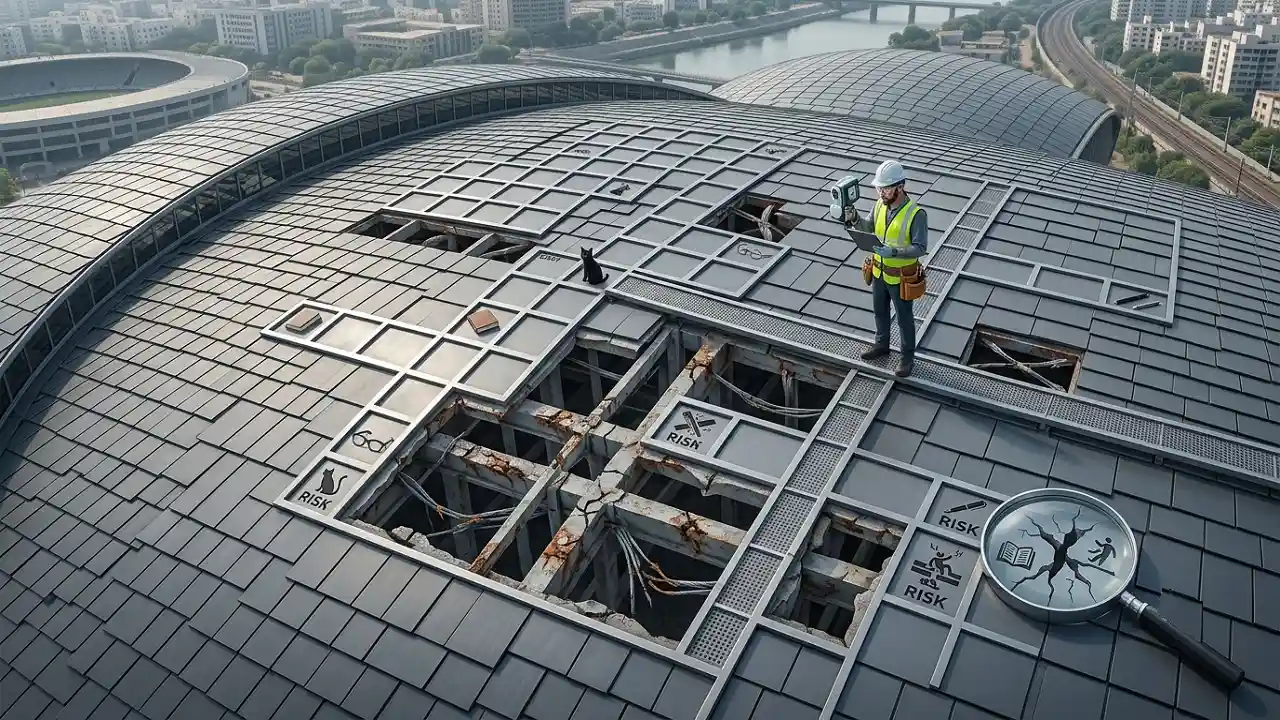
Taking care of your roof annually is very important in order to prolong its longevity. Getting rid of the debris built up on it, inspecting shingles to see if any are damaged or loose, and checking if the attic ventilation is working can help.
This type of maintenance can help eliminate signs of aging, algae, and water damage. It is critical to ensure the roof is kept in good condition to avoid shingles failing early, regardless of its type.
What Is Oil Canning and Does It Affect Asphalt Shingles?
Oil canning is the visible waviness or distortion, and it is usually found on metal roofs or panels, as opposed to asphalt shingles.
It is, however, possible for architectural shingles to have metal components and for those shingles to have design elements that contain some very mild waviness that can get confused for oil canning.
For asphalt shingles, the oil canning problem is mild in comparison to other visual problems that are more prevalent, with the most serious being curling, cracking, or the loss of granules. Shingles needing replacement due to these problems can be avoided with proper installation and ventilation in the attic.
Cost Considerations: Upfront Cost vs Longevity
Taking into consideration that 3 Tab Shingles vs Architectural are the cheapest option, being 20 40% less expensive than architectural shingles, that is a key factor in many homeowners decision on what to choose, especially if they are on a tighter budget.
That being said, architectural shingles can be a better value in the long run as they are more airtight and can last quite a bit longer than 3 tab shingles, as ones with architectural design on top of the shingles can be more durable.
This means that roofing diverse will be needed less frequently, lessening the overall cost. When a budget is being implemented, the immediate cost and the long term cost should both be factored in.

Differences Between Environment and Energy Efficiency
The most recent architectural shingles have options and features for increased energy efficiency, such as sunlight reflecting granules that decrease heat retention, thereby reducing air conditioning costs and maintaining a colder temperature in the house. In contrast, 3 tab shingles tend to have these features absent.
Roofing the house or applying reflective coatings on either option will increase energy efficiency, albeit architectural shingles with advanced coatings will optimally perform.
Differences in Installation and Warranty
Architectural shingles’ heavier weight and increased thickness means that installing. Them may take a longer time and requires hiring experienced roofers, compared to 3 tab shingles.
On the other hand, architectural shingles have longer and more comprehensive warranties. Their coverage ranges from 30 to 50 years, in contrast to 3 Tab Shingles vs Architectural, which only offers a coverage of around 15 to 20 years.
For both options, hiring professionals is essential to guarantee appropriate installation. Which includes proper sealing, alignment, and ventilation, as these factors determine the shingle’s lifespan.
Final Verdict: Which Lasts Longer?
When analyzing the lifespan of 3 tab shingles compared to architectural shingles, there is a notable difference in lifespan. Architectural shingles have a significantly longer lifespan and is more durable to the factors of high winds, various weather conditions, and impacts.
Also, architectural shingles are more aesthetically pleasing, which is a bonus considering the warranties. Energy efficiency options are more favorable than 3 Tab Shingles vs Architectural.
Three tab shingles would be more appropriate for homes in milder climates. Restricted financial resources, albeit requiring an upkeep and replacement more often.
However, for homeowners looking for a more pragmatic long term investment. Quality longevity and lower maintenance, architectural shingles would be more suitable.
For More Roof Repair and Maintenance Visit Classic Roofing Restoration Page