Wavy or rippling issues are common amongst all metal roofs, especially standing seam metal roofs. Oil canning issues can help provide practical insights, improve comparison tables, and discuss prevention issues.
Additional issues such as roof paint, and concerns contractors ought to resolve, which items are typically addressed during roofing and roof-related repairs.
Defining Oil Canning in Metal Roofs
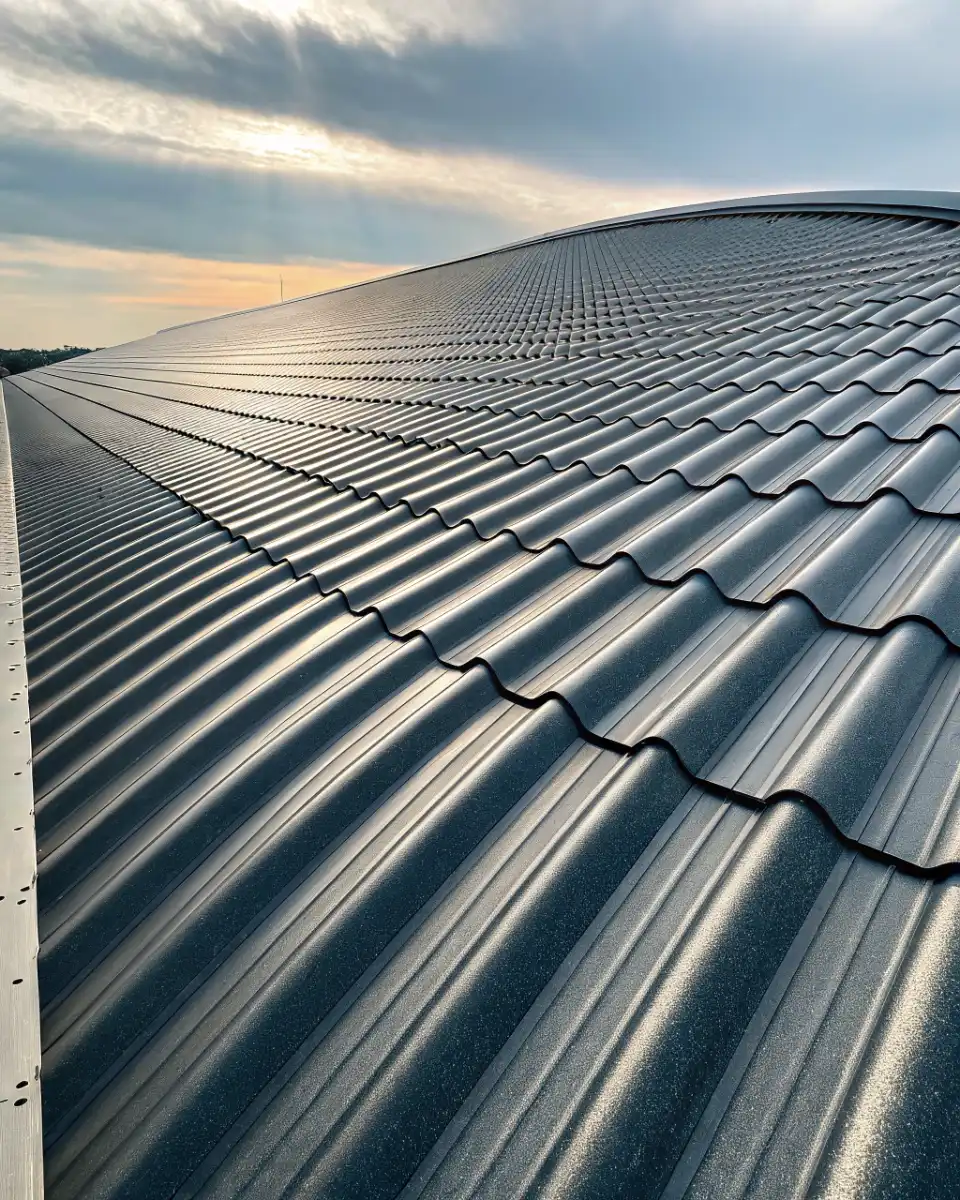
Oil canning is simply a phenomenon whereby a panel metal roof, which is consolidated smooth and flat, exhibits a distortion or wavy effect, producing a variation in surface evenness.
This indentation is a bubbling or wave phenomenon, which can best be described, as produced by some internal stress. While this does not generally have any structural damage, or function issues to the roof, most contractors tend to hate it, and it does change some homeowner’s opinions, as it can be seen.
It is most common to notice this effect on standing seam metal roofs, though it’s not generally observed on screw down metal roofs which have different issues as a result of operating a different design, (more ribbing and fasteners).
Causes of oil canning in roofs
In the manufacturing, installation, and environmental surrounding a roof, oil canning can be the product of a number of factors:
- Manufacturing Extremes: metal roof panels go through a number of processes such as rolling and shaping. If the metal is still in a stress capable of high manufacturing limits it can go through irreversible damage.
- Waviness Induced Through the Roof Structure: stresses can be created from uneven decking or shifts in the roof’s underside.
- Installation Not Done Right: Proper roof work must be done by avoiding over-tightening fasteners, twisting panels, or incorrect fastening angles. All of this can cause tension that leads to oil canning.
- Thermal Restriction and Movement: Whenever the temperature changes, metal is required to expand and contract, but when its movement is thermally restricted this can cause visible stress to build up.
- Panel Width: Wider metal panels will be more susceptible to oil canning than narrower ones.
Solutions to Oil Canning
Because of the metal panels physical properties, oil canning is a challenge for design, it is largely considered the most soft and aesthetic challenge of roof design. This can entail:
- Restoring panels: In a number of cases, as a last resort, the only remedy may be to replace the damaged panels.
- Restoring Internal (Structure) Supports: Internal tensioning may, in some wall panel systems, reduce the amount of waviness present.
- Restoring Accepting It as an Aesthetic Product: Because oil canning is purely an aesthetic product, it is something that many property owners accept.
- A possible repair for metal roofs with oil canning is long overdue, as no fast remodel procedures for its repair exist.
- Minimizing oil canning is largely a factor of mitigation, especially during the construction phase/ Roof Repair Contractors
- Striated Panels: Panels with striations or ribbing. This decreases the flat surface expance, increasing rigidity and less waviness.
- Roof Repair Contracters: Mitigating stress during fastening sequence is important and can be achieved with proper installation techniques by experienced professionals.
The hole being fastened should be dimensioned properly, and avoid overtightening or angling fasteners, as this will lead to a loss of structural rigidity with possibly catastrophic consequences.
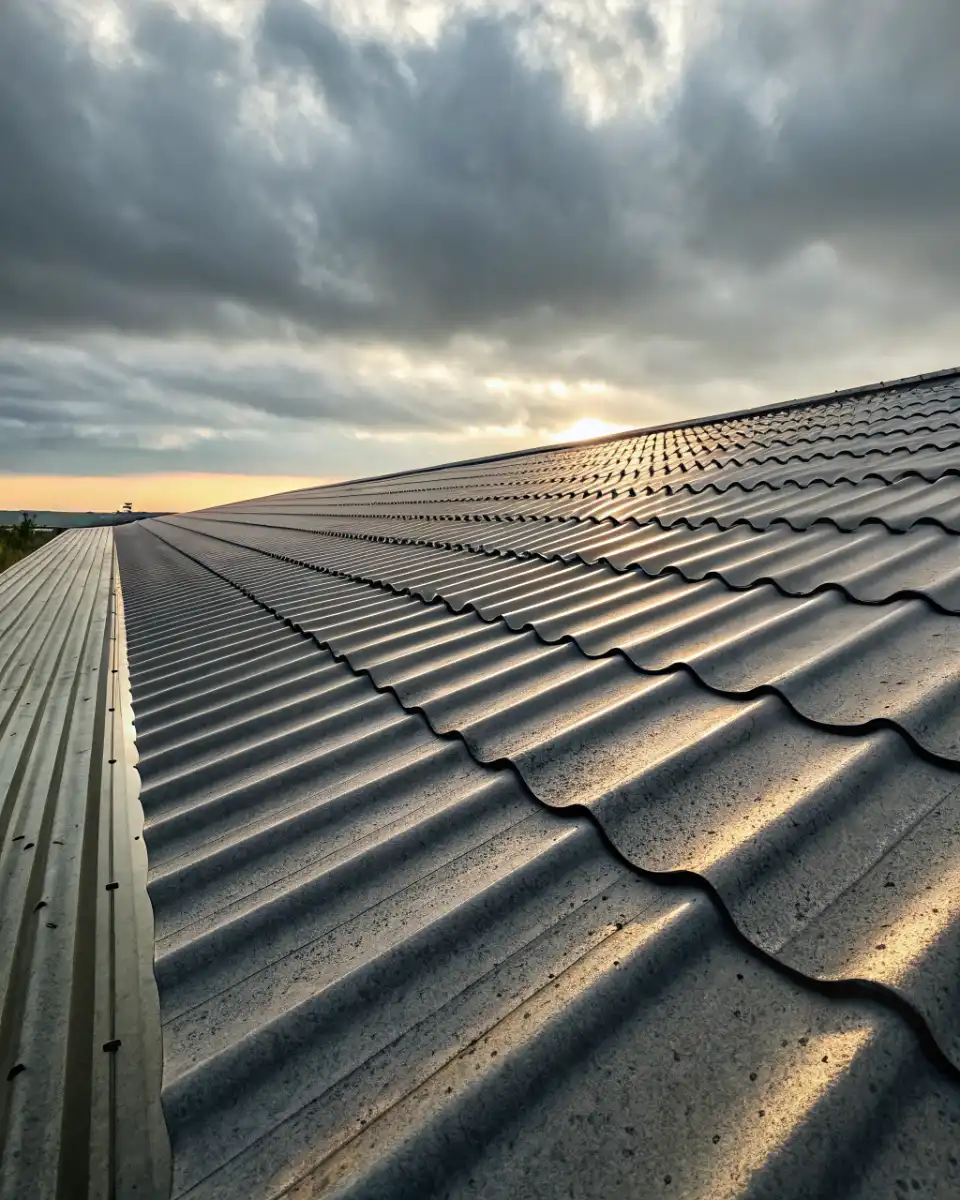
An Even Roof Deck: ensures no further panel exert stress
Panel width also required caution, since narrow ones are less susceptible to oil can than roof panels.
Other considerations
- Gambrel Roofs: This style, typical for use in barns or homes, also brings some particularities for metal roofing. Complexity of angles can lead to increased attention required during installation to avoid oil caning.
- Roof Paint: If oil canning is present, the waviness is intrinsic, and roof paint, although it may enhance the appearance of the roof, does not fix this.
- Roof Failure: Although oil canning is visible and affects the aesthetics, it does not, in general, bring any roof failure or reduce the lifespan of the roof.
Most Common Causes, Effects and Solutions of Oil Canning
| Aspect | Description | Impact | Solution/Prevention |
| Manufacturing Stress | Residual metal stress from rolling process | Visible waviness on panels | Choose high-quality panels |
| Roof Structure | Uneven or shifting decking | Panel distortion and waviness | Level roof deck, professional work |
| Installation Errors | Over-tightening, twisting, wrong fasteners | Internal tension, rippling | Experienced contractors, proper fastening |
| Thermal Expansion | Metal expands/contracts with temperature | Stress buildup on panels | Striated panels, proper design |
| Panel Width | Wider panels prone to waviness | More visible oil canning | Use narrower panels, ribbed designs |
This table provides the key factors and potential resolutions of oil canning, enabling property owners and contractors to tackle the issue most effectively.
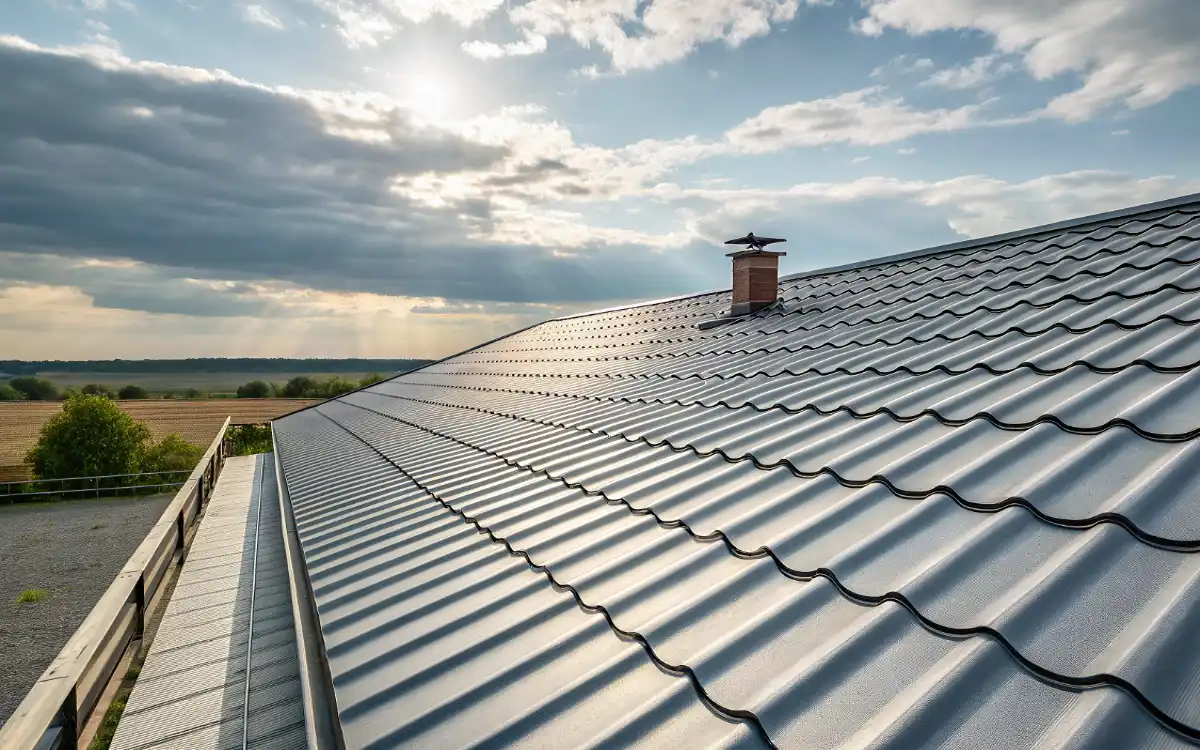
Coping with oil canning is one of the challenges experienced with metal roofing systems; however, with the appropriate design, installation and maintenance, it is possible to have an oil canning problem with an attractive long lasting metal roof systems.
For More Roof Repair and Maintenance Visit Classic Roofing Restoration Page