Introduction
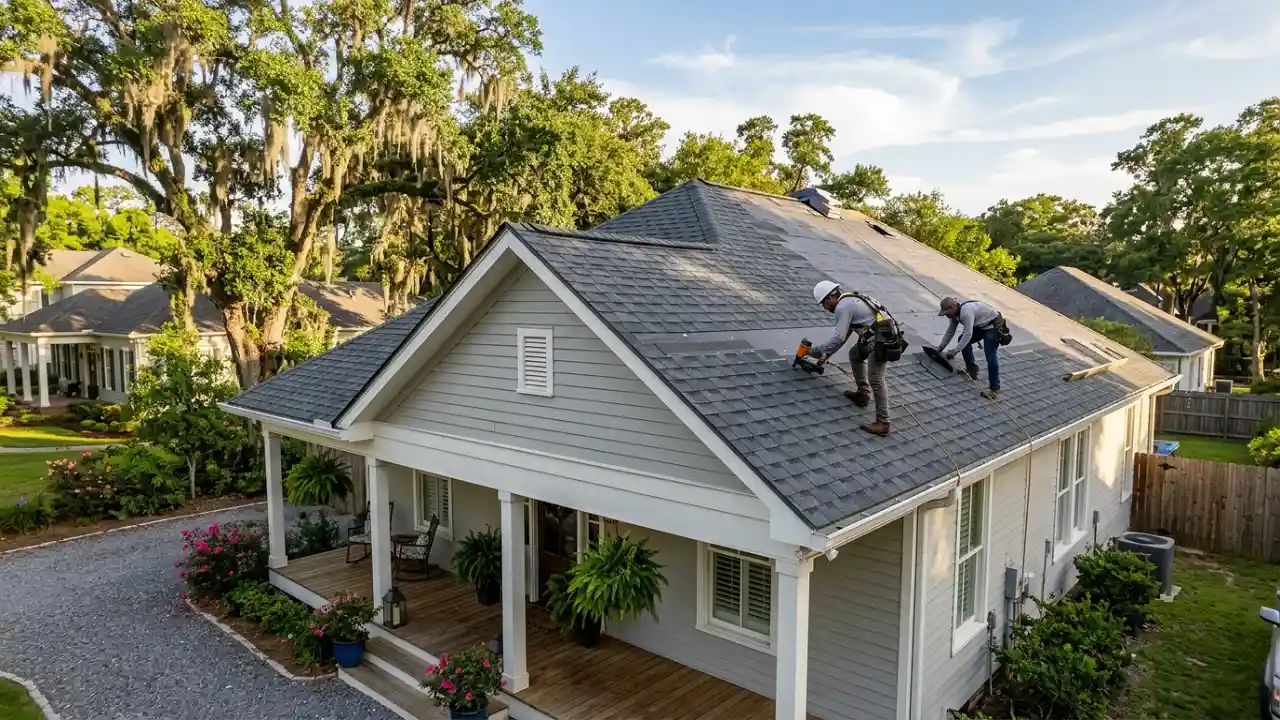
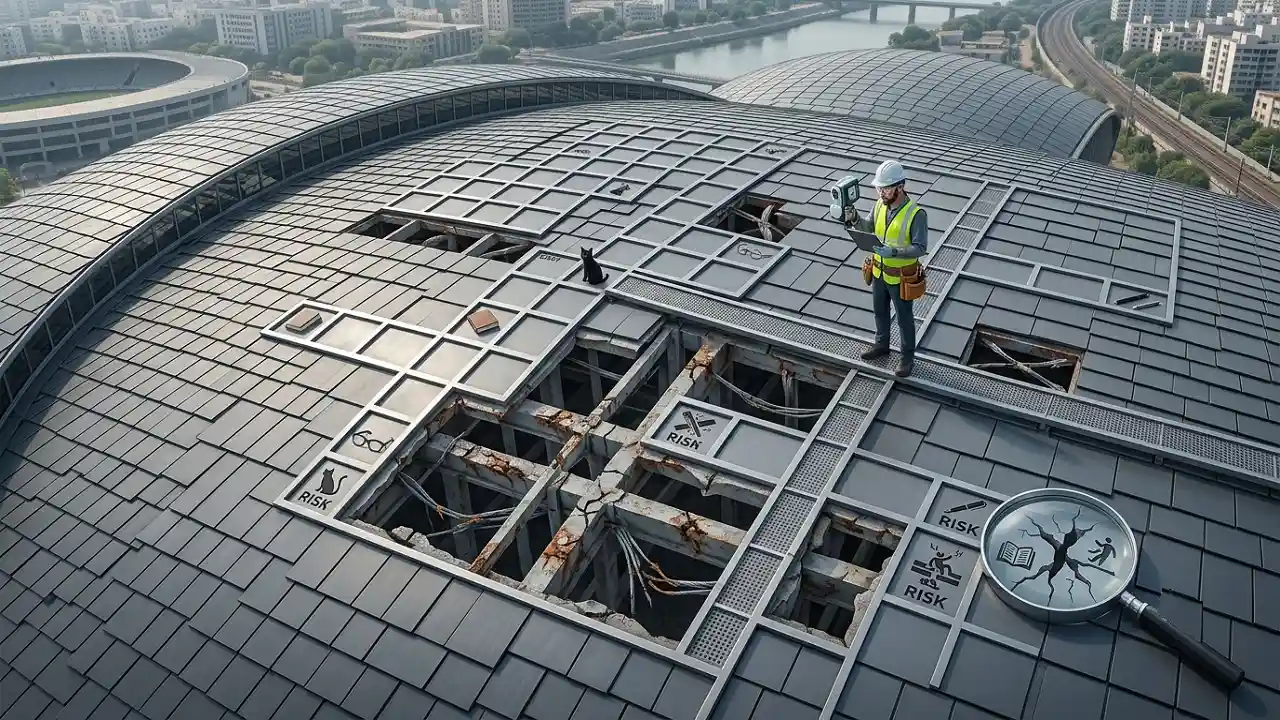
Repairing roofs where damage is concealed under layers of shingles or insulation is difficult. In situations where damage is visible or there is a leak, it is easier to find and fix problems.
Through new technologies and step-by-step diagnostic processes, Roof Repair Contractors can identify problems that may result in severe roof failure.
Data driven problem solving is employed, utilizing an array of technologies from moisture meters, thermal imaging and augmented-reality applications to AI powered drones, these experts meet their most challenging assignments.
The Importance of Early Detection
Not all roof damage is easy to see, such as cracked tiles, loose shingles, and hidden leaks, Roof Work can cause severe issues.

Without rapid intervention, hidden leaks may cause mold, wood rot, and even structural collapse.
- Minor problems that incur low costs can escalate to high cost repairs.
- Qualified Roof Repair Contractors provides regular inspections to maintain the structural integrity of your house or business.
- Especially, in older buildings, severe weather, and high risk areas, roof repairs maintain safety, property value, and prevent failure.
Latest 2025 Diagnostic Technologies
AI-Powered Drone Inspections
In 2025, AI-powered drones will make roof inspections faster, safer, and much more accurate.
- High-definition drones capture photographs and video footage from every conceivable angle, even from Steephill slopes, gable designs, and other areas that pose a danger or are hard to access.
- Drones are now able to obtain over 98% accuracy for general inspections and diagnose problems that are deep within the roof structure like lifted shingles and even small cracks.
- They also provide scans that discern temperature variances, identifying leaking and moisture that will differ within the structure.
- The AI study of images and videos captures patterns that indicate wear, damage, and risk that might not be clearly visible to the eye.
SMART SENSORS and IOT
Contemporary roof repair contractors are now using IOT sensors that provide a dashboard with real-time changes and disparities of a roof structure temperature, humidity and moisture content.
These sensors eliminate the guess work and increase predictive and automated scheduling to avoid roof repair emergencies.
Sensors now also document changes at the microscopic level.
Data integration with predictive weather monitoring systems provides a storm damage warning and weather updates 72 hours in advance.
Thermal Imaging and Moisture Meters
Moisture meters and thermal imaging devices provide roof repair contractors with the necessary tools to track water damage and mold growth that are hidden beneath the roof.
They are locating and diagnosing leaks and trapped moisture without having to remove the roof.
Moisture meters determine water content in roof materials so as to pinpoint potential areas for decay.
Moisture meters work alongside thermal imaging to provide comprehensive and damage assessments after harsh weather.
Augmented Reality (AR) Inspection Apps
AR apps provide layer after layer diagnostic data onto live images of the roof and generate visual routing for contractors.

This aids in documentations of damage for more precise repair plans and cost estimation. It enables more real-time collaboration along the Roof Repair Contractors and the customers.
Common Types of Hidden Roof Damage
Roof Repair Contractors are skilled in recognizing more damage than the average homeowner and here are the common concealed issues.
| Step | Method/Tools | Purpose | Example issues detected |
| 1. Initial Assessment | Visual inspection | Spot obvious surface damage | Missing shingles, debris |
| 2. Drone Surveillance | AI-powered drones | Capture detailed roof images | Cracks, lifted shingles, leaks |
| 3. Sensor Analysis | IoT smart sensors | Monitor for stress, moisture | Weak spots, humidity spikes |
| 4. Thermal Scans | Thermal imaging cameras | Locate temperature changes | Leaks, insulation flaws |
| 5. Moisture Testing | Moisture meters | Measure water content | Damp spots, mold-prone areas |
| 6. AR Mapping | AR inspection apps | Create 3D damage maps | Document hidden structural flaws |
| 7. Drainage Check | Gutter/flashings inspection | Prevent future leaks/failure | Blockages, improper flow |
| 8. Report Generation | Digital records, photos | Share findings for repairs | Insurance support, planning |
Roof layer water leaks after storms
Loose, cracked, and curled shingles that are not visible from the ground.
- Rusted and separated flashing around chimneys and vent.
- Moss and mold growth concealed beneath overlaying roofs.
- Hail and wind damage that requires close inspection to identify.
- Poor drainage that leads to stagnant water and weakening deterioration over time.
- Unqualified roof installers that perform work to only have a early failure.
- Below is a table summarizing the main steps Roof Repair Contractors follow when diagnosing hidden roof damage.
Best Practices for 2025
Roof Repair Contractors focus on:
- Engage in warranty-voiding risk mitigation through the use of manufacturer-approved installation methods for roof materials.
- By conducting active preventative maintenance, inspections, cleaning, and repairs, the chances of risk reduction become more realistic.
- Staff members must become proficient in safety and technology use and in dealing with the seasonal obstacles presented by winter and rainy weather.
- Insurance contracts must be supported by documented maintenance processes, and evidence must be documented to safely keep your clients.
- Advise clients to refrain from attempt-overs for faulty robust diagnostics and repairs and recommend professional services instead, as these tend to be more successful.

When to Reach Out for Roof Repair
Reach out for Roof Repair if you notice the following:
- Ceiling and wall sexually unexplained stains
- Missing shingles, damaged, curled or patches of shingles
- Drip leaks, block drainages
Shrink and sag
- Storm-warped roof patches
- Gutters and downspouts loose
- Recent heavy storms in your area
- Gutters or downspouts failing to drain properly.
- Gutters/downspouts failing to drain properly. Numbered slid,text, and images.
The Benefits of Advanced Technology
Advanced technology streamlines and enhances:
- Accurate and swift diagnostics of roof deteriorations. Advance diagnostics.
- More rapid and documented insurance processing to mitigate losses from hidden damages.
- Problem mitigation from the risk of escalating cost to homeoweners advanced documented processing of insurance.
- Delayed roof collapse Avoidance with advanced documented
- Robust roof maintenance and collapse avoidance. Scheduled maintenance with documented risk.
- Advanced documented risk processing to homeowners.
Common Roof Terms
Common terms in roof diagnostics
- Maintenance Reworking: All activities done to maintain the …integrity of a roof.
- Roof Installers: The people responsible for installing roofing systems.
- Roof Failure: Major breakdowns requiring immediate repair to avoid
- Roof Damage: All issues arising from leaking to missing shingles and
storm damage. - Rake Roof: The slopes of the roof especially susceptible to wind and
Conclusion
Roof Repair Contractors assess and mitigate concealed roof damage with a unique blend of select craftsmanship and modern technology to maintain industry roofs.
Roof Repair Contractors use artificial intelligent inspection systems to mitigate emergent roof failure and preserve more valuable documented SMART sensors. Maintaining documented SMART sensors assures roof failure is emergent, and failure is expensive.
Repairing concealed damage increases the peace of mind and reduces the burden of each season.
For More Roof Repair and Maintenance Visit Classic Roofing Restoration Page