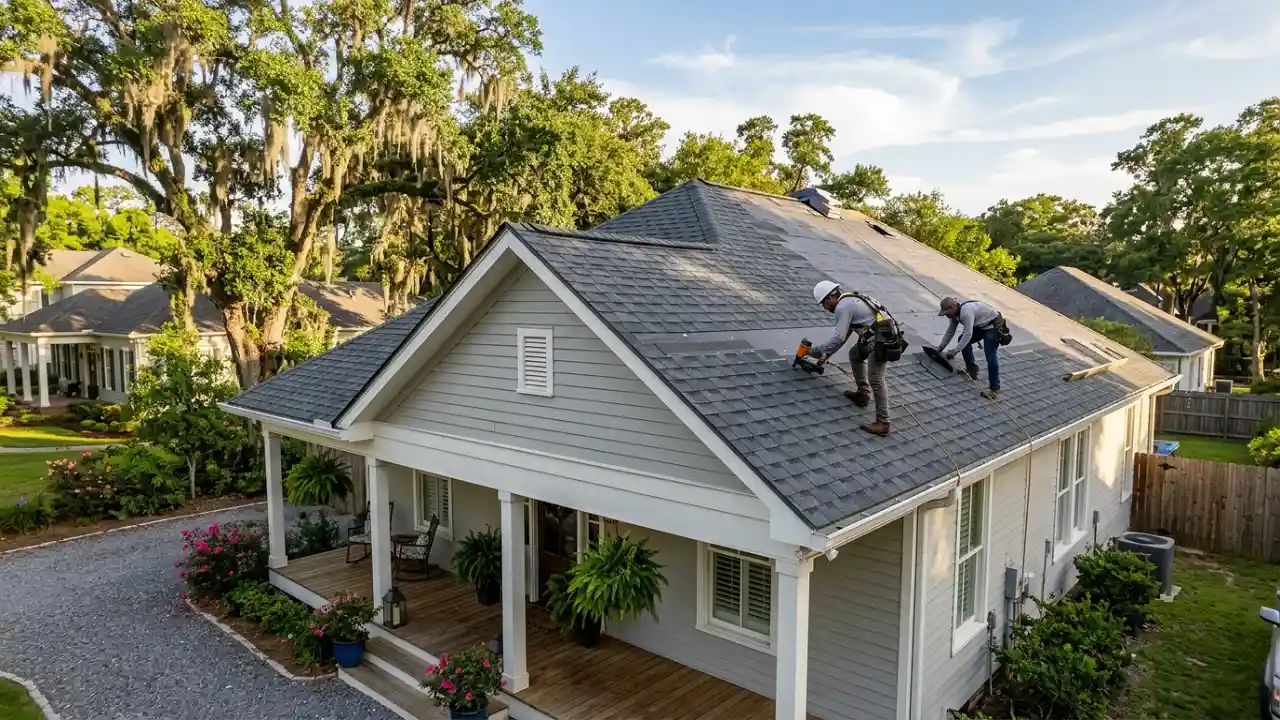
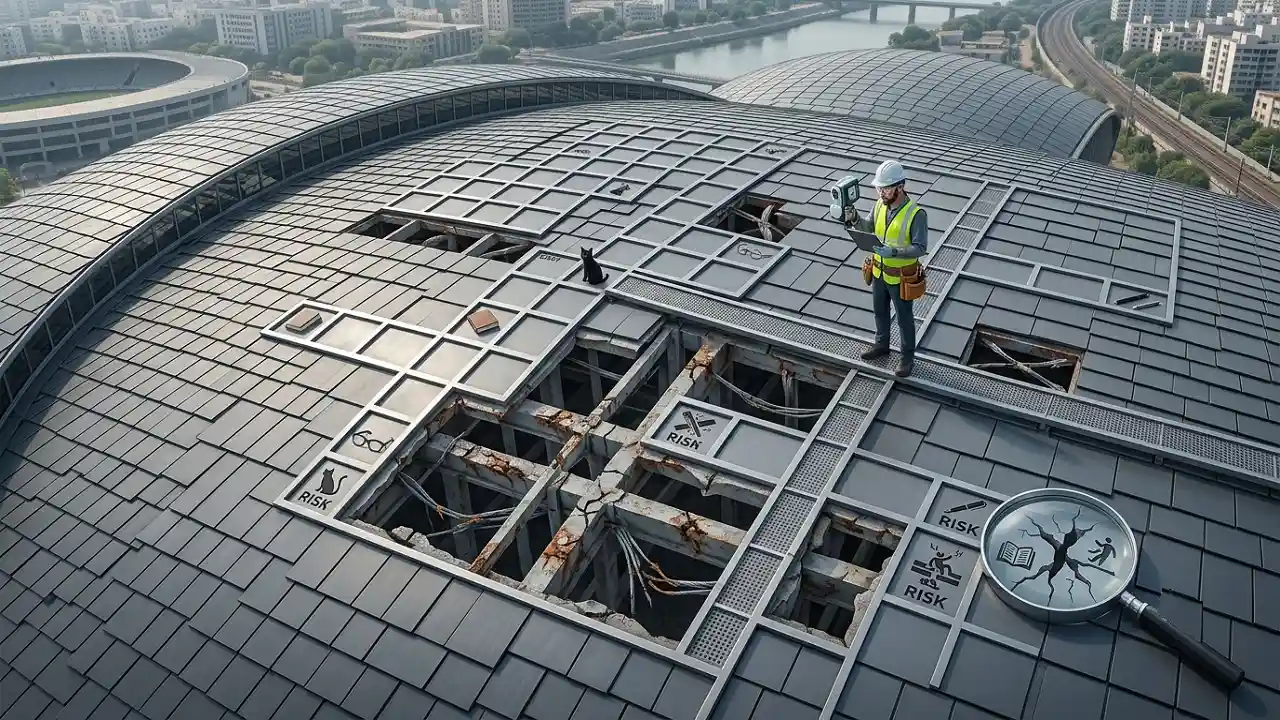
Understanding the parts of a roof is essential for homeowners, roofing professionals, and anyone interested in building maintenance or repair. A roof is not just a single surface but a complex system made up of many components working together to protect a building from weather, provide ventilation, and maintain structural stability. This article breaks down the key parts of a roof in simple terms to help you understand their functions and importance.
What is a Roof?
A roof serves as the protective covering of a building’s top, shielding it from rain, snow, wind, and sun. It consists of layers and structures that work together to provide stability and weather resistance. Roofs vary in design, materials, and complexity, but most share the same fundamental parts.
Main Structural Components of a Parts of a Roof
1. Rafters and Trusses
Rafters are sloping wooden beams that extend from the ridge (top) of the roof down to the walls of the building. They support the roof deck and give the roof its shape and pitch. Trusses are pre-fabricated triangular wooden or metal frameworks that provide the main structural support without needing individual rafters, used widely in modern construction for efficiency and strength.
2. Roof Decking (Sheathing)
Roof decking, or sheathing, is the flat surface laid over rafters or trusses. Usually made of plywood or oriented strand board (OSB), it acts as the base for roofing materials like shingles or tiles, giving the roof structure its solid foundation.
3. Underlayment
Underlayment is a thin layer of protective material installed directly over the decking. It serves as the second line of defense against water infiltration, providing waterproofing protection beneath the visible roof covering. Materials include felt or synthetic membranes.
Exterior Roof Parts
4. Roofing Material
This is the visible, outermost part of the roof that protects the building from the elements. Common materials include asphalt shingles, metal panels, slate, wood shakes, and tiles. This layer also contributes to the building’s aesthetics and energy efficiency.
5. Ridge Cap
The ridge cap covers the roof’s peak where two sloping sides meet. It protects against water intrusion and allows ventilation along the ridge line to prevent moisture buildup inside the roof.
6. Flashing
Flashing consists of thin metal strips installed around joints, chimneys, vents, skylights, and valleys. Its function is to direct water away from vulnerable seams and prevent leaks.
7. Gutters and Downspouts
Gutters collect rainwater from the roof edges and channel it through downspouts, directing it safely away from the building’s foundation to prevent water damage.
8. Fascia and Soffit
The fascia board runs along the roof edge, covering the ends of rafters and supporting gutters. The soffit is the underside of the roof’s eaves, providing ventilation that maintains airflow in the attic and prevents moisture buildup.
Roof Shape and Geometry Components
9. Valleys and Hips
Valleys are the inside angles where two roof planes meet, directing water towards gutters. Hips are the outside angles formed when two roof planes slope away from each other.
10. Rake and Eaves
The rake refers to the sloped edge of a gable roof. Eaves are the horizontal edges that extend beyond the walls to protect them from rain.
Ventilation and Insulation
11. Roof Vents
Vents allow air to circulate in the attic or roof space, preventing heat buildup and moisture issues that can damage roofing materials and the building structure.
12. Insulation
Insulation beneath the roof decking regulates indoor temperatures, saving energy and improving comfort.
Additional Roof Features
13. Chimney
Chimneys provide ventilation for fireplaces or heating systems, extending above the roofline.
14. Skylights
Skylights are windows installed in the roof for natural lighting and sometimes ventilation.
15. Drip Edge
A drip edge is a metal flashing installed along the roof edges to guide water away from underlying roofing components.
Why Knowing Roof Parts Matters
Understanding roof parts helps homeowners communicate better with roofing contractors, identify problems early, and make informed decisions about maintenance or replacement. For professionals, knowing these components ensures accurate estimates and quality installations.
Conclusion
A roof is much more than what meets the eye. It is a sophisticated system of structural elements, protective layers, and accessories designed to protect your home or building. Familiarizing yourself with the parts of a roof—from rafters and decking to flashing and gutters—can help ensure better maintenance, timely repairs, and longer roof life.
FAQs
-
What is the purpose of roof decking?
It provides a solid base for roofing materials and structural support. -
Why is flashing important?
It prevents water from penetrating joints and seams in the roof. -
How does ventilation improve roof performance?
It helps regulate temperature and moisture, preventing damage. -
What materials are common for roofing?
Asphalt shingles are most common, but metal, slate, tile, and wood are also used. -
Can I inspect my roof parts visually?
Yes, but it’s best to hire professionals for thorough inspections.