Hip roofs are a popular roofing style favored for their durability, stability, and architectural appeal. Characterized by all sides sloping downward toward the walls, they differ significantly from gable roofs by eliminating vertical walls at the ends. This detailed explanation of the hip roofs, their types, benefits, installation considerations, and maintenance tips to help homeowners, builders, and roof enthusiasts make informed decisions in 2025.
What is a Hip Roof?
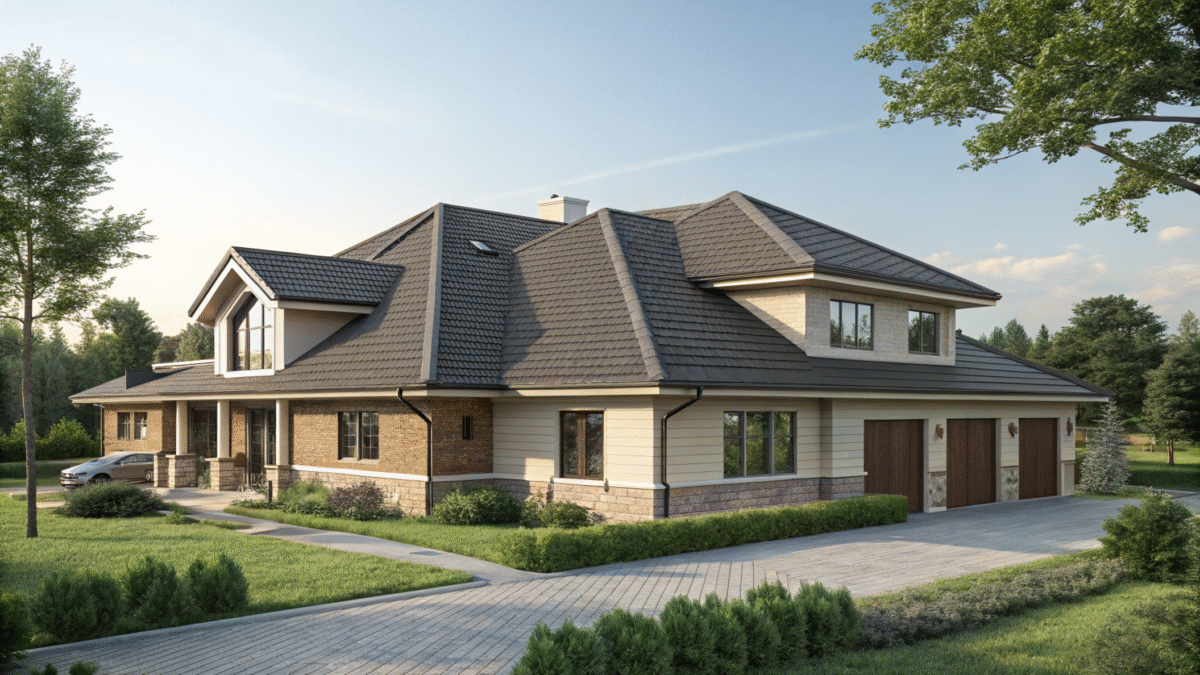
A hip roof (or hipped roof) is defined by four sloping sides that converge either at a central ridge or a single point at the top, depending on the roof’s shape. Unlike gable roofs, which have two slanted sides and vertical ends, hip roofs have no vertical walls; every side slopes downward toward the exterior walls. This continuous slope creates a pyramid-like or ridge-shaped silhouette traditionally associated with balanced aesthetics and structural soundness.
From any viewing angle around the home, you’ll see a slanted surface instead of a flat gable end, providing a cohesive, smooth appearance that complements various architectural styles—from colonial and craftsman to ranch and contemporary homes.
Types of Hip Roofs
-
Simple Hip Roof: Four sides sloping downward, typically with two longer trapezoidal sides and two shorter triangular ones when the building is rectangular. The four planes meet at a single ridge line at the top.
-
Pyramid Hip Roof: Also known as a square hip roof, all four sides are equal in length and slope inward toward a single peak point. This style is common on square-shaped homes or structures like gazebos and pavilions.
-
Cross Hip Roof: Formed when two hip roofs intersect at right angles, ideal for larger or L-shaped houses. This design can add complexity, but it increases visual interest and the roofing area.
-
Half Hip Roof (Jerkinhead): Combines features of hip and gable roofs, with a small gable at the top of each hip side, providing ventilation options while retaining some hip roof benefits.
Benefits of Hip Roofs
Structural Stability and Strength
Hip roofs’ sloping sides create a self-bracing structure that evenly distributes weight across the frame. This makes them inherently strong and durable against heavy snow loads and turbulent weather. Unlike gable roofs with large flat surfaces susceptible to wind uplift, hip roofs are aerodynamic, shedding rain and wind effectively.
Wind and Weather Resistance
Thanks to the inward slopes on all sides, hip roofs resist strong winds better than gable roofs, a reason why they are prevalent in hurricane-prone and coastal regions. Their design minimizes uplift and reduces the risk of damage during storms.
Aesthetic Appeal
Hip roofs provide a symmetrical and balanced appearance, enhancing the curb appeal of homes. The continuous slopes offer clean lines that integrate well with diverse architectural designs, from traditional to modern.
Better Eaves and Shade
Uniform eaves extending around all four sides help provide balanced shade, aiding energy efficiency by protecting walls and windows from direct sunlight and rain.
Versatility for Roof Features
Hip roofs can easily accommodate skylights, dormers, and ventilation systems without compromising structural integrity.
Installation Considerations
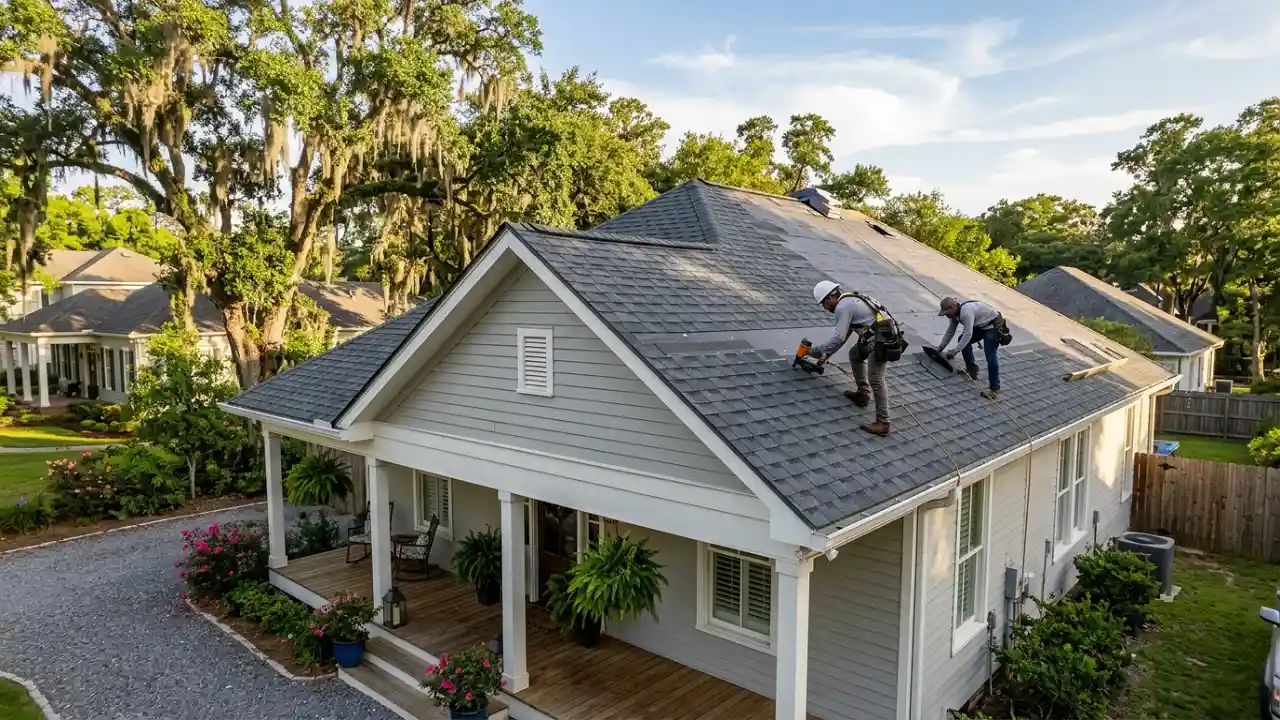
Installing a hip roof involves precise framing and carpentry skills due to the complexity of intersecting planes, hips, and valleys. Key steps include:
-
Framing the Ridge: The horizontal ridge connects roof planes, providing core support.
-
Hip Rafters: Angled rafters run diagonally from the ridge to the roof corners.
-
Jack Rafters: Smaller rafters fill the spaces between the common and hip rafters.
-
Roof Sheathing and Underlayment: Provides a waterproof base for the final roofing material.
-
Roof Covering: Choices vary—shingles, metal, tiles, or slate—all must be installed securely to conform to slopes.
Hip roof installation usually costs more than gable roofs due to material quantity and labor complexity, but results in a more resilient structure.
Maintenance Tips for Hip Roofs
-
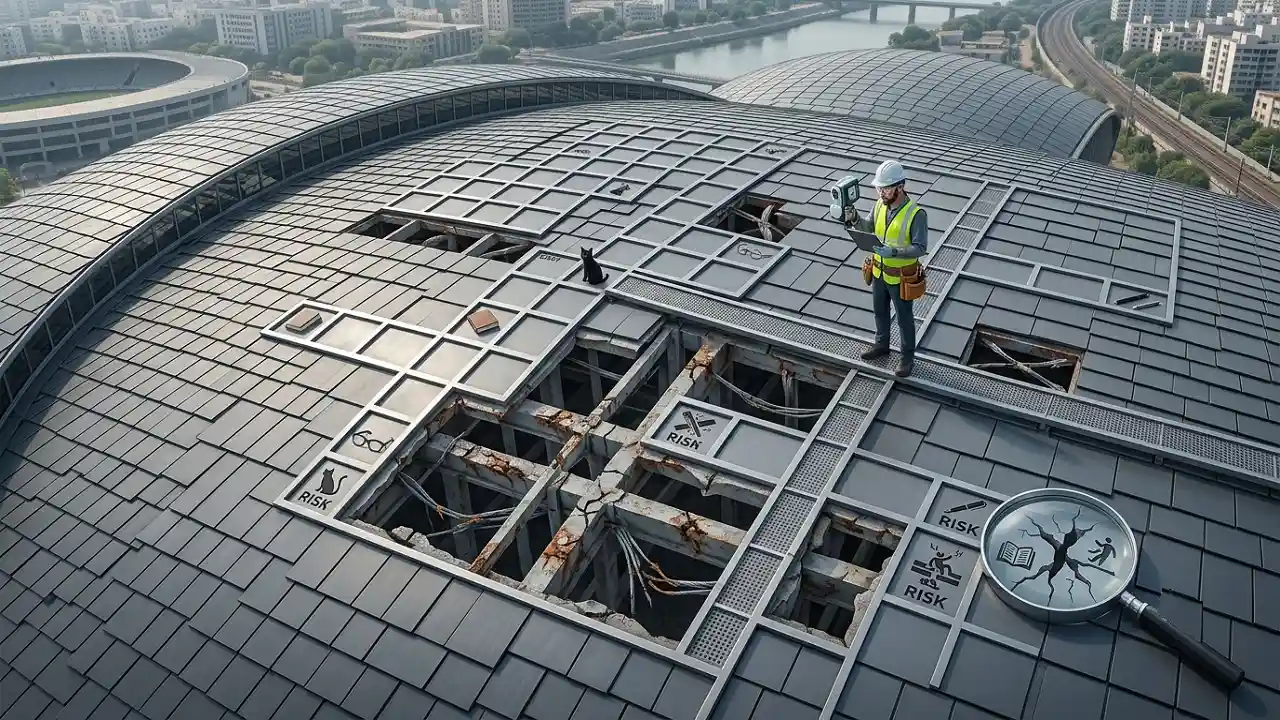
Regular Inspections: Check for damaged shingles, flashing conditions, and debris accumulation.
-
Clear Gutters and Eaves: Prevent water backup by cleaning gutters regularly.
-
Address Leaks Promptly: Hip junctions and valleys can be leak-prone; timely repair extends roof life.
-
Professional Assessments: Annual or biannual checkups by roofing specialists help detect hidden problems.
-
Debris Removal: Keep hips and valleys free of leaves or dirt to ensure proper drainage.
Cost Factors and Value
Hip roofs typically cost 10-15% more than comparable gable roofs due to their complex framing requirements. Factors influencing cost include:
-
Roof pitch and size
-
Materials used (asphalt, metal, tile)
-
Local labor rates
-
Additional features (dormers, ventilation)
However, hip roofs add long-term value by enhancing durability, reducing wind damage repairs, and improving home aesthetics.
Is a Hip Roof Right for Your Home?
Hip roofs are especially suitable for areas prone to high winds or heavy snowfall thanks to their strong, aerodynamic form. They also appeal to homeowners interested in a timeless, elegant roofline that complements many home styles.
If you desire extra living or attic space, hip roofs may require additional framing work, but can still be adapted with dormers or vaulted ceilings.
In summary, the hip roof is a reliable, aesthetically pleasing roofing option growing in popularity in 2025. Its combination of stability, weather resistance, and clean design makes it a smart investment for durability-conscious homeowners. Understanding its types, installation methods, and maintenance will ensure you enjoy a long-lasting and attractive roof over your head.