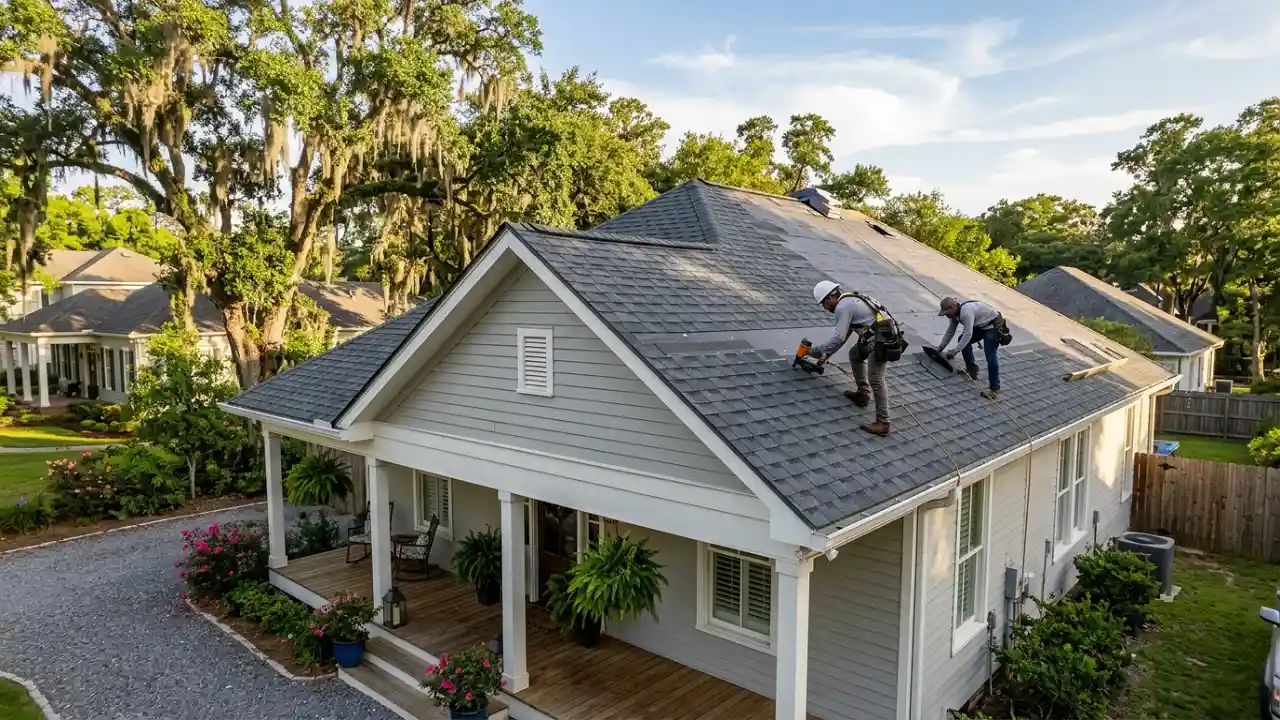
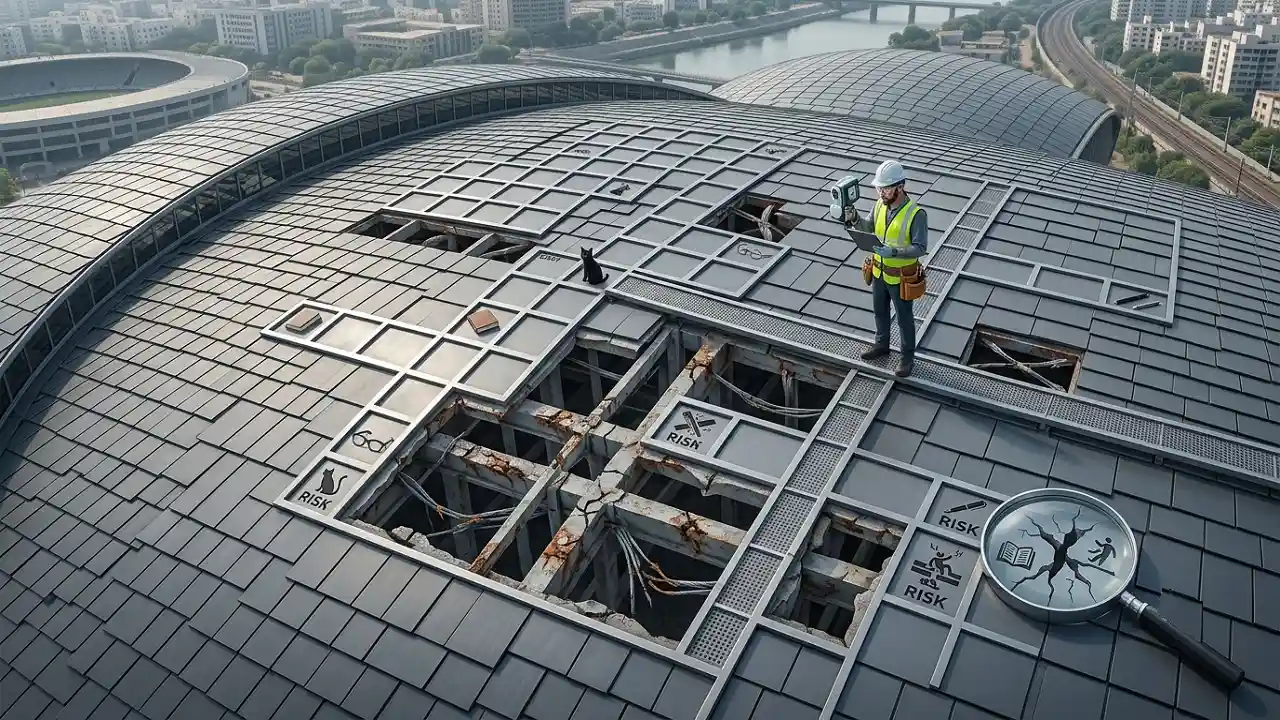
Eave trim, while often overlooked, provides essential protection on roofs by channeling water runoff and protecting susceptible points on the roof from water related damage.
Increasing trim and edge protection also leads to increased durability of the roof and lower maintenance costs on the roof for the house, and therefore saves on costs spent on roof maintenance. This will be further explained in the next paragraphs.
What is Eave Trim?
Eave trim, also called drip edge and, roof edge flashing is placed on the lower edge of the sloped roof on the siding of the house and, meets the facia. Eave trim is an important structure as it protects the home by channelling rainwater directly into gutters as first protection for the walls and foundation of the home.
If it is not in place, rainwater can get under metal roof rejuvenation coverings leading to massive leaks and severe damage.

Eave trim also comes as L1, J1, and custom roofing profiles. Roof renovations and roofing replacements of roof trim and profiles are often overlooked, but leading professionals in the industry recommend and emphasize the important role and as primary defense for house roof systems.
What Are the Key Functions of Eave Trim
Eave trim offers several underappreciated and important labor to defend vulnerable points on roofs. One of trim is channeling water off the edge of the roof to walls and foundation on the house.
Another trim function is rotecting roof panels from uplift for wind created on storm;if spend more time on storm protection.
Another pro is protecting wooden fascia boards from moisture to minimize or prevent rotting. Furthermore, pests can access wood rot areas but boards prevent this.
This trim is critical for the long-term maintenance of roofs in areas with significant precipitation and wind, e.g., certain locations in the United States and India.
Advantages of the Trim for the Lifespan of the Roof
A metal system with the proper trim on the eaves can result in an improved lifespan of the roof by over 20-30 years due to superior moisture control and protection of the roof.
The trim also lessens the likelihood of conditions like fascia rot, metal rusting, attic leaks, and the severe premature roof and restoration costs.
E.g., When eaves are trimmed with steel, the maintenance costs are the same, but the steel will last 40-60 years when properly coated, making it an ideal alternative for residential roofs in storm-prone areas.
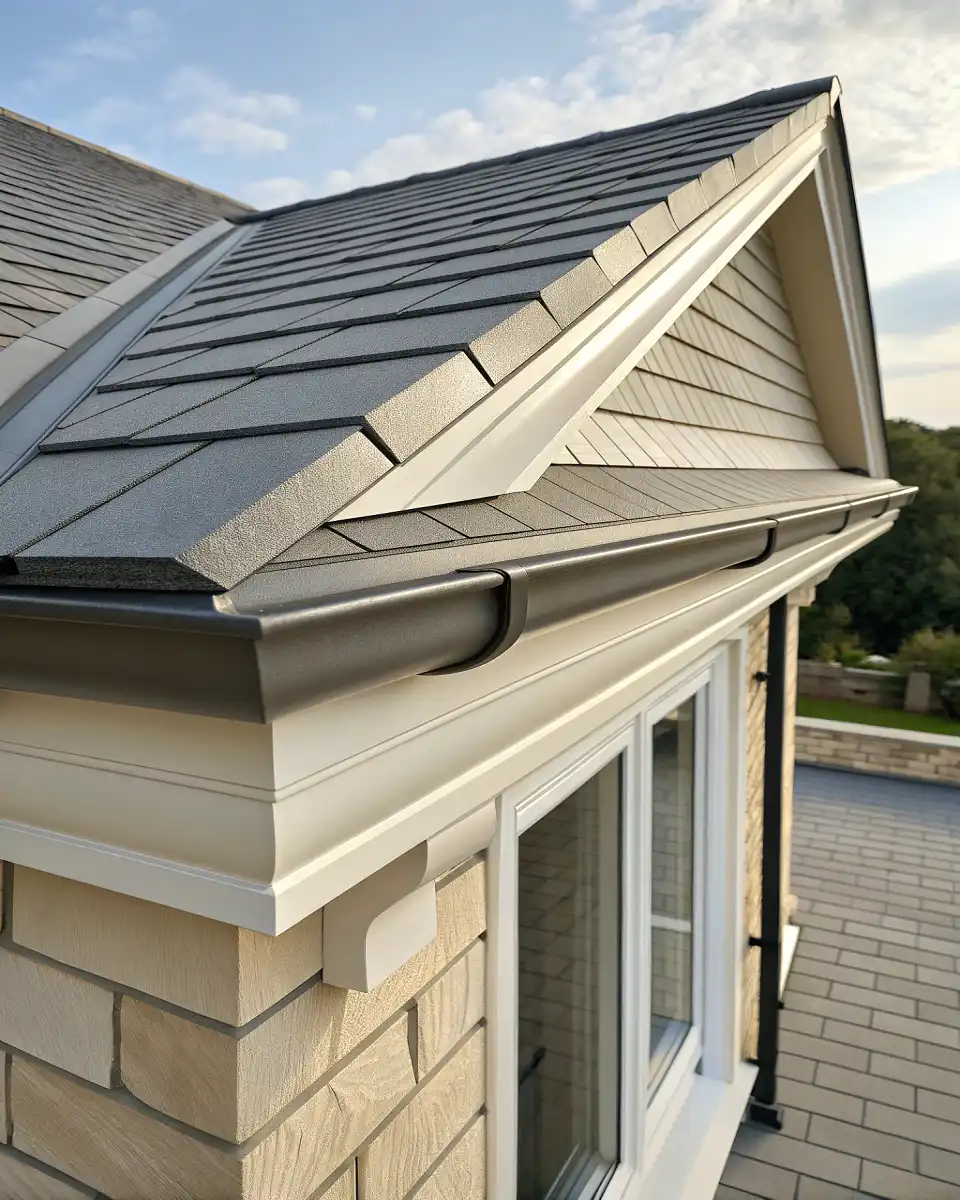
Options and Material of the Eaves
Our comparative analysis, seen as a tabulation below, reviews the most common types of eaves available in the market with regard to their materials and expected relative durability and purpose.
Steel may be the most durable to lead the 2025 trends, but aluminum should be the top choice for removable DIY house roofing projects.
| Type/Material | Durability | Cost Range | Best For | Weight (per 10-ft piece) |
| Galvanized Steel | High (40-60 years) | Medium | Metal roofs, wind-prone areas | 6-10 lbs |
| Aluminum | Medium (30-50 years) | Low | Residential, lightweight needs | 3-5 lbs |
| Copper | Very High (50+ years) | High | Premium homes, aesthetics | 8-12 lbs |
| Vinyl/Fiberglass | Low (15-25 years) | Very Low | Budget fixes, low wind | 2-4 lbs |
Installation Steps
To begin work on the eave trims, place an additional synthetic underlayment over the roof deck for more protection for water.
Then, cut the trim pieces to match the roof edge. They tend to be in the 10-12 foot length range, but may be positioned with 1-1.5 inch overhangs over the fascia.
Screw the top flange onto the deck with pancake-head screws. They should be spaced 12-24 inches apart, with the sections overlapping each other by 3-6 inches and secured with sealant.
Set a trim cleat in place for wind resistance, and seal all joints with silicone for metal roofs. If doing sections in overlapping, it is recommended to go from left to right for each section on top for a cleaner result.
2025 Updates and Trends
With the rise of storms, eco-friendly and sustainable roofing materials is a huge priority for Trim and eave in 2025.
Hail and fire rated Class 4 steel eave trim with steel and and top grade engineered materials is an excellent choice for storms.
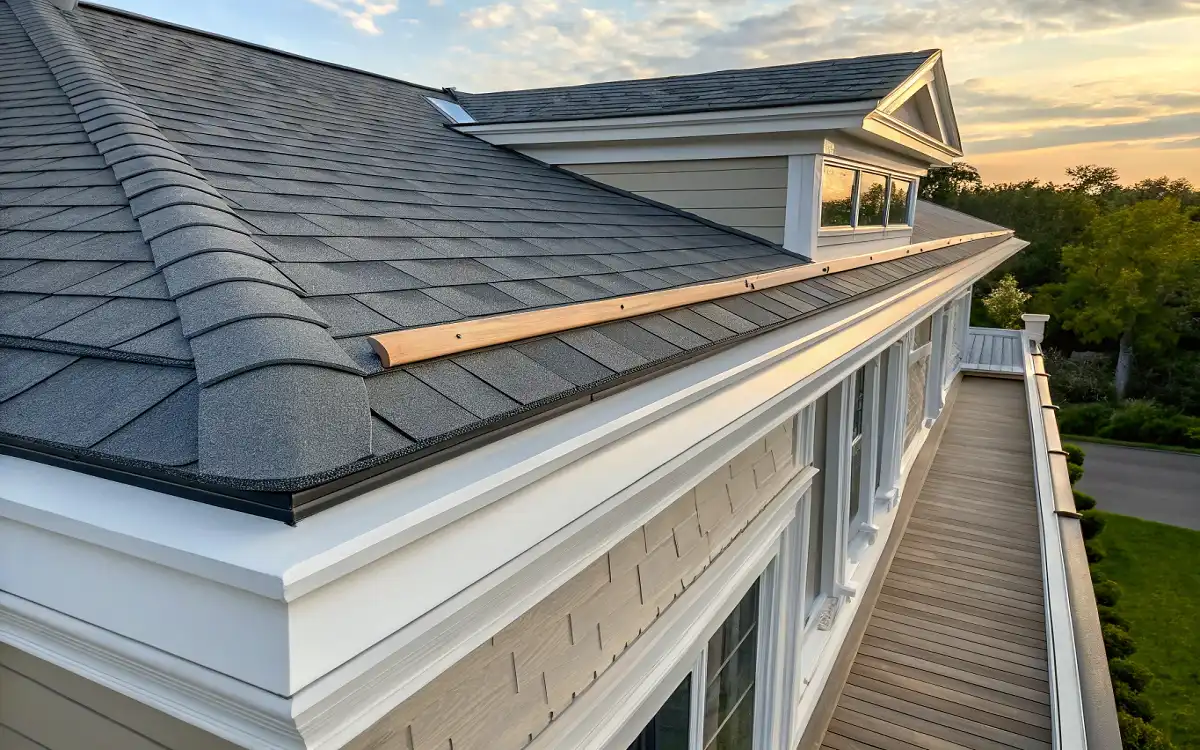
Steals trend mini eave trim is a popular choice for homes at 2.5 x 2.5 inches, while the 5.25 x 5.25 inches full-size is great for commercial. Custom bullnose profiles provide a more modern appearance. Pairing it with energy-efficient solar-integrated roofs adds to the eco-friendly appeal.
Maintenance Tips
For routine roof maintenance, remember to inspect eaves trims at least twice a year for dings, rust, and any loose screws or fasteners that may be present.
To prevent water backup, please clear gutters, remove debris, and paint scratches after touch up with the matching paint.
To prevent damage from falling tree branches, please trim nearby trees. Also, check for pests such as birds that may be nesting and laying eggs within the temporary housing.
Gutter guards, along with eave trim, will help reduce the upkeep required on the house roof.
Typical Issues and Their Solutions
Stains on the flooring are caused by water leaking from the roof as a result of a poor eave trim installation. Overlap seams must be re-sealed. Moving objects are a common wind problem; a solution to this issue is the reinforcement of the edge.
Unfinished, Roof Work black steel trim will rust and need to be replaced with galvanized or painted steel. Gaps between the house and eave trim will cause water leaks; trim eave leaks can be sealed using butyl tape.
Price Ranges
The average eave trim installation prices will range between $1.50-5.00 per linear foot, required material. Steel eave trim will cost about $2-3 per foot for 29-guage.
Overall, roof eave trim on a 2,000 sq ft roof will cost about $300-800 to instal. Ecomomically favorable compared to water and leak damage repairs that cost over $5,000.
The most cost-effective solution is to trim the eaves on your home and perform the installation yourself. A professional installation is recommended on metal roofing systems and roofing that is pitched steeply.
Eave trim is a cost-effective solution to add an architectural feature to improve the overall home. A quality installation coupled with a regular maintenance checks will help ensure this investment pays off.
For More Roof Repair and Maintenance Visit Classic Roofing Restoration Page