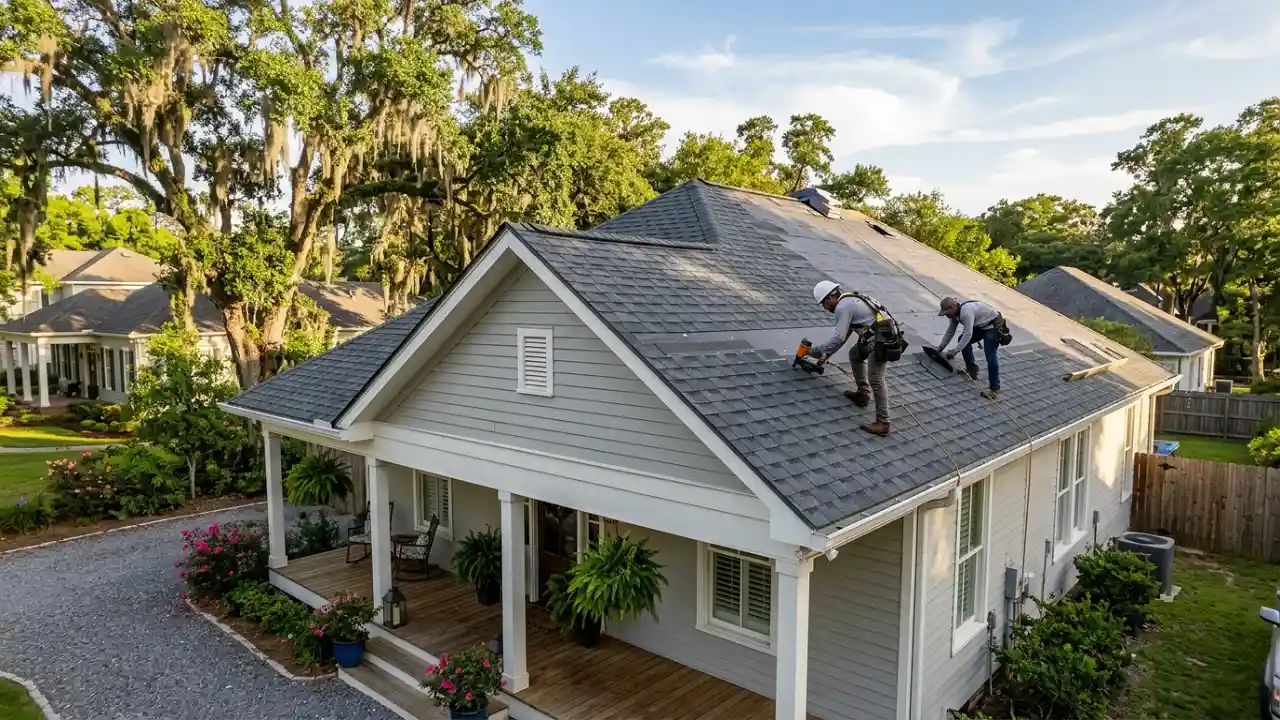
With proper maintenance, UV-weathered EPDM rubber roofing has a life expectancy of 40-50 years. The membranes resist weather extremes and require minimal maintenance.
EPDM roofing is reliable and cost-efficient, which is why homeowners and businesses select these instead of other options.
What is EPDM Rubber Roof?
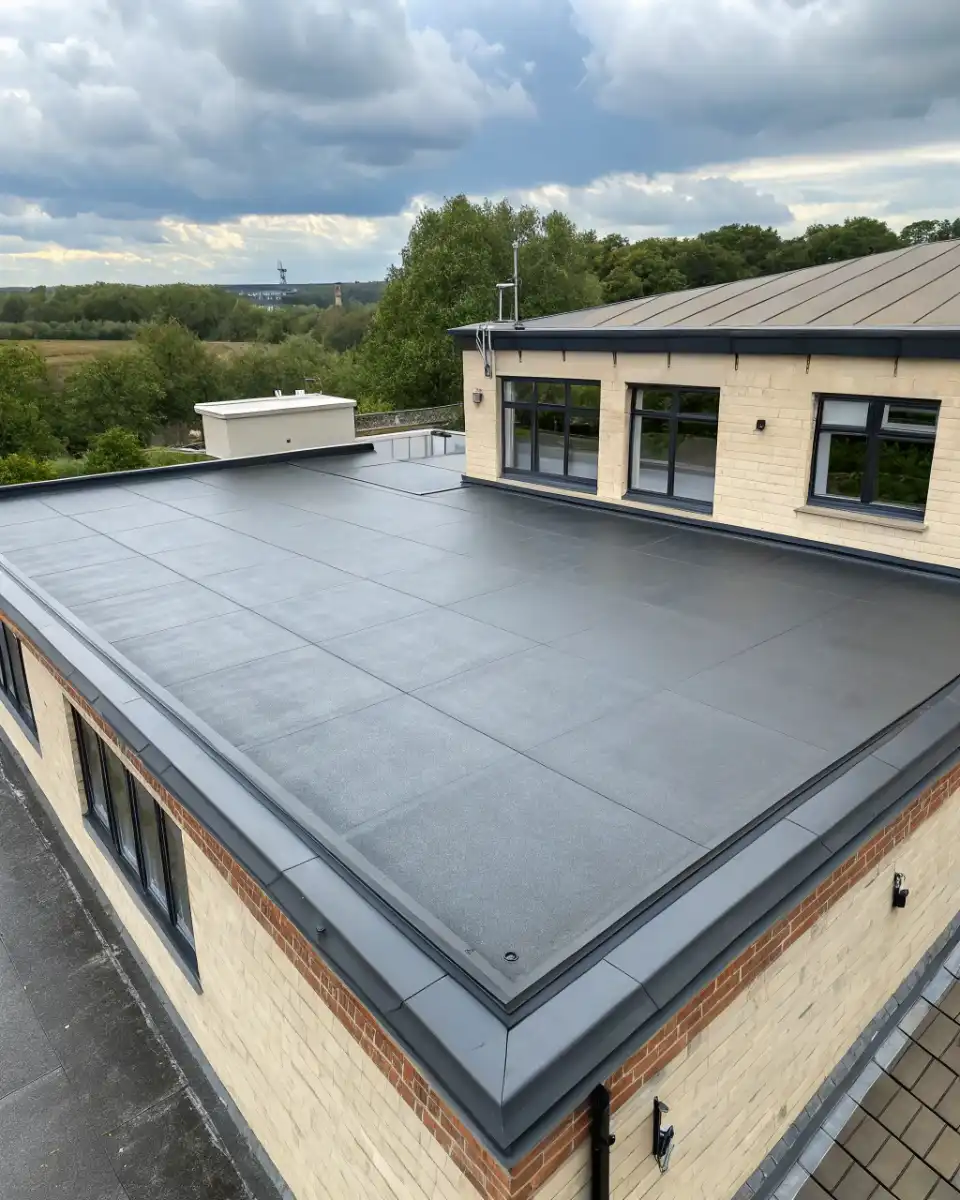
EPDM roofing is specifically ethylene propylene rubber, which is a flexible synthetic rubber formulated from natural gas and oil. The roof comes in sheets usually ranging from 45-90 mils thick, and catering to different consumer needs, they produce these in black or white.
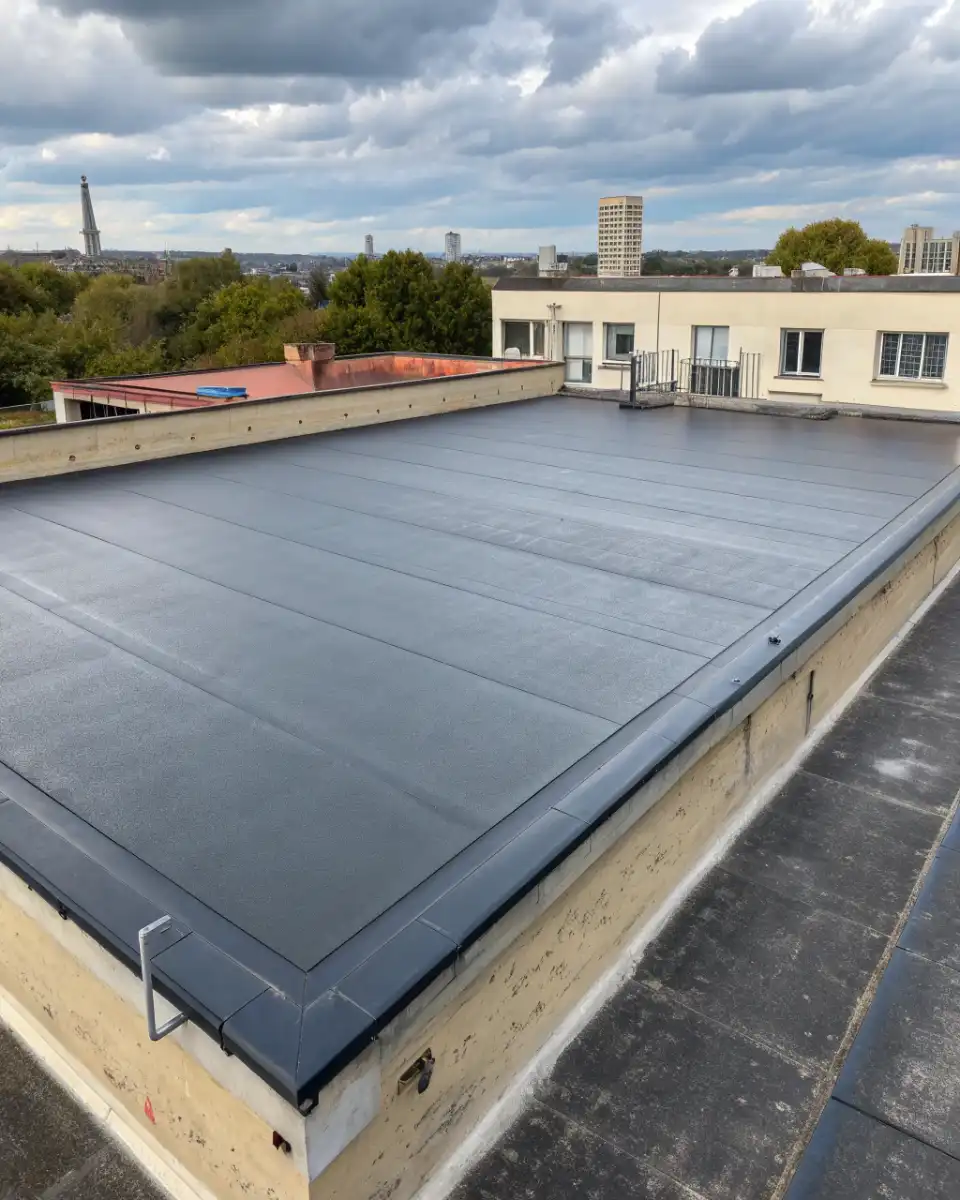
EPDM is ideal for flat or low-slope roofs, usually pitched clocking at 3:12, due to its flexibility and its ability to withstand expansion and contraction without loses integrity on its structure.
It can withstand harsh weather from -40°F to 300°F, as well as UV rays, and ozone. Its structure is unlike other rigid materials, its synthesised elasticity does not permit splits to occur from thermal building shifts or hail strikes. It’s mass produced to customer specs in one large yield, seamless up to widths of 50ft without abrasions.
Key Benefits of EPDM Rubber Roof
EPDM roofs lower a building’s energy requirements, as the white rubber deflects solar radiation, relieving stress on air conditioning units. It’s ideal for busy commercial roofs due to its resistance to tears and punctures.
They have low annual maintenance, and their life can stretch Roof Work fifty years.
EPDM roofing also has a positive impact on the environment. Manufacturers attempt to include some recycled materials EPDM roofs, and certified the roofs to also meet minimum requirements to qualify for some of the green building standards, such as LEED.
It maintains water impenetrability which stops moisture build up and consequently prevents rot in the structure under it. For instance, in coastal areas where it’s also salt water resistant, it further enhances value and won’t break down.
2025 Expenses Of Installing An EPDM Rubber Roof
Installing costs fluctuates depending on thickness and method and prices are in the range of $4.20-$14.25 for a square foot.
At the lower price range, ballasted system is the cheapest and at the high end fully adhered has a 90-mil option which is high for premium roof maintenance. Larger roofs are more efficient hence have lower costs per square foot.
| EPDM Roof System | Low Cost ($/sq ft) | Average Cost ($/sq ft) | High Cost ($/sq ft) |
| Ballasted 45-mil | 4.20 | 11.20 | 12.70 |
| Mech. Attached 60-mil | 5.10 | 12.10 | 13.60 |
| Fully Adhered 90-mil | 5.75 | 12.75 | 14.25 |
All these aspects add the roof costs for example a 10,000 sq ft roof has a range of $48,000 to $142,500. Recovering an old roof saves 20%-30% of costs compared to a full tear-off.
Ways to Install EPDM Rubber Roof
There are 3 Mostly common methods to implement EPDM rubber ‘roofs’ which are fully adhered, mechanically fastened, or ballasted. For fully bonded, glue is used to achieve seamless bonding known to withstand high winds, however, it’s quite labour extensive.
In mechanical fastening, sheets of the membranes are screwed to the decks and plates which are retrofitted in a quicker time.
To ballasted has a loose membrane under gravel or pavers which is the cheapest option and also has drainage slopes. For the pros, they are to clean, prepare the deck, apply primer, and finally unroll and bond EPDM rubber roof sheets.
Hire certified specialists to avoid voids that can lead to leaks.
Preparation and Maintenance Tips
Conduct debris, standing water, and crack inspections for EPDM rubber roofs every spring and autumn.
To take away dirt and leaves, use soft brushes and mild soap to wash, and then avoid pressure washers and chemicals. Check/flash seams for wear around vents or skylights.
To postpone work on roofs, perform resealing on edges every decade or so. Record logs to track maintenance and to formulate and execute plans to fix problems on a roof before they cause extensive Roof Damage deterioration.
Recognized Damages and Their Repairs
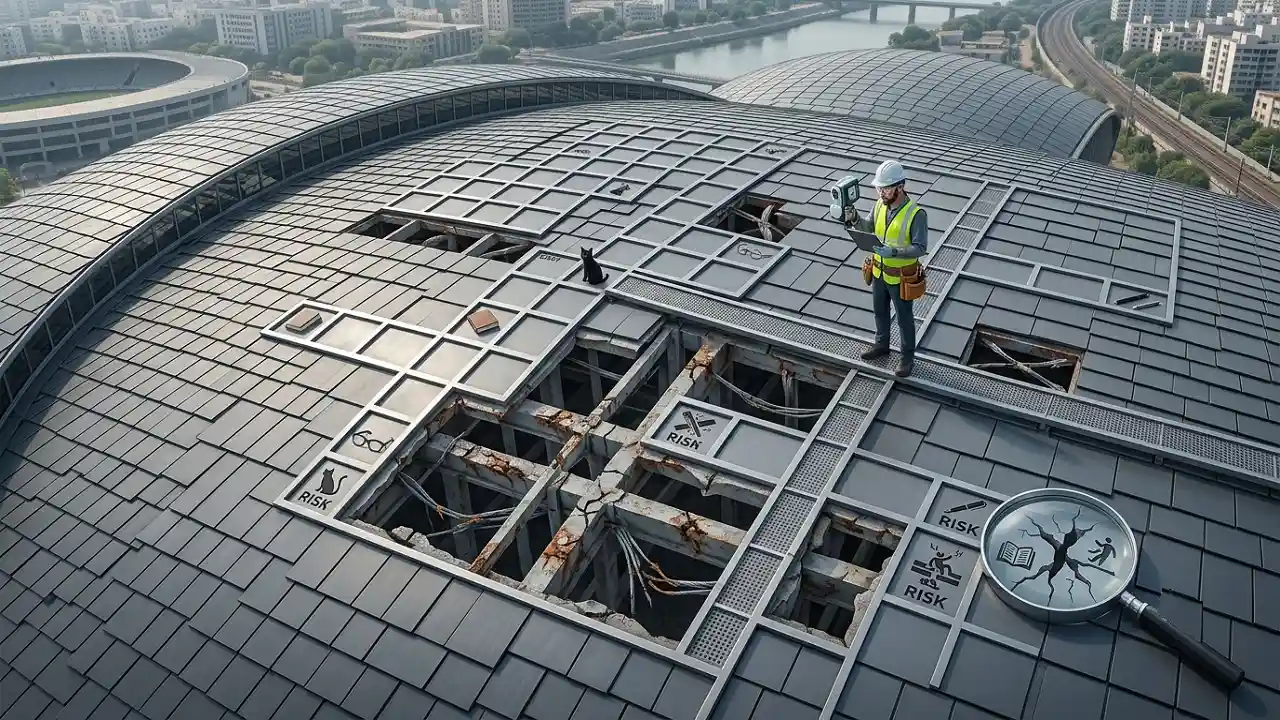
The most common distribution issue with EPDM rubber roofs is water to standing due to inefficient drainage. To resolve this, use tapered insulation. Patching and utilizing adhesive provides a seamless repair for punctures that can occur from tools or branches.
Alligatoring is a surface crack that occurs from UV rays and replacement is due around 30 years.
For gambrel roof adaptations, EPDM manages slight pitches, but specialists should be consulted for custom fits. To increase efficiency, aged black EPDM can be re-coated white to refresh of reflectivity.
Saved thousands on inner repairs with quick fix that stops water entry. 2025 Updates and Advancements 2025 provides self-adhesive EPDM that is quicker for installation and provides better bonding. Enhanced UV coatings and recycled blends will be available meeting the stronger green standards.
Urbanisation and energy rules boost the market will grow 5% CAGR. For 70-90 mil, thick options are most common and provide warranties of 50 years.
TPO is similar in reflectively, but regarding longevity, and puncture resistance, EPDM wins. Future tech is looking at smarter membranes equipped with sensors for remote monitoring.

EPDM vs. Other Flat Roofs
Outlasts TPO (20+ years) and modified bitumen (10.20 years). Although the initial costs is the same, over the years, you’ll end up saving with EPDM because there are fewer repairs.
| Feature | EPDM Rubber Roof | TPO | Modified Bitumen |
| Lifespan | 40-50 years | 20+ years | 10-20 years |
| Flexibility | High (300% stretch) | Moderate | Low |
| Puncture Resist | Excellent | Good | Fair |
| Cost/sq ft 2025 | $4-14 | $5-12 | $6-13 |
EPDM is suitable for various climates, while TPO is best for hot, sunny locations.
Conclusion
EPDM rubber roofs provide unparalleled fortitude for all plumbing flat roofin requirements. By the time newest tech comes in in 2025, they will complement eco-friendly buildings as well as up for high savings. Select dependent on location, funds, and pro expertise for decades of safeguarding.
To maintain peak performance without any unpleasant surprises, make sure to monitor the roof periodically.
For More Roof Repair and Maintenance Visit Classic Roofing Restoration Page