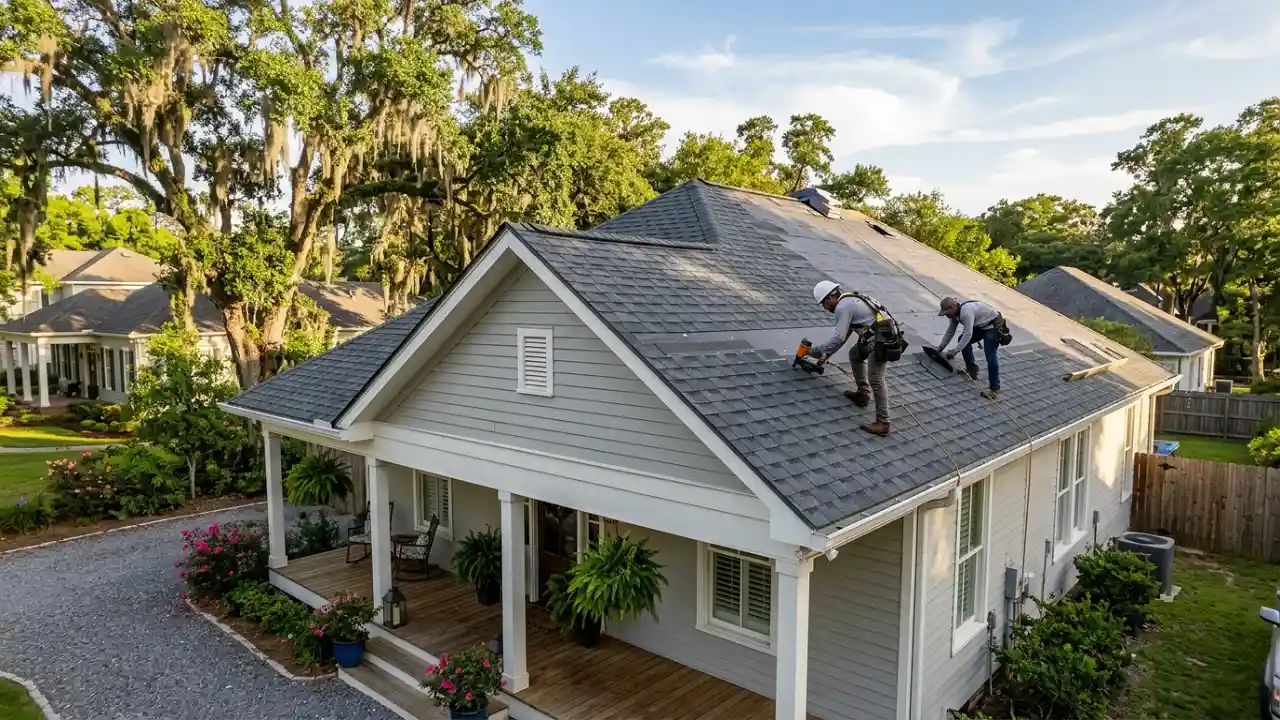
Homeowners today want a roof that is strong, attractive, and backed by solid warranties, without making installation harder or more expensive. GAF Timberline HDZ shingles were created to meet these needs by combining advanced engineering with a classic architectural look.
In this guide, we will cover what makes these shingles unique, why many Roof Installers recommend them, how they are installed, and when they are a good choice compared to other roof materials such as a gambrel roof design or traditional Thatched roofing.
What Are GAF Timberline HDZ Shingles?
GAF Timberline HDZ shingles are architectural (also called dimensional) asphalt shingles designed for residential roofing.
They are made in layers to create depth and a wood‑shake style appearance instead of the flat look of basic 3‑tab shingles. The “HDZ” line builds on previous Timberline products by adding improved bonding and nailing technology for better performance and faster installation.
In simple terms, gaf timberline hdz shingles aim to give you:
- A good‑looking roof that boosts curb appeal
- Strong protection from wind, rain, and everyday weather
- Easier, more accurate installation for roofing crews
These shingles are widely used in North America and are commonly seen on both new homes and roof replacement projects.
Key Features of GAF Timberline HDZ Shingles
Modern shingles are more than just colored asphalt pieces; they contain layers, seals, and engineered zones that all work together. GAF Timberline HDZ shingles stand out because of several specific features.
LayerLock Technology
One of the most important design features is GAF’s LayerLock technology.
This technology mechanically fuses the common bond between overlapping shingle layers to create a more secure connection. In plain language, the upper and lower parts of the shingle are locked together more tightly than on many older designs.
This tighter bond helps the shingles resist lifting and movement, which is especially helpful in strong winds.
It also helps support the enhanced wind warranty options that GAF offers when these shingles are installed with the right matching accessories.
StrikeZone Nailing Area
Another standout feature is the StrikeZone nailing area, which is a wider, highly visible zone printed on the shingle where nails should be placed.
Traditional shingles often have a narrow nailing line, which makes it easy for installers to miss the correct spot, especially when working fast.
With StrikeZone, the nailing area is significantly larger and easier to see.
This helps roofers place nails accurately and consistently, which reduces installation errors and improves the long‑term performance of the roof. It also allows crews to work more efficiently without sacrificing quality.
Advanced Sealant and Wind Performance
GAF Timberline HDZ shingles use a strong sealant that activates under proper conditions of warmth and sun exposure.
Once sealed, the shingles stick tightly to each other along the StrikeZone area. This helps prevent wind from getting under the shingles and lifting them.
When these shingles are installed together with specific GAF accessories (such as starter strip shingles, ridge cap shingles, and roof deck protection), they can qualify for an enhanced limited wind warranty with no maximum wind speed limit under certain terms.
This level of wind coverage is a key selling point for homeowners in storm‑prone regions.
Architectural Look and Color Selection
Beyond performance, GAF Timberline HDZ shingles are designed to look good.
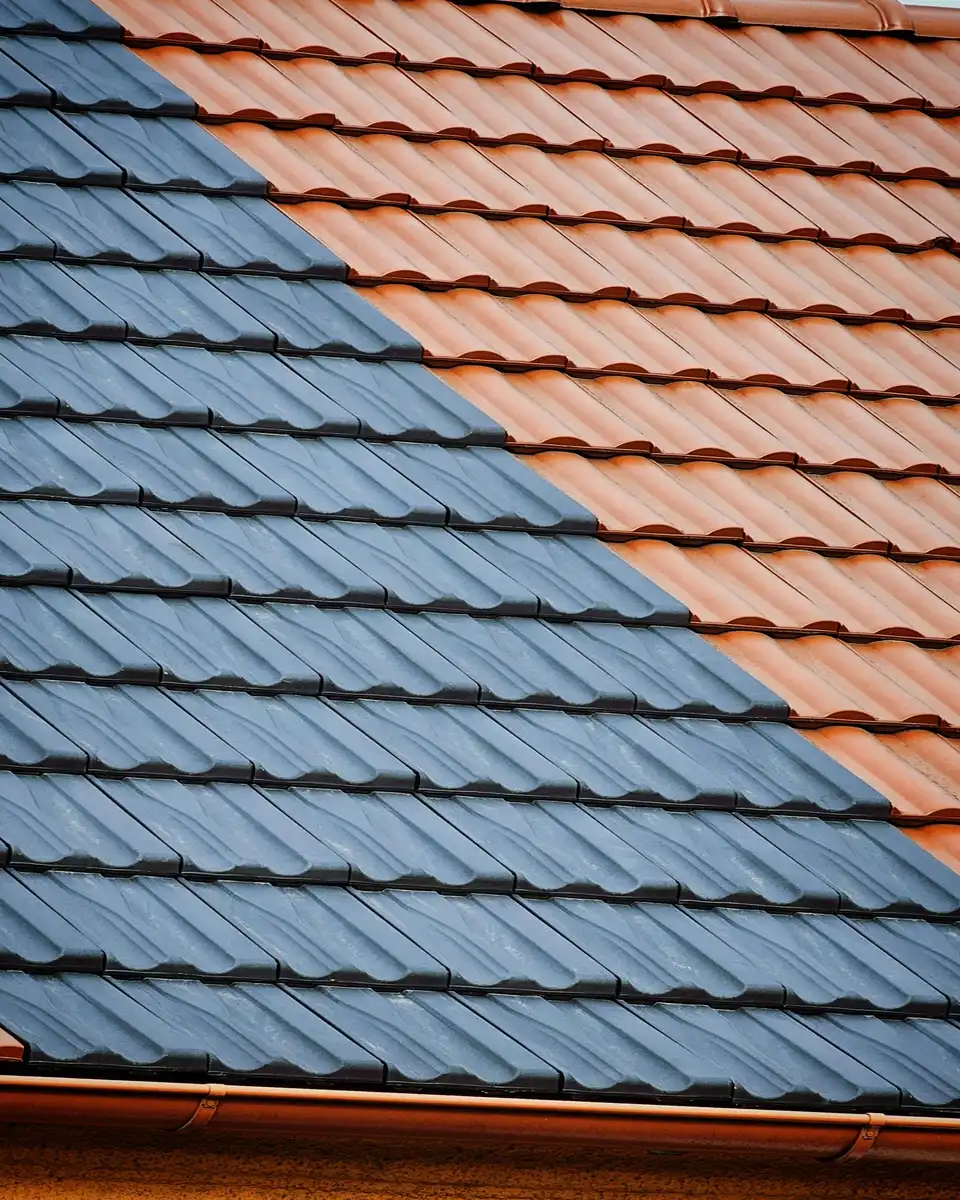
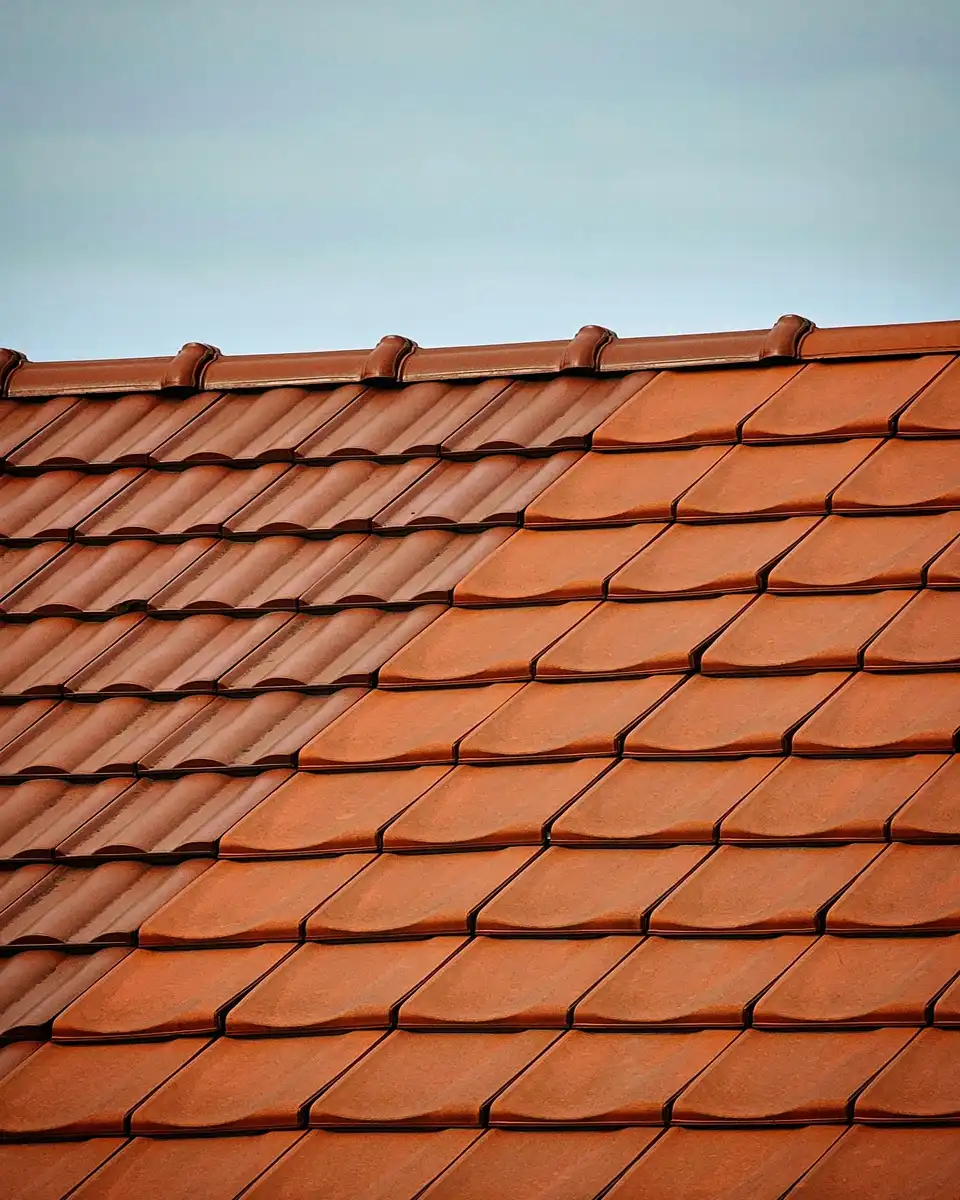
They are architectural shingles, meaning they have multiple layers and shadow lines that give the roof a dimensional, wood‑shake style appearance. This creates depth and a richer look compared to flat 3‑tab shingles.
They are available in many colors, such as shades of gray, brown, black, and blended tones that mimic natural wood and stone. This variety allows homeowners to match shingles to the style of their house, whether the design is modern, classic, or rustic.
Impact on Installation Speed
Because of the LayerLock bond and the large StrikeZone nailing target, many roofing professionals find that Timberline HDZ shingles can be installed faster than some older products.
Fewer missed nails, less rework, and easier alignment of courses can reduce time on the roof.
Faster installation can mean:
- Lower labor costs in some markets
- Less time your home is exposed during tear‑off and installation
- Fewer chances for weather to interrupt the project
Benefits of Choosing GAF Timberline HDZ Shingles
Features are technical details; benefits are what those details mean for you as a homeowner. Here are the main benefits you can expect.
Strong Wind Resistance and Durability
If you live in an area with common storms or high winds, wind resistance is critical.
Thanks to the combination of LayerLock technology, the StrikeZone nailing area, and strong sealant, GAF Timberline HDZ shingles are designed to stay in place even in very strong wind conditions.
This can reduce the risk of:
- Shingles blowing off during storms
- Water getting under the roofing system
- Frequent repair calls after bad weather
Attractive Appearance and Better Curb Appeal
Your roof is one of the largest visible surfaces on your home, so its appearance matters for both pride of ownership and resale value.
Timberline HDZ shingles have a dimensional, textured look that mimics natural wood shakes without the weight and maintenance of wood.
An attractive roof:
- Makes the home look more finished and upscale
- Can help the property stand out in the neighborhood
- May positively influence potential buyers when you decide to sell
Warranty Options and Peace of Mind
GAF offers a range of warranty coverage for Timberline HDZ shingles, and in many cases the coverage can be extended when the shingles are Thatched roofing by certified contractors and combined with GAF accessory products.
These warranties can include strong protection against manufacturing defects and enhanced wind coverage.
While warranty details depend on the exact package and region, having access to robust warranty options provides extra confidence that your investment is protected if a covered issue occurs.
Easier, More Reliable Installation
Because the shingles are engineered for easier installation, both homeowners and contractors benefit:
- Installers have a larger, clearer nailing target for better accuracy.
- The mechanical bond created by LayerLock helps keep courses aligned.
- Fewer installation errors can lead to fewer callbacks and long‑term problems.
In short, a product that is easier to install correctly is more likely to perform well over time. That is a major advantage compared to lower‑end shingles that leave more room for human error.
Good Balance of Cost and Value
GAF Timberline HDZ shingles are generally priced higher than basic 3‑tab shingles but are often more affordable than many premium specialty roofing options.
For many homeowners, they strike a good balance between cost, appearance, performance, and warranty coverage.
You are paying for:
- Better durability and wind performance
- A more attractive architectural style
- Potentially stronger warranty protection
Over the life of the roof, this can provide good value compared to cheaper products that may need more repairs or earlier replacement.
When to Choose GAF Timberline HDZ Shingles
GAF Timberline HDZ shingles are a good choice in many situations, but they are especially suited to certain needs.
You may want to choose them if:
- You are replacing an aging roof and want a noticeable upgrade in appearance.
- You live in an area with frequent windstorms and want high wind performance.
- You plan to stay in your home long enough to benefit from a durable shingle and strong warranties.
- You want a standard asphalt‑based system instead of more complex systems like metal, tile, or Thatched roofing.
They can be installed on many types of roof designs, including simple gable roofs, hip roofs, and more complex forms such as a gambrel roof, as long as proper roof deck and slope requirements are met.
Useful Table: GAF Timberline HDZ at a Glance
Below is a simple reference table to help you quickly understand the main points about these shingles.
| Aspect | Details |
| Product type | Architectural asphalt roofing shingles |
| Look/style | Dimensional, wood‑shake style appearance |
| Key technologies | LayerLock technology, StrikeZone nailing area |
| Wind performance | Designed for very high wind resistance; eligible for enhanced wind warranty with required accessories |
| Installation | Wide nailing area for higher nailing accuracy and faster installation |
| Typical use | Residential roof replacements and new construction |
| Visual options | Multiple colors and blends to match different home styles |
| Main benefits | Strong wind resistance, attractive appearance, good value, solid warranty options |
| Best for homeowners who | Want a durable, good‑looking roof with reliable performance and warranties |
Basic Installation Guide for GAF Timberline HDZ Shingles
Installing any roof should follow local building codes, manufacturer instructions, and safety standards.
The steps below are a high‑level guide to help you understand the process. Always rely on qualified Roof Work professionals for actual installation.
1. Inspection, Tear‑Off, and Deck Preparation
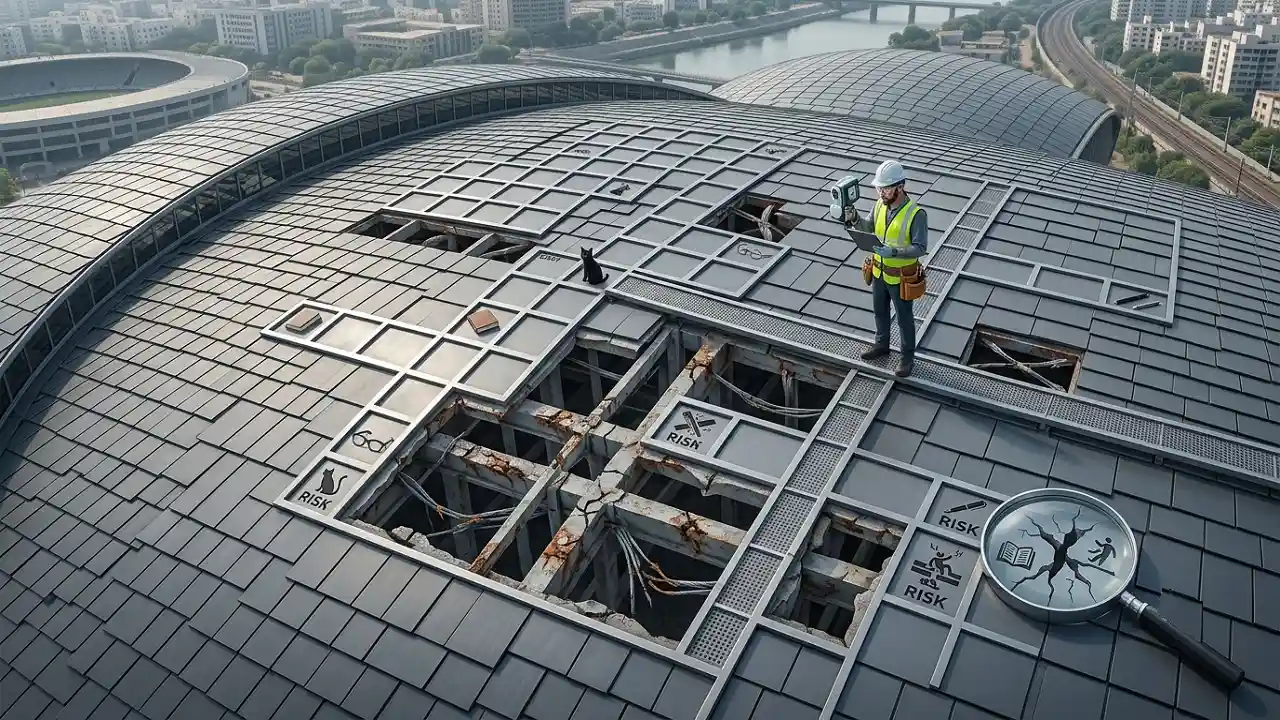
The first step is to inspect the existing roof and structure. The installer checks for:
- Rotten or damaged roof decking
- Signs of leaks or mold
- Structural issues that must be fixed
If you are replacing an existing roof, the old shingles are removed down to the roof deck. The deck is then repaired or replaced as needed, and all debris is cleared. A clean, solid deck is critical for a long‑lasting roof.
2. Underlayment and Leak Protection
After the deck is ready, the crew installs underlayment over the entire roof surface. This secondary layer provides additional protection against water and helps create a smoother base for the shingles.
In vulnerable areas such as valleys, eaves, and around penetrations (like chimneys and skylights), specialized leak‑barrier membranes are often applied. These products provide extra protection against ice dams and wind‑driven rain.
3. Starter Strips and Drip Edge
Next, starter strip shingles are installed along eaves and, in many systems, along rake edges. Starter strips create a straight, secure edge for the first course of shingles and help ensure proper sealing at the roof edge.
Drip edge metal is usually installed at the eaves and rakes (if not already in place) to help direct water away from the fascia and into the gutters. This small detail can greatly extend the life of the roof edges and reduce water‑related damage.
4. Laying the GAF Timberline HDZ Shingles
Now the main field shingles are installed. The crew follows the manufacturer’s pattern (often a staggered or “step” pattern) to avoid aligning joints between courses.
Key points during this stage:
- Shingles are aligned using reference marks or previous courses.
- Nails are placed within the StrikeZone nailing area for each shingle.
- The correct number of nails per shingle is used, depending on wind zone and code requirements.
Because the StrikeZone nailing area is wide and clear, installers can work faster while still placing nails accurately. The LayerLock bond also helps keep shingles well seated and aligned.
5. Valleys, Flashing, and Penetrations
Roof valleys, walls, chimneys, vents, and skylights are critical areas where leaks can occur if not handled properly. During installation:
- Special valley installation methods (such as closed‑cut or woven valleys) are used depending on design and local practice.
- Metal flashing is installed or replaced around chimneys, sidewalls, and other transitions.
- Sealants and flashing boots are used around vent pipes and other penetrations.
Proper work in these areas is just as important as the shingle itself. Even the best shingles cannot perform well if flashing and details are incorrect.
6. Ridge Caps and Ventilation
At the top of the roof, ridge vents are often installed to allow hot air and moisture to escape from the attic. Good ventilation helps:
- Extend shingle life
- Improve energy efficiency
- Reduce moisture buildup in the attic
After the vent is installed (or if a different venting system is used), ridge cap shingles are placed along the roof peaks. These specially shaped shingles cover and protect the ridge while completing the finished appearance of the roof.
7. Final Inspection and Clean‑Up
Once all shingles, flashing, and accessories are in place, the crew performs a final inspection. They verify:
- Proper nailing patterns and placement
- Sealed areas where required
- Clean lines along eaves, rakes, and ridges
The job site is then cleaned, nails and debris are removed, and the homeowner is usually walked through the completed work. Documentation for warranties may also be completed at this stage.
Tips for Homeowners Before Installing GAF Timberline HDZ Shingles
If you are planning a roof project using Timberline HDZ shingles, here are some simple tips to follow:
- Get multiple written estimates from qualified roofing contractors.
- Ask whether the contractor is certified by GAF and if that affects your warranty options.
- Confirm which underlayment, leak barriers, starter strips, and ridge caps will be used.
- Check local building codes for required ventilation, nailing patterns, and underlayment types.
- Discuss color options and ask to see full‑size samples on your actual roof in natural light.
A little planning and careful contractor selection can help your gaf timberline hdz roof perform its best for many years.
Conclusion
GAF Timberline HDZ shingles offer a strong mix of durability, wind performance, and attractive architectural style in a product that is designed for easier, more accurate installation.
Features like LayerLock technology and the wide StrikeZone nailing area give both homeowners and professional installers real advantages in everyday use.
For More Roof Repair and Maintenance Visit Classic Roofing Restoration Page