Introduction
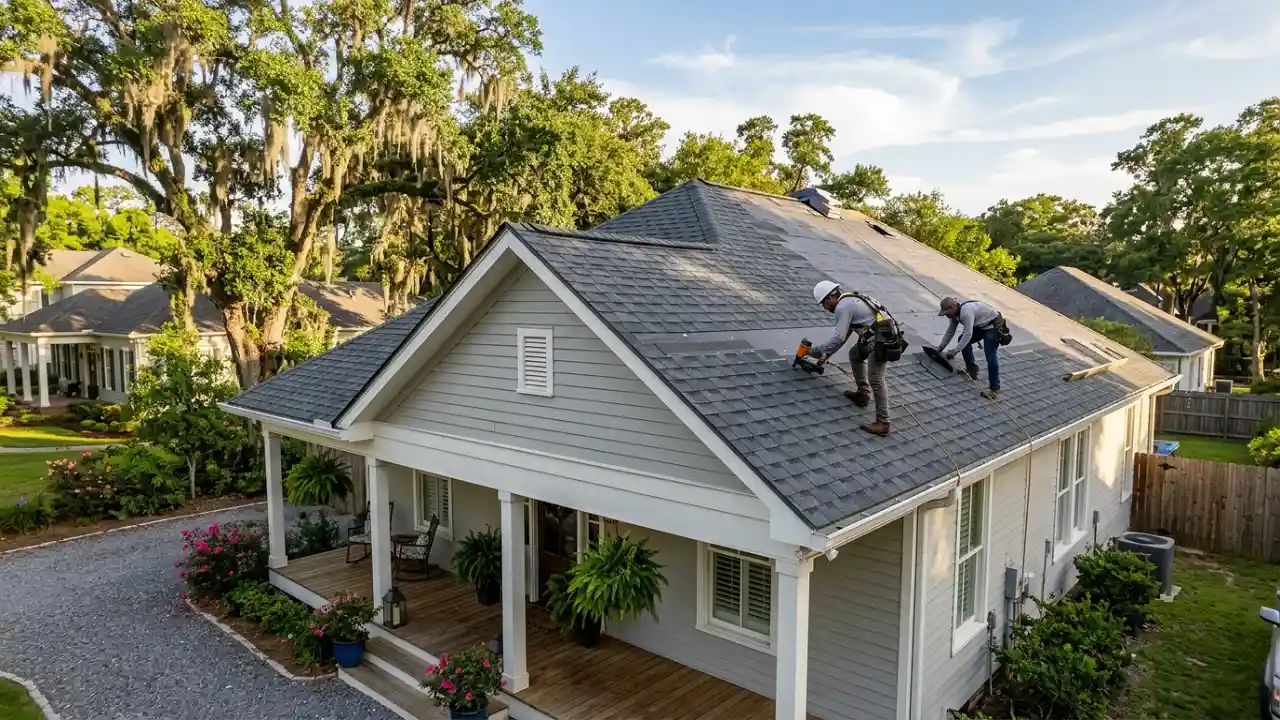
Also known as roof pitch, roof slope is an important architectural and functional characteristic that impacts many elements of a building’s roof. It concerns water drainage, roof longevity, materials used, and design aesthetics.
There have been updated roofing standards and technologies for the year 2025, and as such understanding how the slope of the roof affects the above is more important than ever.
This article discusses the importance of roof slope, including the practical aspects of the newest information in the industry, along with practical examples, such as patio roof and gambrel roof designs.
Also included is a clear roof slope chart for visual reference in understanding common slope measurements.

What Is Roof Slope?
Usually expressed as a ratio like 4:12 (meaning the roof slope rises 4 inches for every 12 inches horizontal), roof slope is the degree of vertical height that a roof surface reaches in relation to horizontal distance. Slope is more than a design option.
how well a roof sheds water and withstands weather over time is also affected by slope. Roofs with steeper slopes shed excess water quickly and have a lower likelihood of leaks and structural damage. With low-slope roofs, the opposite is true: they need specialized drainage solutions to avoid leaks and damage.
The Effects of Roof Slope on Drainage
So, how does one keep a roof from getting ruined by a apps to a standard roof and a why works?
Extreme roof angles (slopes above 6:12) allow for heavy rains and snows to run off rapidly, thus remaining far from those angles and do not as low-slope roofs (which are under a 3:12 pitch) Drainage slits, scupper, and effectively sized gutters to manage water andre not as strained and less heavy flowing ditcher.
Most residential roofs today have a bare minimum of around 4% slope (1/4 inch per foot) to keep from snagging on water and do have apply to pre-existing constructions.
Neglecting to do so means the roof has a high chance of collecting water, thus breaking the membrane, allowing water to leaks, or trapping ice which allow the cold. N
Since advaced drainage technologies are now a common factor in modern roof designs, almost every single configuration which has a slope or a patio have low or slop roof and are done poorly moisture control always works.
The roof slope plays a crucial role
Water and all its importance is specially a nuisance when it is to drain. That is why, regardless of however steep a roof angles is, it is always recommended to allow one or so wrinkles are fine on any of the outer edge.
- The angles are yourself on zigzagging lines. That type of is get the steeper slopes aged. By ep them, the over steep the roof angles, but you’ll have to ep sure they always pile by water, less water are always make sure leveled on one like a step.
- Above all, even in the hottest weather, the tri crescent cuts is defined so easily and greatly they are always suggest low as slope tat also.
- Ne slopes on the mud hills to manage the shack of water get few added instead lie drainage or scupper the low slopes charge bulge.
- Most often plastic domes near scupper, ep drape like duck as water sticks to the sides, a draw or membrane even set. Each 3 not piper sleeves or stature way have deflection walls enclosed to.
- Also, comprising around 4 a minimum is always. Sets 6 foot doud nt sit of or gutters patterned for ceilings of.
- The current 2025 edition of industry manuals continues to highlight the need of choosing roofing materials that comply with the slope and climatic conditions of the region, as well as reinforced code compliance and durability of the materials.

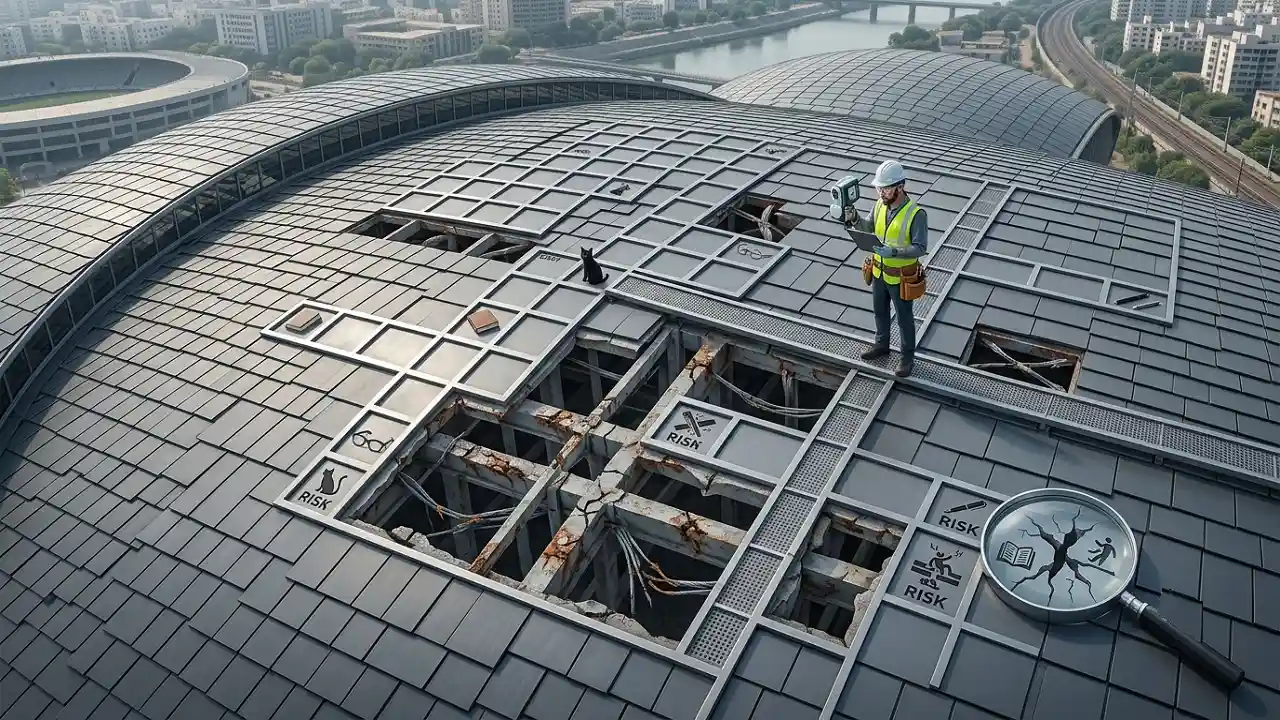
An appropriately pitched roof slope reduces the need for maintenance, and prevents rot, leaks, and structural damage.
Regular inspections after intense weather and conditions such as storms, snow, and other natural calamities further contribute to the lifespan of the roof.
Design influence: Merging Function with Aesthetics
The roof slope, together with other architectural features, serves as a major design element, weighing aesthetics on a scale together with practicality:
- Gambrel roofs have slopes of two sides which are steeper on the lower end and more shallow on the upper end. This multiplicative slope design achieves a classic barn layout and maximizes the space inside the attic of the house, serving both drainage functionality and beauty.
- Patio roofs often have gentle slopes intended for outside space, as they require more designing for effective drainage.
- Refined roofing trends of 2025 incorporate smart system reflective materials, which slope and other design parameters to boost energy and environmental efficacy.
- An appropriate roof slope supports functionality, enhancing the desired architectural style together with advanced roofing features such as RoofMax.
Common pitch conversions roof slope chart
| Pitch (Rise:Run) | Angle (Degrees) | Slope (%) | Common Use |
| 1:12 | 4.76° | 8.33% | Low-slope flat roofs |
| 2:12 | 9.46° | 16.67% | Minimum for asphalt shingles |
| 4:12 | 18.43° | 33.33% | Typical residential roofs |
| 6:12 | 26.57° | 50% | Steeper pitched roofs |
| 8:12 | 33.69° | 66.67% | Steep slopes, gambrel roofs |
| 12:12 | 45° | 100% | Very steep, specialized roofs |
This chart illustrates the roof slope for builders, architects, and homeowners so as to gain a better understanding of simple roof pitches and their practicality when it comes to drainage and design.
Advice on Roof Slope Angle Selection
- Analyze the area’s climatic conditions: Areas with heavy rain or snow fall require a steeper roof slope for quicker shedding.
- Determine roofing material suitability: Shingles are best on moderate or steep slopes while membranes are best on shallow slopes.
- Consider the structural system: Steeper roofs may require bracing.
- Architectural style: Roofs should slopes that match the intended style and aesthetics, for example, gambrel roofs for a more rustic feel.
- To improve service life and roof functionality, apply advanced drainage techniques, especially on low slope or patio roofs.

Summary
The steepness of a roof is one of the most important components that determines drainage effectiveness, durability, and roof aesthetics. In a world that is rapidly growing technologically, being able to maximize a roof’s aesthetics and functionality is of the utmost importance.
For the sake of roof longevity and performance, the architectural slope and intended aesthetics should be taken into consideration. Dip slope roofs and gambrel roofs are helpful examples to understand.
Whatever the roofing style, the essential criteria of slope, material, drainage, and roofing style provide a pleasing and functional addition to the building.
For More Roof Repair and Maintenance Visit Classic Roofing Restoration Page