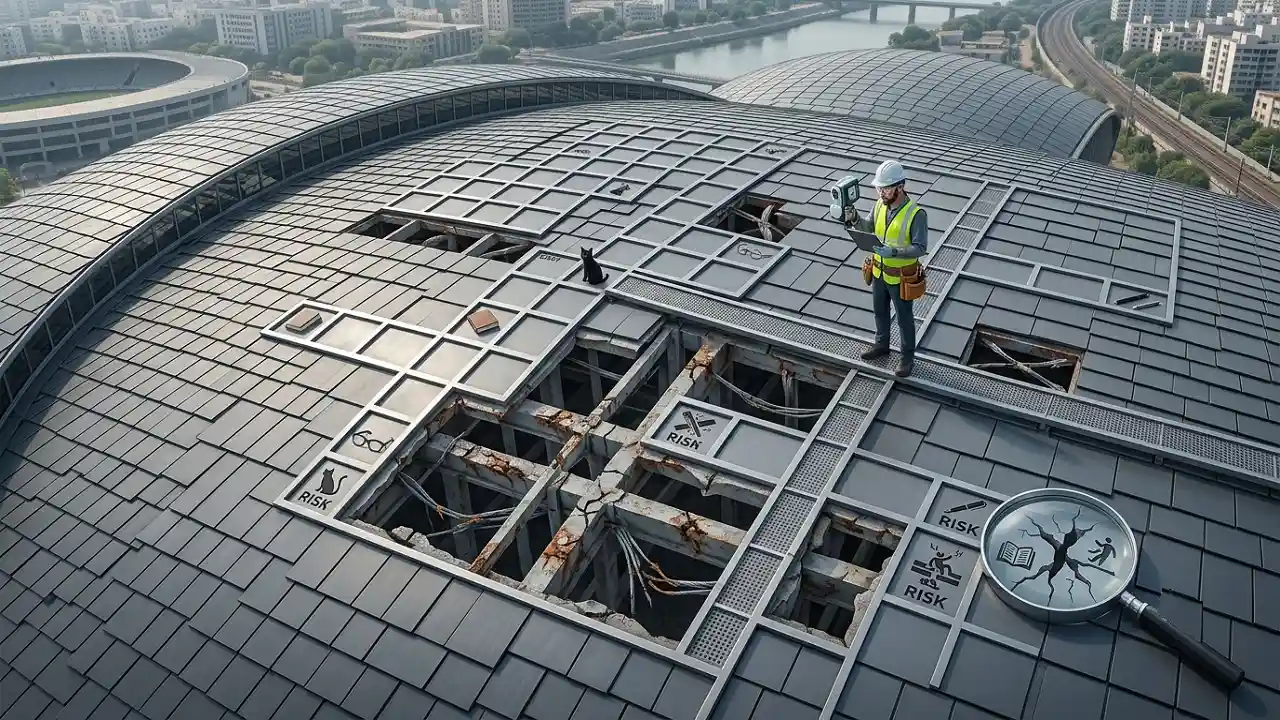
A roof drain is a vital component in managing rainwater and preventing water damage on flat or low-sloped roofs. It is designed to collect and channel water off the roof surface, protecting the structural integrity of buildings. Without proper drainage, water accumulates on roofs, leading to leaks, structural damage, and costly repairs. Understanding the types, benefits, installation, and maintenance of roof drains is essential for homeowners and building managers to ensure long-lasting roofing solutions.
Types of Roof Drains
Roof drains come in various types to accommodate different roof designs and drainage needs:
-
Surface Drains: Installed to drain water directly from the roof surface, often used for flat roofs. They collect water through a grating or dome on the roof.
-
Interior Drains: These drains are located within the roof area, connected internally to the building’s drainage pipes. They are common in commercial buildings.
-
Scupper Drains: Used primarily on roofs with parapet walls, these drains allow water to flow off the sides through openings in the walls.
-
Siphonic Drains: Designed for rapid removal of large volumes of water using pressure differences; common in extensive commercial roofing systems.
-
Overflow Drains: Act as backup drainage to prevent flooding during heavy rains when primary drains are blocked or overwhelmed.
Choosing the correct type depends on the roof design, building codes, and climate conditions.
Importance and Benefits of Roof Drains
Proper roof drainage offers several vital benefits:
-
Water Evacuation and Roof Protection: Efficient water removal prevents ponding, which can deteriorate roofing materials and cause leaks.
-
Flood and Leak Prevention: Reduces the risk of water overflowing into interiors, causing damage to ceilings, walls, and electrical systems.
-
Extends Building Lifespan: Protects structural elements from water exposure, increasing the durability of the building.
-
Mitigates Weather Impact: Helps buildings withstand heavy rainfall and prevents issues related to freeze-thaw cycles in colder climates.
Installation of Roof Drains
Installing roof drains properly is critical for their performance:
-
Selecting the Right Roof Drain: Consider roof size, slope, load capacity, and local building codes. Material choices, such as cast iron or PVC, depend on durability needs and budget.
-
Preparing the Site: Mark the drainage location on the roof where water tends to pool.
-
Drain Installation: Install the drain assembly flush with the roof membrane, ensuring a smooth water flow path. Connect drainage pipes and secure drainage points.
-
Sealing and Waterproofing: Apply sealants and waterproof membranes around the drain to prevent leaks.
-
Safety Precautions: Use proper tools and wear safety gear during installation to avoid accidents.
Maintenance and Cleaning of Roof Drains
Regular maintenance keeps roof drains functional and prevents costly damage:
-
Clear Debris Frequently: Leaves, dirt, and other materials can clog drains, leading to water backup. Clean drains at least twice a year and after storms.
-
Inspect for Blockages and Damage: Look for cracks, rust, or loose parts that could impair drainage.
-
Check Seals and Connections: Ensure all joints are tight and waterproofed to prevent leaks.
-
Remove Ice and Snow: In cold climates, prevent ice dams by clearing drains of snow and insulating pipes.
-
Professional Inspection: Schedule annual or bi-annual inspections by roofing experts to ensure system integrity.
Common Roof Drain Problems and Solutions
Some typical issues with roof drains include:
-
Water Pooling: Often caused by clogged or undersized drains. Regular cleaning and proper sizing during installation can solve this.
-
Drain Blockage: Leaves, debris, or ice can obstruct flow. Use strainers and schedule frequent cleaning.
-
Leaks and Cracks: Aging materials or improper installation may cause leaks. Prompt repair or replacement is necessary.
-
Loose Components: Secure all parts regularly to avoid water seepage and system failure.
Environmentally Friendly Roof Drain Solutions
Sustainability is important in modern roofing:
-
Use durable, eco-friendly materials for long-lasting drains.
-
Employ rainwater harvesting techniques by connecting roof drains to storage systems for irrigation or other uses.
Frequently Asked Questions (FAQs)
What is the average cost of a roof drain?
Costs vary by type and size but generally range from $100 to $300 per drain, including installation.
Can I install a roof drain myself?
Basic installations may be a DIY project, but complex or commercial drains require professionals for safety and compliance.
How often should roof drains be cleaned?
Ideally, twice a year—before and after rainy seasons—to prevent clogging.
What are the signs of a faulty roof drain?
Look for water pooling on the roof, leaks inside the building, foul odors, and visible damage around drain fittings.
Conclusion
Roof drains are essential for protecting your home or building from water damage. Proper selection, installation, and regular maintenance ensure that your roof drainage system works efficiently and prolongs the life of your roofing investment. For best results, consider consulting roofing professionals to tailor the system to your building’s needs. Taking care of roof drains is an inexpensive step that can save you from major repairs in the future.