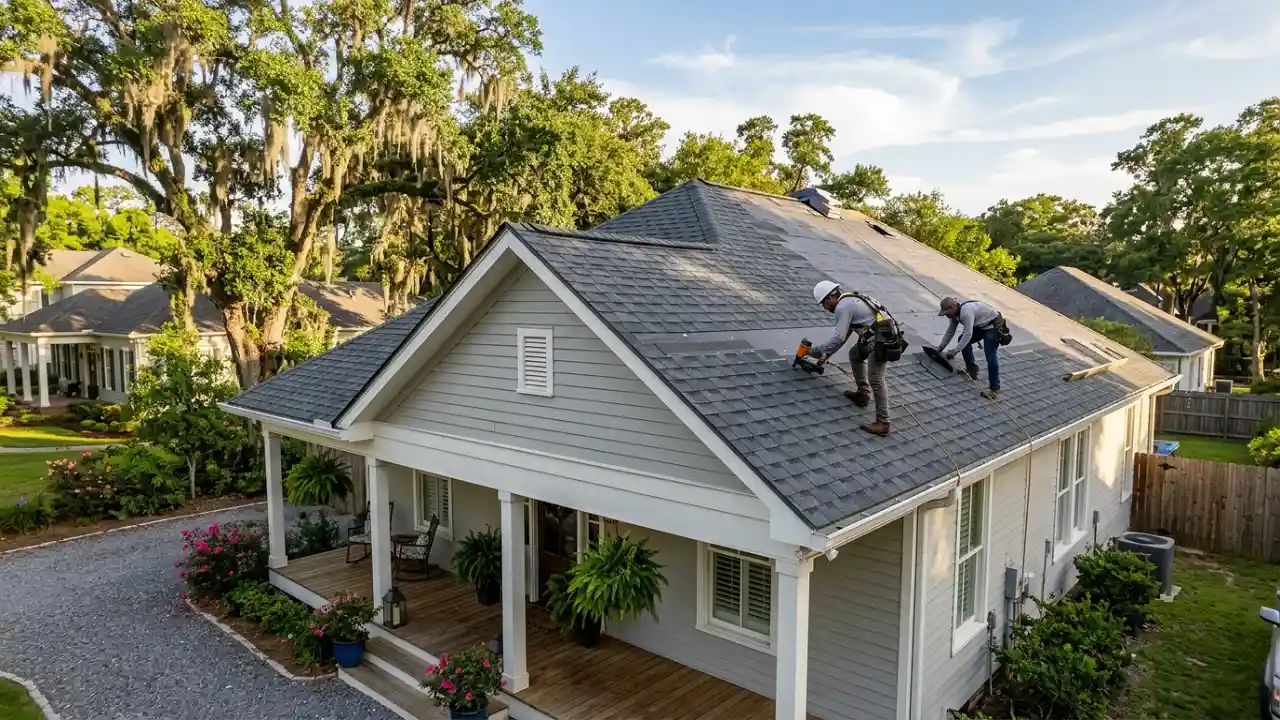
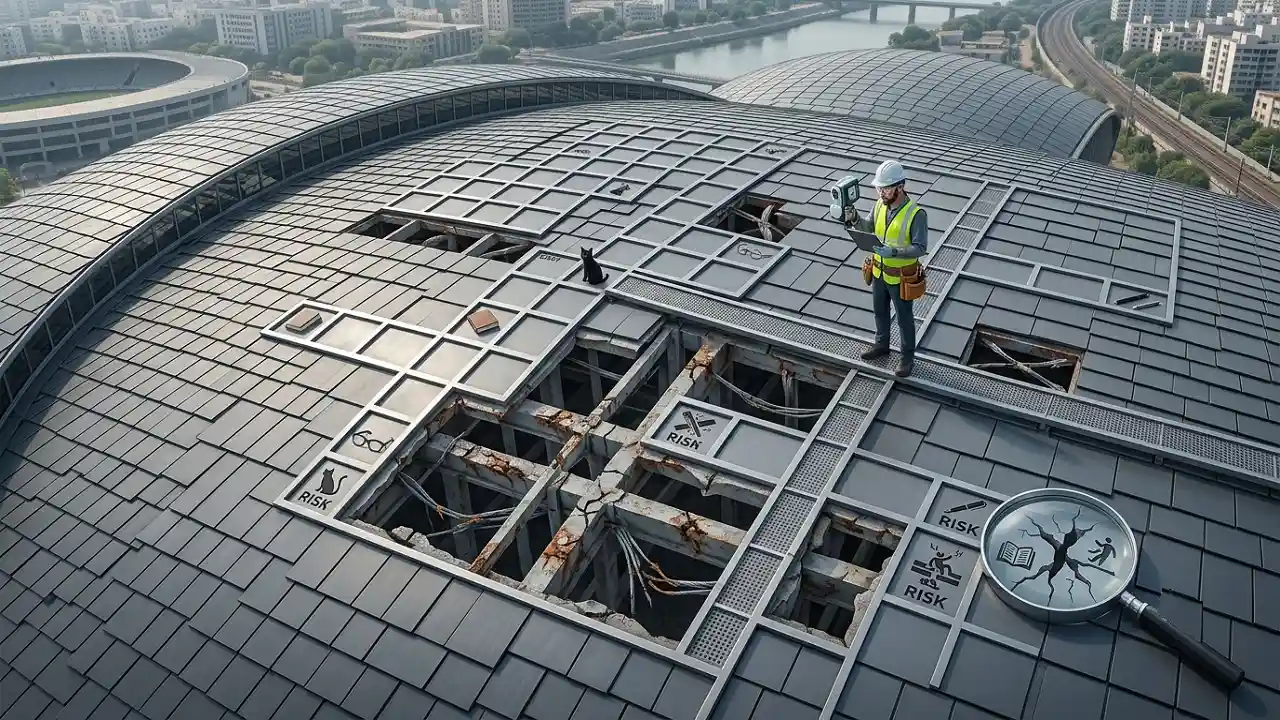
Roof Leaks in Heavy Rain can get very messy and can turn your whole house into a waterlogged home if it pours. Homeowners and home builder have stress and worry when they see water dripping from the sealings when it rains, and worry about damaging the house and about the possible costs that comes with it.
In this report, I will explain the most common reasons and simple solutions that can help keep your roof in top tier condition.
Common Causes
When it’s raining heavily outside, roof leaks can occur because of a variety of other everyday problems. Problems with drainage can spell trouble. When the gutters are clogged, the dirt and leaves obstruct the drainage channels. As a result, water can build up and flow beneath the shingles.

Water can also seep through the cracks in the roof tiles. These cracks are in the chimney and vent flashing and are exposed to the Roof Leaks in Heavy Rain.
The Pipe boot, which is the vent of the plumbing, makes contact with the harshness of the weather and the sun and splits around the open cracks.
Downpours can cascade inside through unsealed cracks. Wind-driven rain can penetrate unsealed gaps resulting from missing tiles and shingles. Valleys of roofs can also trap water. Debris can trap and back up water until the water is directed toward your attic.
Why Roof Leaks in Heavy Rain Worsens Leaks
Because of the volume of water that is present in heavy rain, it increases the magnitude of smaller flaws in the roof and transforms them into worthy problems.
The high water levels aggravate weak spots, causing them to loosen, and water begins to flow into the roof. The abrupt downpour increases the chance of wind driven rain. The lateral rains seem to exacerbate the leaks.
Old roofs lose their flexibility. The Framers of the roof use materials that are brittle because it is a result of years of exposure to the sun and harsh weather.
The new updates that are given by roofers in 2025, will be the result of the changes in the climate and will in fact add to the stress of the roof and will be a cause of the storms if they are not checked regularly.
If the attic is not ventilated, it will build condensation which in spirited and heavy rain will mimic a leaky roof and that will add to the drainage problems
Prevention Steps
Maintenance of the roof occuring regularly, will stop leaks before they have a chance to occur.
To keep your drainage functioning properly, clean your gutters in the spring and fall. Every year, check your flashing and pipe boots. Seal any cracks with roofing caulk.
Reduce the risks of branch damage by trimming overhanging trees. Use rejuvenating coatings to improve the water resistance of your roof, but not full replacements. After storms, inspect your roof to find any problems early.
Signs of Detection
During Roof Leaks in Heavy Rain, look for roof leaks with these clues. If the water stains above them are yellow or brown, that’s an indicator of water coming from above. If your vents are moist, you may have poor valley vents and a musty smell in the attic.

If your floors are warped or the paint near the walls are peeling, that’s more signs of damage. Listen for rain drips; buckled shingles confirm that your roof has been exposed. In your attic look for dark streaks on the rafters and empty insulation.
Table of Potential Repairs
| Issue | Quick Fix | Long-Term Solution | Cost Estimate (USD) |
| Clogged Gutters | Clear debris with scoop | Install gutter guards | 100-300 |
| Cracked Flashing | Apply sealant | Replace metal flashing | 200-500 |
| Worn Pipe Boots | Patch with rubber cement | New boot installation | 150-400 |
| Missing Shingles | Temporary tarp | Full shingle replacement | 300-800 |
| Debris in Valleys | Manual removal | Pro cleaning and sealing | 200-600 |
Repair Methods
If it is safe, you can try to fix small leaks yourself, especially if you don’t have to spend much time on the roof. For nail problems, hammer them and use some roofing cement to seal them up.
You can replace individual shingles by lifting the tabs, nailing in some new ones, and then resealing the tabs.
Call professionals to take care of anything related to flashing or the valleys. The roof replacement is good for old Roof Leaks in Heavy Rain over twenty years, using impact-resistant materials to match the 2025 storm trends. Roof work like underlay upgrades adds waterproof layers that go beneath the tiles.
When to Call Professionals
Besides the small leaks you can fix yourself, you should leave the big roof leaks to the professionals, even if it is raining and the roof is leaking.
If the leaks are spreading across many rooms, or you notice structural rot, you need to call for help fast. Roofing codes after 2025 will require certified installers for any warranty and code compliance.
Experts use thermal cameras to help find leaks that are hidden and that the dry Roof Leaks in Heavy Rain may be missing. When it comes to replacing roofs, it is best to go with contractors who have experience with storm damage. The full inspection will be from the attic to the eaves.

Keeping Your Roof Safe for the Future
You can set up roof maintenance plans for inspections and cleanings each year. Special coatings for roof rejuvenation can extend the life of your roof by sealing out the heavy rains. For better, clearer, and dryer airflow, there is less condensation Add soffit vents.
Smart tech like leak detectors alerts phones during storms. In heavy rain zones, opt for metal roofs that shed water better than asphalt. Track local weather patterns to prep ahead.
Roof Leaks in Heavy Rain, but knowing why roof leaks in heavy. Simple steps like cleaning and sealing your roof can avoid thousands in damage. For a safe dry home year round stay proactive with inspections.
For More Roof Repair and Maintenance Visit Classic Roofing Restoration Page