Introduction
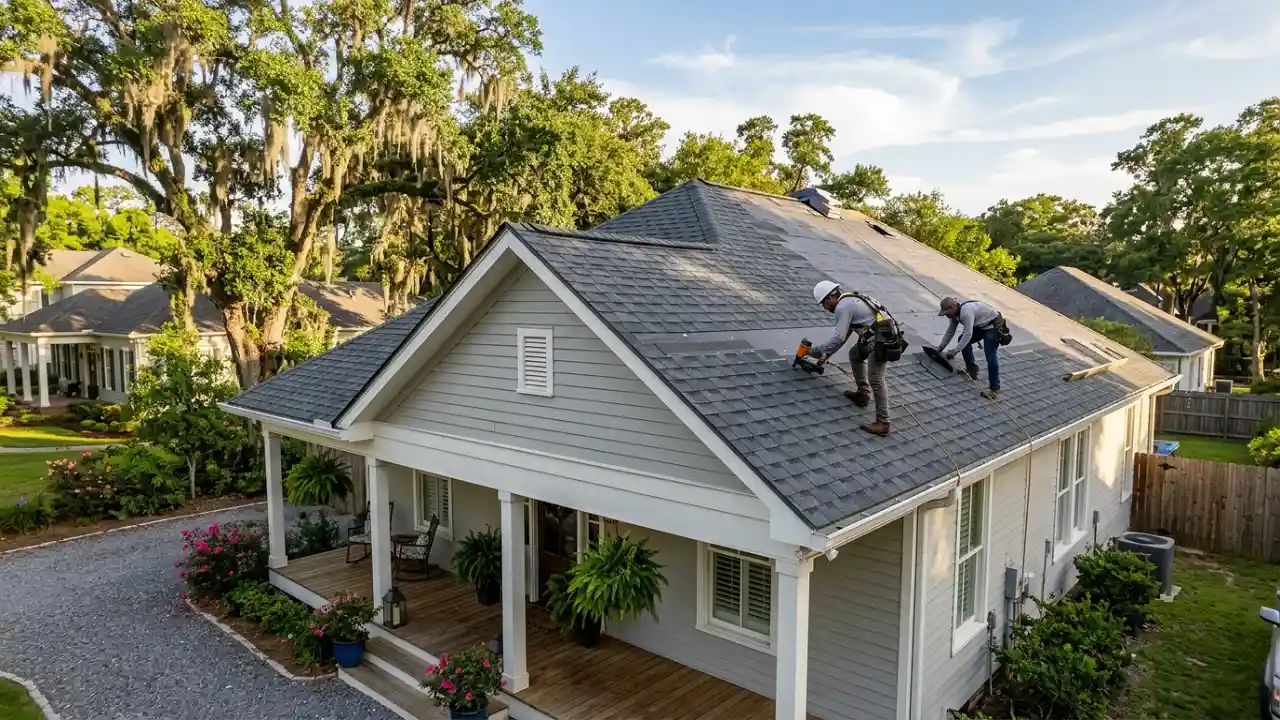
In residential construction, house eaves are often overlooked features, yet they provide significant structural protection, gain, and beauty to a building. They are the edges of the roof that extend beyond the exterior walls, serving several functions that go beyond aesthetics.
Beyond providing temperature control and energy efficiency, Eaves of a House also enhance the home’s curb appeal. This article discusses eaves of the house focusing on their functions, types, benefits, maintenance, and all in simple terms so that construction stakeholders may appreciate their relevance in construction today.
What Are House Eaves?
House eaves are the outer sections of the roof that extend beyond the wall. Their primary function, as part of the roof, is to shelter the house from rain, snow, and hot sun.
This also renders the building’s walls and foundation less susceptible to erosion. In addition, eaves reduce the energy spent in cooling the house because shaded walls and windows on the house regulates the indoor temperatures.

Functions of House Eaves
The house eaves functions are critical toward the confort, security and appearance of a home.
- Weather Protection: Eaves control rain, guiding the water away from walls and the foundation, therefore protecting the building from water-related damage, erosion and moisture infiltration. This prevents the building from a lot of issues such as: mould, mildew and foundation damage.
- Energy Efficiency: Eaves also reduce the amount of sunlight that hits the house during the hot months, lowering cooling costs. During the cold months of the year, the eaves also help reduce the snow buildup on the roof’s edge, which prevents the formation of ice dams.
- Ventilation: Eaves are equipped with soffits which allow for the air to come into the attic, therefore decreasing the moisture as well as regulating the temperatures inside the attic. This types of ventilation which is usually called “attic ventilation” helps the house eaves by reducing the amount of mould growth and the life span of the roof.
- Aesthetic Appeal: Eaves help to frame the edge of the Roof maxx reviews which helps to give depth, and adds character to the home’s exterior. Eaves can be styled in modern or traditional styles which adds to the appearance and curb appeal of the house.
Types of House Eaves
Based on the architectural design, climate of the area, and the design of the roof, house eaves differ in style. The more common types are:
| Type of house eaves | Description | Benefits |
| Closed Eaves | The underside is covered without ventilation | Better for modern homes, clean look |
| Open Eaves | Exposed rafters visible below the roof overhang | Traditional style, allows airflow |
| Boxed Eaves | A box-like structure with soffit covering | Combines ventilation & aesthetics |
| Flying Eaves | Curved or extended beyond the walls, often in Asian architectures | Decorative and functional |
Why Are Eaves Important for Home Construction?
Protection from Water Damage
Every home faces the risk of water damage, but the risk eaves can help reduce significantly. Eaves are instrumental in redirecting rainwater from running down walls and collecting around the foundation of the house.
Without eaves, water can cause timber damage, cracking, and foundational issues. Eaves that are ventilated and constructed properly together with gutters prevent water from harming the structure, maintaining the integrity of the building.

Energy Savings and Comfort
Eaves also reduce the need for air conditioning by keeping the house cool during the summer, which in turn lowers energy bills.
They also assist in controlling the snow and ice build up during the winter on the Gambrel Roof which means preventing ice dams that can lead to leaks and damage.
Enhance Ventilation and Prevent Mould
Eaves that are ventilated with soffit vents provide the attic with fresh air which prevents the moisture build up and mould.
Proper ventilation helps in maintaining the quality of the air in the house and increases the longevity of the roof.
Enhance Home Aesthetics
The roofline with balanced and dimensioned features appears visually appealing for the house. Moreover, there is room for complementary detail on the roof, which can range from classical to modern.
Suggested Maintenance for Eaves and House Trim
The eaves and trim of the house need to be maintained to ensure they do their work effectively. Important maintenance tasks include:
- Gutters and downspouts need to be checked and cleaned regularly to prevent blockage.
- Eaves and fascia boards need to be checked for any damage or rotting.
- Soffit vents need to be checked for airflow to ensure ventilation.
- Wood needs to be protected from ree weather by repainting or sealing to avoid damage.
- Promptly fix any loose or broken structures for housing eaves.

Summary of the Maintenance and Benefits of Eaves
| Aspect | Importance | Maintenance Tips |
| Water Protection | Directs water away from walls and foundation | Clean gutters; inspect for damage |
| Energy Efficiency | Provides shading, lowers cooling costs | Check for proper soffit vent function |
| Ventilation | Prevents moisture buildup and mold | Ensure soffit vents are clear and open |
| Aesthetic Appeal | Enhances architectural style | Repaint/repair decorative trims |
| Structural Health | Protects roof edges, prevents leaks | Inspect and repair damaged parts |
Final Thoughts
They protect from water damage, improve ventilation and energy efficiency, enhance the beauty of the home, and contribute to energy savings.
Overlooking their value can lead to expensive repairs and discomfort. Fully any homeowner or builder should ensure there is good design, proper installation, and regular maintenance scheduled.
With well-designed eaves, their value can be long-lasting. They can help ensure a home is safe, energy-efficient, durable, and attractive. House eaves are the hidden champions of construction that deserve more recognition.
For More Roof Repair and Maintenance Visit Classic Roofing Restoration Page