
TPO Roof Repair provide homes and businesses with unparalleled protection and energy efficiency. Adequately repairing TPO roofs enables these systems to function for decades. This article discusses repairing and maintaining TPO roofs and other issues based on new information up to 2025.
What is TPO roofing?
TPO roofing is an abbreviation for thermoplastic polyolefin, a versatile single-ply membrane for flat or low-sloped roofs. It incorporates both rubber and plastic to provide flexibility, UV resistance, and a white color to reflect heat, thus lowering cooling costs. Depending on the thickness and quality, these roofs can last 15 to 30 years with proper maintenance. Premium options slated for 2025 will feature improved UV stabilizers to extend lifespan further.
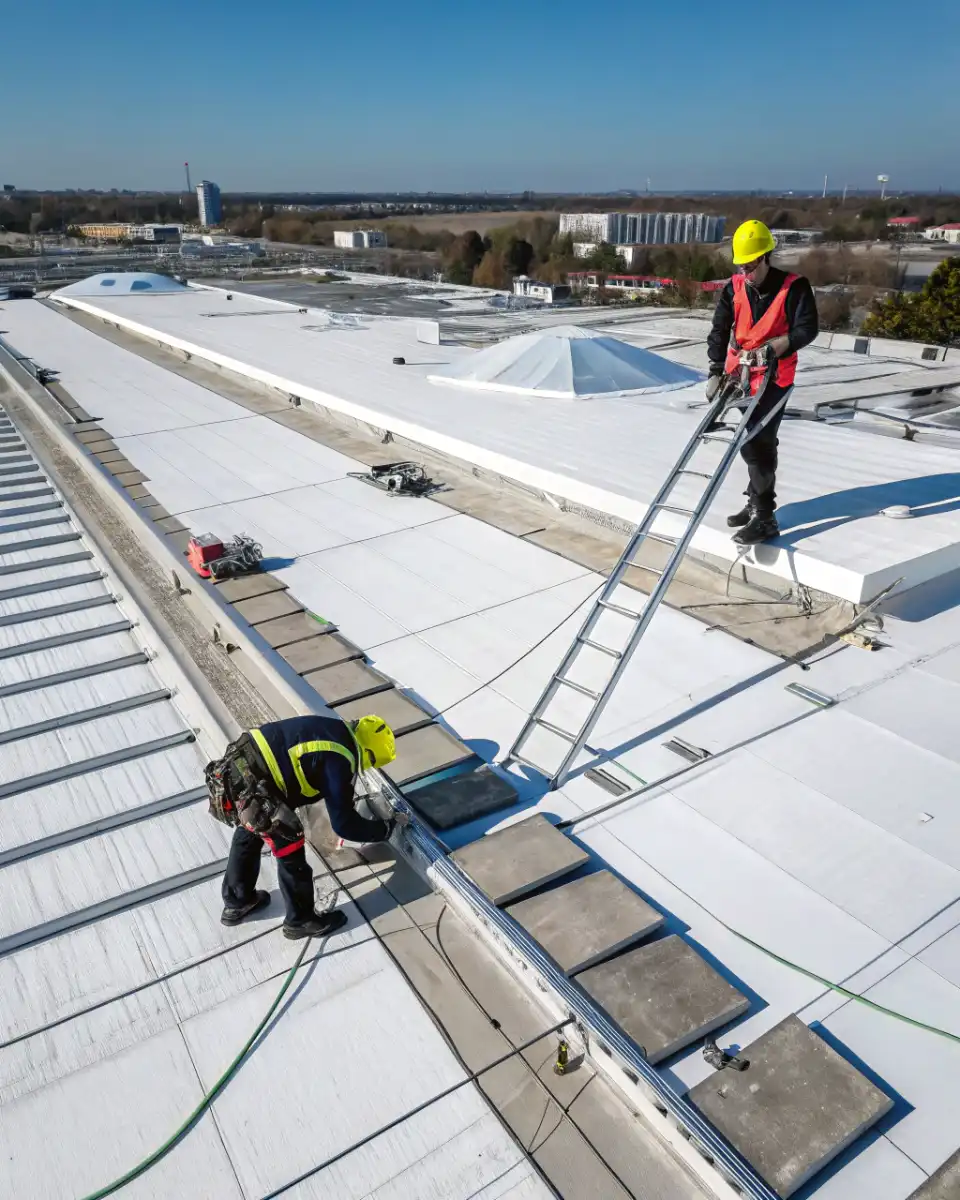
Common TPO Roof Repair Problems
TPO Roof Repair can face issues due to environmental elements, foot traffic, and weather, as well as the quality of the initial installation. Weak membrane punctures or tears can occur due to branches or rake roof falling on the surface during maintenance. There may also be failures in seam welds, which can be problematic for waterproofing as over-time welds can fail.
Certainly, water pooling or ponding may accumulate on flat areas if an adequate slope is not available, which also puts additional strain on the roof and can lead to leaks. UV rays can also fade surfaces, while shrinking and bubbling will separate seam bonds. Many other issues can arise due to poor installation such as the materials not being securely fastened or loose perimeters.
Smart Fixes for TPO Roof Repair
Having a clean work area is important, so the first step of all roof repairs is to properly clean and remove all the dirt for maintenance to ensure strong bonded materials.
For punctures, a fitting patch measuring 2 inches bigger than the punctured hole is to be done, primed and heat fused into place. Seam issues ought to be re-welded with a hot air gun along with overlap patching. Always overlap patches.
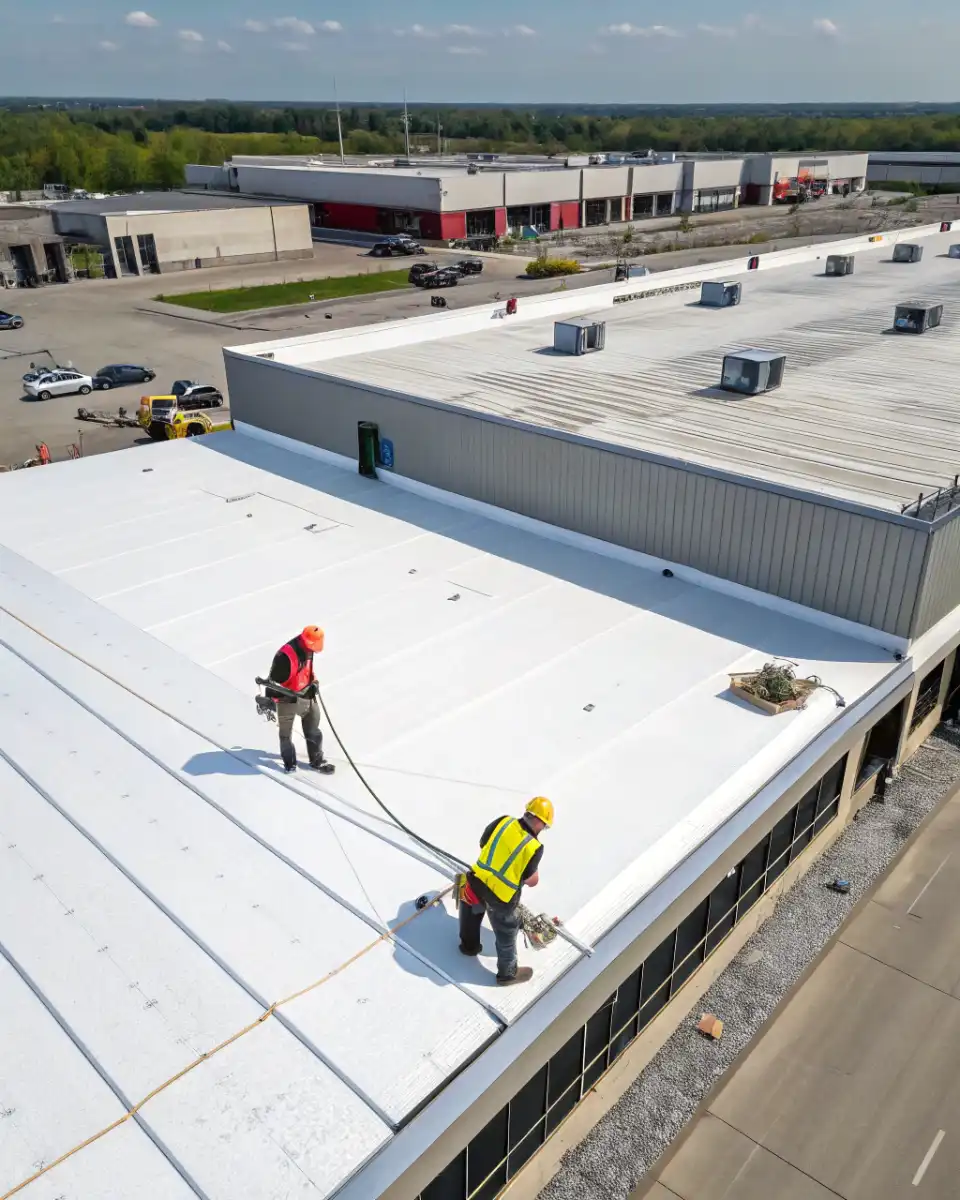
Mitigate potential roof ponding issues by ensuring batter, more efficient drainage and hot air welded seams. Utilize TPO on all patching and attachments and check at PM intervals. Ventilation issues and large surface repairs (membrane surface) are pro scopes of work to mitigate opening the roof to additional damage.
| Problem | Quick Fix | Tools Needed | Avg. Cost (2025) |
| Punctures/Tears | Heat-weld patch | Hot air gun, TPO patch, primer | $350-$1,000 |
| Seam Failure | Re-weld with overlap | Welding equipment, seam tape | $450-$1,500 |
| Ponding Water | Improve drainage/slope | Drain tools, sealant | $500-$2,000 |
| Shrinking/Bubbling | Replace section | Utility knife, roller | $1,000+ |
For 2025 and moving forward roof maintenance
Inspect for seam, flashing and drainage issues biannually, or after any adverse weather events. High reflectivity is to be maintained by periodic low soap pressure/pad roof cleaning, ~ 3 months. Bleach and power wash are not advised. 2025 will inspire a 5 yearly infrared scan. These are used to locate moisture at the roof interface plane.
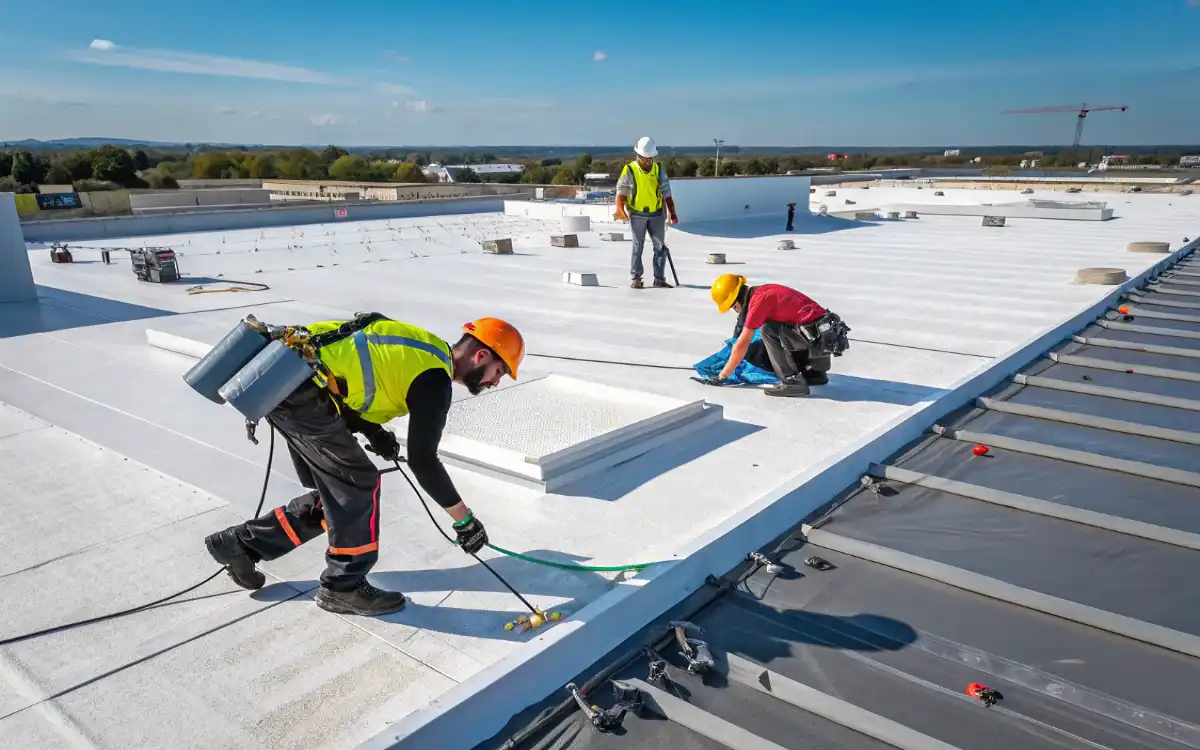
In the case of trees near the rake or roof edge on gambrel roof styles, punctures are a high risk and as such, should be maintained by regular yearly probe testing on the seams to self-actuate the detection of lift before leak formation. Torque testing on fastenings are advised by roof installers for ensuring longevity of the connections.
Considerations for contacting roof installers
Small TPO roof repair spots are better suited to DIY, but large areas and warrantied work are the professional shining. Estimated costs ~ 350 to 2500 depending on damage, forecast 12 to 17 dollars per square foot for complete installs for 2025 priced at best value. Professionals from the roof work certified will be advised for completion given the material and expertise advancements in 2025.
Cost section
For renovation savings are incurred by repair rather than full replacement.
Thermoplastic Olefin (TPO Roof Repair) membrane roofing systems cost between $8 to $15 per installed square foot. The thicker 60 to 80 mil membranes last an additional 20 to 30 years with warranties of an additional 15 to 30 years. Early repairs keep reflectivity strong, and therefore lower energy costs.
In Conclusion
TPO Roof Repair systems resolve punctures and seam issues on roofs that last decades. Continual monitoring and intelligent repairs prevent deterioration. Mitigate issues to maintain your roof and save costs.
For More Roof Repair and Maintenance Visit Classic Roofing Restoration Page


