When planning a new roof installation or replacement, one of the most critical decisions you’ll make involves the roof pitch. This fundamental architectural element affects everything from your home’s curb appeal to its ability to withstand weather conditions. Whether you’re a homeowner, contractor, or architecture enthusiast, understanding typical roof pitch specifications can help you make informed decisions about your roofing project.
What is Roof Pitch?
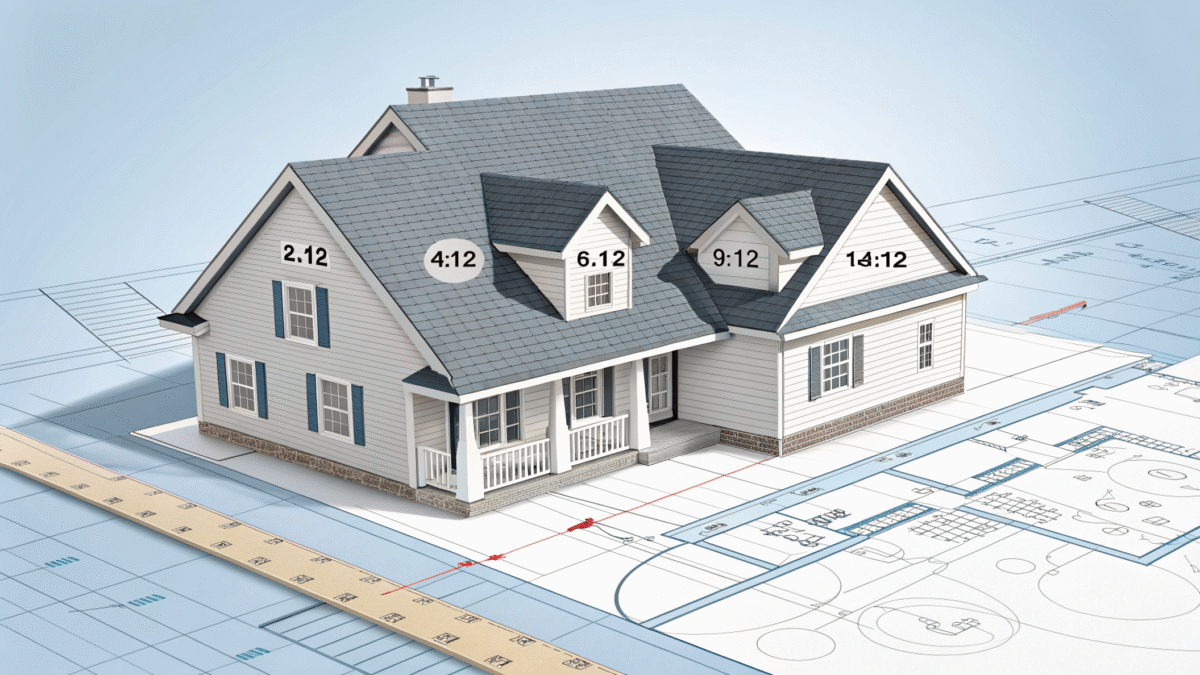
Typical Roof Pitch refers to the steepness or slope of a roof, measured as the vertical rise over a horizontal span. In the United States, roof pitch is typically expressed as a ratio, such as 4:12, which means the roof rises 4 inches for every 12 inches of horizontal run. This measurement is crucial because it determines the roof’s functionality, drainage capability, and overall aesthetic appeal.
The pitch of a roof is more than just a design choice—it’s a practical consideration that impacts water drainage, snow load capacity, attic space, and even the types of roofing materials you can use. Understanding these factors can save you money and prevent costly mistakes during construction or renovation.
Common Roof Pitch Ranges
Roof pitches are generally categorized into three main groups: low-slope, medium-slope, and steep-slope roofs. Each category serves different purposes and works best in specific climates and architectural styles.
Low-Slope Roofs (2:12 to 4:12)
Low-slope roofs have a gentle incline and are commonly found on modern homes, ranch-style houses, and commercial buildings. These roofs typically range from 2:12 to 4:12 pitch. While they offer a contemporary aesthetic and are generally more affordable to construct, they require careful waterproofing since water drains more slowly. Low-slope roofs work well in areas with minimal rainfall and snowfall, though proper drainage systems are essential to prevent water pooling.
Medium-Slope Roofs (4:12 to 9:12)
Medium-slope roofs represent the most typical roof pitch found in residential construction across North America. Pitches ranging from 4:12 to 9:12 offer an excellent balance between functionality and aesthetics. The most common residential roof pitch falls within the 4:12 to 6:12 range, with 5:12 being particularly popular.
These moderate pitches provide adequate water drainage, accommodate most roofing materials, and offer reasonable attic space for storage or potential living areas. They’re also easier and safer for contractors to work on compared to steeper roofs, which can reduce installation costs. Medium-slope roofs suit most architectural styles and perform well in diverse climate conditions.
Steep-Slope Roofs (9:12 and Higher)
Steep-slope roofs, with pitches of 9:12 or greater, are commonly found on Victorian homes, A-frame structures, and buildings in areas with heavy snowfall. These dramatic slopes excel at shedding water and snow quickly, making them ideal for regions with harsh winters. The steep angle also creates generous attic space that can be converted into living areas.
However, steep roofs require more materials, increasing construction costs. They’re also more challenging and dangerous to work on, which can raise labor expenses. Additionally, not all roofing materials are suitable for very steep pitches, as some may slide or fail under extreme angles.
Regional Variations in Typical Roof Pitch
Climate plays a significant role in determining typical roof pitch standards across different regions. In areas with heavy snowfall, such as the northern United States and Canada, steeper pitches (6:12 to 12:12) are common because they prevent dangerous snow accumulation that could stress the roof structure.
Conversely, regions with mild climates and minimal precipitation, like parts of the Southwest, often feature lower-pitched roofs (3:12 to 4:12). These areas don’t face the same drainage challenges, making gentler slopes more practical and cost-effective.
Coastal regions prone to hurricanes may use moderate pitches (4:12 to 6:12) that balance wind resistance with water drainage. Local building codes often reflect these climate considerations, mandating minimum pitch requirements to ensure structural safety.
Factors Influencing Roof Pitch Selection
Several important factors should guide your roof pitch decision beyond aesthetic preferences.
Weather and Climate Conditions
Your local climate is perhaps the most critical factor. Heavy rainfall requires sufficient pitch for proper drainage, typically at least 4:12. Snow-prone areas benefit from steeper pitches that allow snow to slide off naturally, preventing structural damage from excessive weight.
Roofing Material Compatibility
Different roofing materials have minimum pitch requirements. Asphalt shingles, the most popular residential roofing material, typically require at least a 2:12 pitch, though 4:12 is recommended for optimal performance. Clay and concrete tiles need steeper pitches, usually 4:12 or greater. Metal roofing can work on lower pitches but performs best at 3:12 or steeper. Always verify manufacturer specifications before selecting materials.
Architectural Style
Your home’s architectural style naturally suggests appropriate roof pitches. Colonial and Cape Cod homes traditionally feature steeper roofs (8:12 to 12:12), while contemporary and modern designs often incorporate lower pitches (2:12 to 4:12). Matching your roof pitch to your home’s architectural character ensures visual harmony and maintains property value.
Budget Considerations
Steeper roofs require more materials and labor, increasing costs significantly. If budget is a concern, a moderate pitch (4:12 to 6:12) typically offers the best value, providing good functionality without excessive expense.
Conclusion
Choosing the typical roof pitch for your home requires balancing aesthetic preferences, climate considerations, material compatibility, and budget constraints. Most residential homes feature pitches between 4:12 and 6:12, offering versatility and proven performance across various conditions. By understanding these fundamental principles, you can work confidently with contractors to select a roof pitch that protects your investment while enhancing your home’s appearance for years to come.