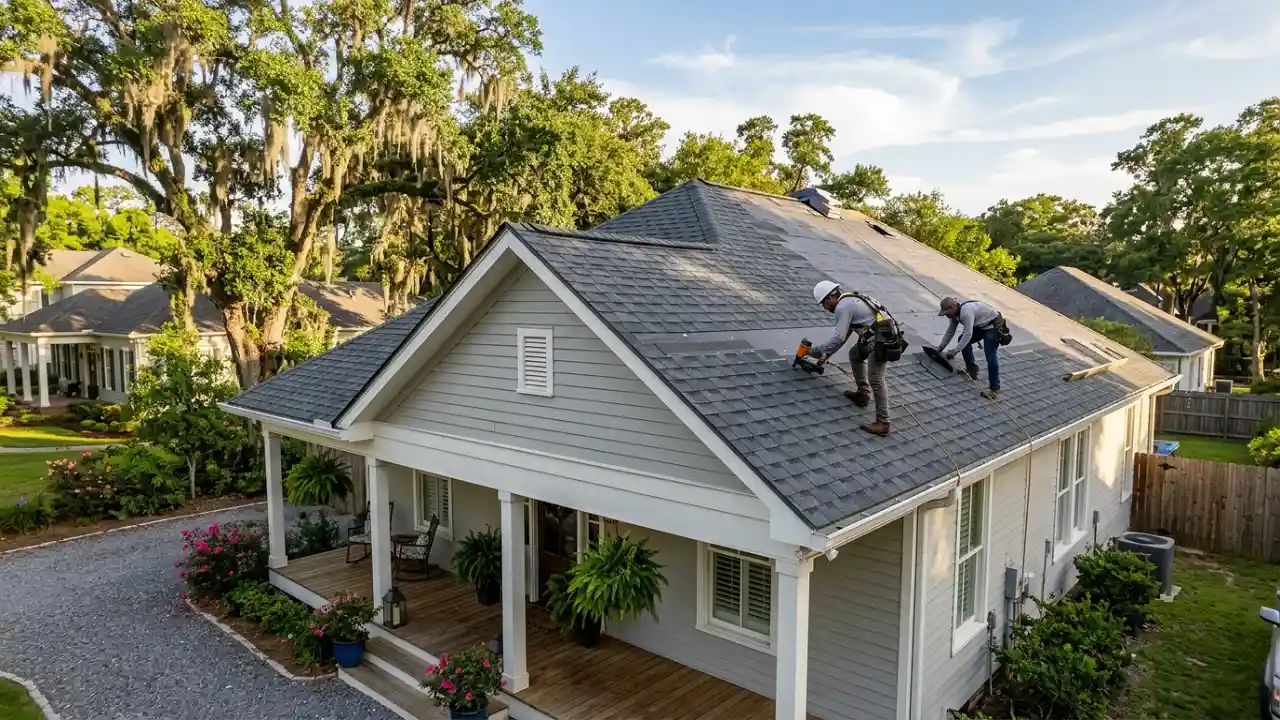
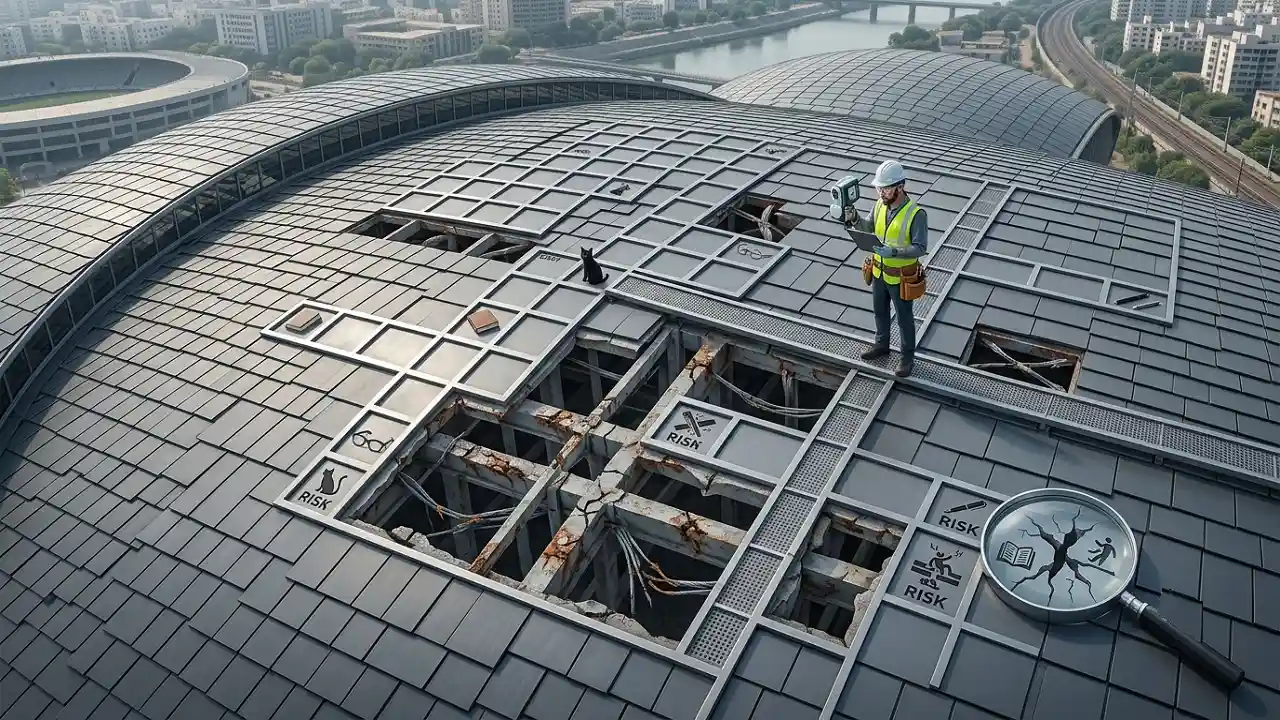
A sudden bump in the mouth roof transition area signals immediate structural danger for your property.
This underlying shingle distortion compromises your entire moisture barrier during severe weather events.
Failing to address this buckling hazard leaves your home highly vulnerable to extensive internal water damage.
Property owners must recognize that surface anomalies are rarely just cosmetic concerns.
How Long Do Roofs Last? Signs Your Roof Is Near the End
- Early Detection Saves Capital: Identifying moisture-driven shingle buckling prevents complete deck replacement.
- Insurance Alignment: Documenting transition-zone damage ensures comprehensive coverage under standard storm restoration policies.
- Material Interdependency: High-quality underlayments resist thermal blistering far better than standard felt paper.
What exactly is a bump in the mouth roof anomaly?
Our field inspections reveal that a bump in the mouth roof protrusion usually develops when trapped solar vapor boils beneath organic shingle mats.
This specific deformation occurs most frequently where valley flashings discharge into a lower eave or gutter line.
Roofing industry insiders are noting an uptick in these failures due to rapid thermal expansion cycles.
When temperature drops sharply at night, the metal valleys contract at a vastly different rate than the surrounding asphalt material.
When a property owner reports a bump in the mouth roof deformity, our public adjuster liaisons immediately look for compromised ice and water shields.
Inadequate ventilation underneath the roof deck causes localized humidity to spike dramatically.
This moisture has nowhere to escape, forcing the asphalt layers to detach and swell outward.
The resulting blister creates a perfect pocket for insects and rot-inducing microbes to flourish.
According to the latest technical bulletins from the Asphalt Roofing Manufacturers Association (ARMA), improper fastening at roof valleys accelerates material distortion.
If your system lacks a properly installed drip edge, water backs up under the starter strip.
This creates an uneven surface lift that resembles a distinct swelling along the roof edge.
We found that skipping simple installation steps leads directly to premature system degradation.
Understanding the 3/12 Roof Slope Plumb Cut: A Complete Guide for Roofers and Homeowners
How will this impact your next roof repair budget?
Ignoring a bump in the mouth roof symptom can accelerate wood rot across your entire decking layout.
Our project managers note that localized repairs are vastly more affordable than full structural deck remediation.
We found that utilizing premium materials like GAF or Owens Corning shingles guarantees superior thermal stability.
Investing in quality materials upfront shields your long-term maintenance budget from unexpected spikes.
The overall cost depends heavily on whether the underlying plywood substrate has sustained structural rot.
If the decking remains dry, our teams can simply replace the localized area and upgrade the ventilation.
The following table outlines the typical cost expectations based on current market data across our service zones.
Our analysis suggests that acting within thirty days of discovery prevents these costs from doubling.

| Repair Scope | Material Specification | Estimated Longevity | Cost Impact |
| Localized Buckle Patch | Standard Architectural Shingles | 5 to 10 Years | Minimal |
| Valley Transition Rebuild | Premium GAF Timberline Shingles | 20+ Years | Moderate |
| Structural Deck Replacement | Owens Corning + New Underlayment | 30+ Years | High |
Repairing a bump in the mouth roof imperfection early prevents catastrophic interior ceiling leaks.
If you’ve been following exterior maintenance news across our service areas, this won’t come as a surprise.
Proactive maintenance consistently yields a higher return on investment than reactive emergency mitigation.
A small structural correction today protects the interior drywall, insulation, and electrical systems below.
How Roof Repair Contractors Diagnose Hidden Damage
What does this mean for local property owners after a storm?
If you notice a bump in the mouth roof swelling after a severe weather event, document it immediately for insurance purposes.
High winds can lift unsealed shingle tabs, allowing wind-driven rain to infiltrate the valley system.
The National Roofing Contractors Association (NRCA) emphasizes that storm-induced uplift requires professional evaluation to verify structural integrity.
Our public adjuster team frequently collaborates with insurance carriers to prove that these distortions are storm-related.
Our analysis suggests that identifying a bump in the mouth roof defect early saves thousands in emergency mitigation fees.
We recommend a strict protocol when evaluating your property for this specific type of storm damage.
Always prioritize safety and contract verification before authorizing any physical repair work on your slope.
Property managers should never attempt to climb a damaged slope without professional support.
Step-by-Step Storm Damage Inspection Protocol
- Conduct a Ground-Level Assessment: Use binoculars to inspect the valleys and eave lines from the safety of your yard.
- Check for Interior Clues: Inspect your attic space with a high-powered flashlight for signs of dripping water or mold.
- Review Local Weather Data: Verify recent wind and hail reports via the National Oceanic and Atmospheric Administration (NOAA) to support your insurance claim.
- Deploy Qualified Professionals: Ensure inspectors wear proper specialized safety gear, including harness systems and high-traction footwear.
- Verify Code Compliance: Ensure your contractor cross-references local building codes with FEMA Mitigation Guidelines for wind-resistant roof assemblies.
How can preventative maintenance eliminate these structural failures?
Our field teams observed that clean gutters drastically reduce the occurrence of lower slope distortions.
When debris blocks the eave area, water pools backward under the lower shingle courses.
This creates a chronic moisture trap that destroys even the most durable asphalt matrices over time.
Regular gutter clearing remains the simplest way to extend the lifespan of your valley assemblies.
Enforcing a biannual inspection schedule ensures your roof ventilation system remains entirely unobstructed.
Proper airflow lowers attic temperatures, which mitigates the extreme thermal expansion that creates physical surface bumps.
Investing in routine maintenance preserves the strict warranty requirements set by major manufacturing brands.
A well-ventilated attic system protects your shingles from cooking from the inside out.
The Benefits of Professional Roof Installation vs. DIY
Addressing a bump in the mouth roof risk ensures your property remains resilient for decades to come.
We are dedicated to providing the technical expertise required to navigate complex storm damage claims seamlessly.
Reach out to our experienced team today to secure a diagnostic evaluation of your roofing system.
For More Roof Repair and Maintenance Visit Classic Roofing Restoration Page