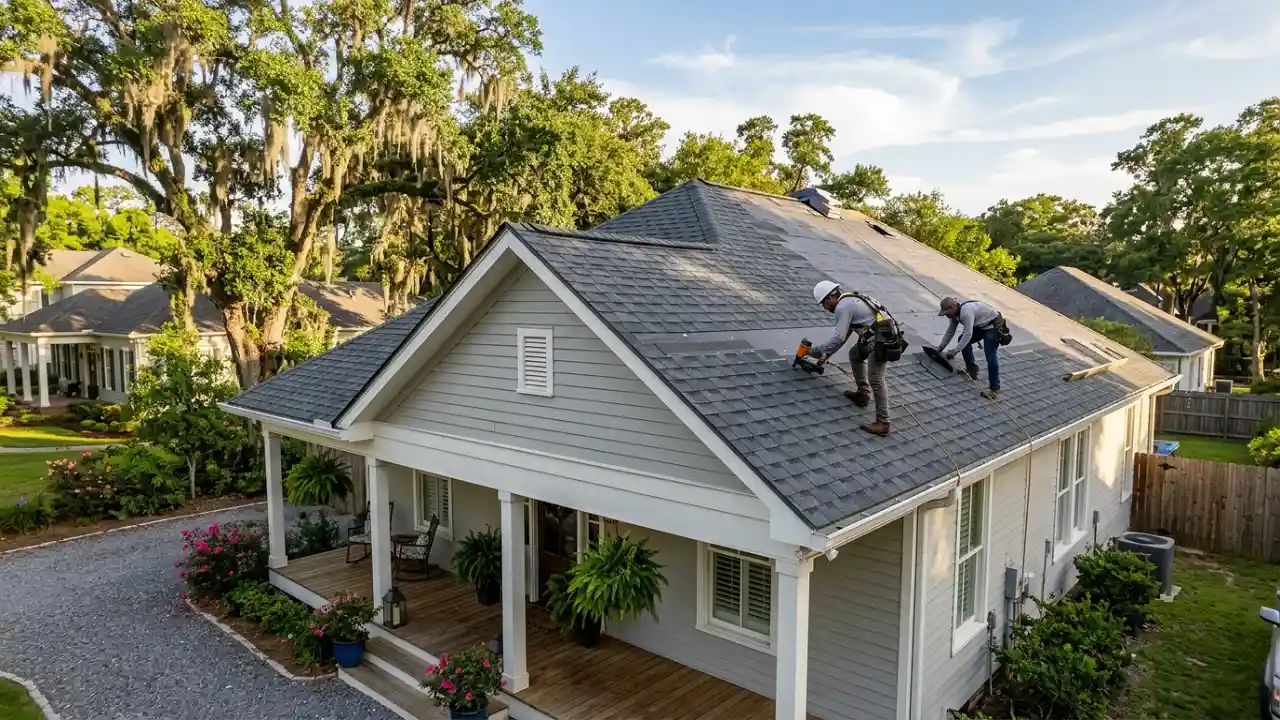
A pitched roof is an angled roof that helps eliminate any issues with water and snow build-up through a sloped system. This roof system is popular in 2025 because of how stylish and durable it is in a variety of climates.
Definition and Basics
A pitched roof consists of sloped sides that channel rainaway, unlike flat roofs that hold water. The roof’s angle, often describes as the rise over run, ensures fast draining to to reduce the risk of leaks.
This is necessary in rain-heavy climates like India because it prevents pooling and increases the lifespan of the roof.
Both homes and commercial buildings can have pitched roofs. They perform better in high wind situations and storms due to their design that helps reduce wind drag.

The 2025 NHBC Standards places emphasis on the moisture specific to pitched roofs, and the appropriate materials, to promote proper ventilation.
Key Benefits
Pitched roofs offer strong protection against the weather. Their angle lets snow slide off and water drain fast, lowering the risk of rotting. They boost energy savings through better airflow.
Hot air escapes easily, cutting cooling needs, while insulation fits well under slopes. Homeowners in 2025 favor them for longevity- up to 50 years with slate or clay tiles- and low upkeep.
Extra space is often found in attics. Lofts can be easily transformed into rooms without adding floors. This increases home value as well as adding curb appeal.
Common Types
Pitched roofs are available in many designs to cater to different needs.
Gable roofs have two slopes meeting at the top. They are simple and very common.
Hip roofs slopes on all four sides. They are more stable in the wind. The gambrel roof also has slopes but they are steeper on the lower half. This helps maximize attic space like in barns. Mansard roofs have double slopes on all sides and are great for adding height.
Modern mono-pitch roofs have a sleek design and involve tilting the roof one way. each roof design fits the climate. A steeper mono pitch roof is better for heavy snowfall and a milder pitch roof helps with heavy rain.
Roof Slope Explained
Roof pitch and slope are essentially the same thing. Slope is the steepness of the roof and pitch is the angle. Roof pitch is important for slope drainage and roof structure. Steeper slopes drain better for heavy rain but will need stronger roof framing.
Roof pitch also decides the construction materials to use. Low slope roofs use metal sheets while more steep roofs use tile. Roof slope is calculated as vertical rise per horizontal foot.
A roof with a slope of 4/12 will have a rise of 4 inches for every foot. A preferable slope will help cut costs in water damage repairs.
Potential Issues and Fixes
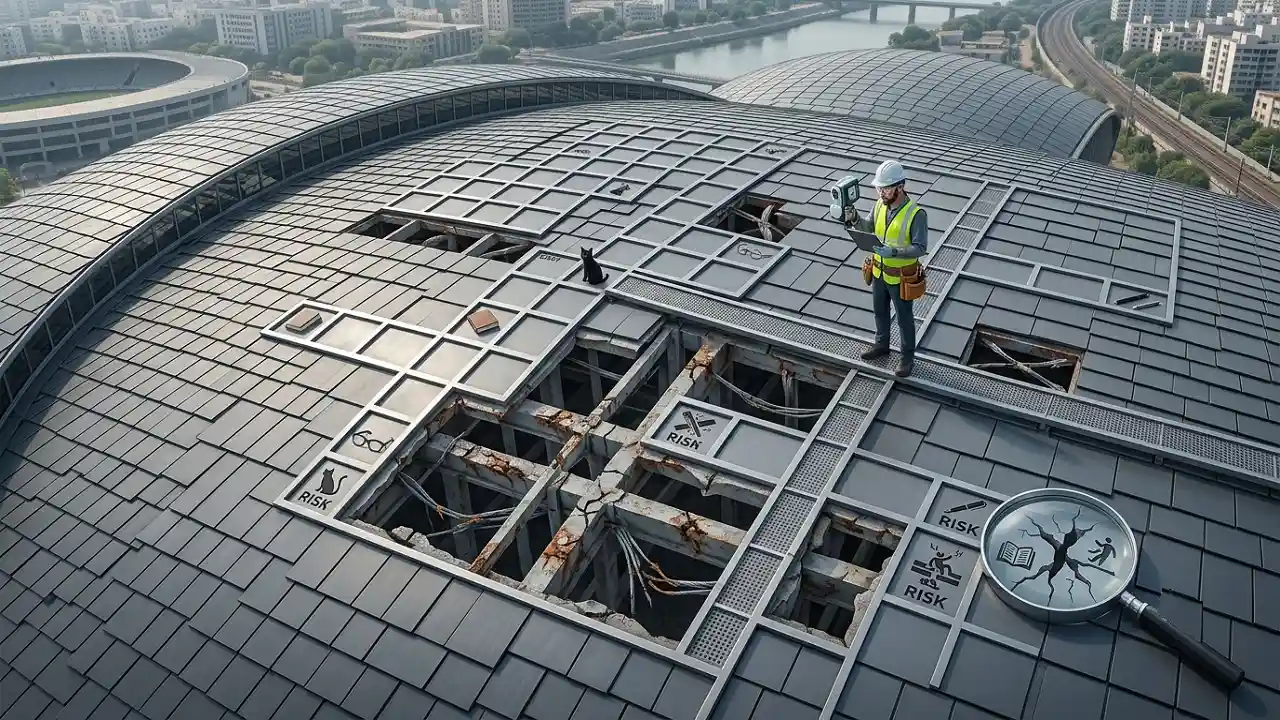
Roof “failure” refers to destruction of a roof pitching design. This is often result of wind. Poor jointed construction is also another cause. Corroded nails and screw gaps in construction have cause 55% of failures in some areas.
Edges of the roof can be lifted in strong wind if anchors are not placed properly. Safety platforms need to be used while installing.
This type of pitch roof construction is steeper than a 55-degree pitch and has quality nails and sealant applied to construction.
2025 Trends and Updates
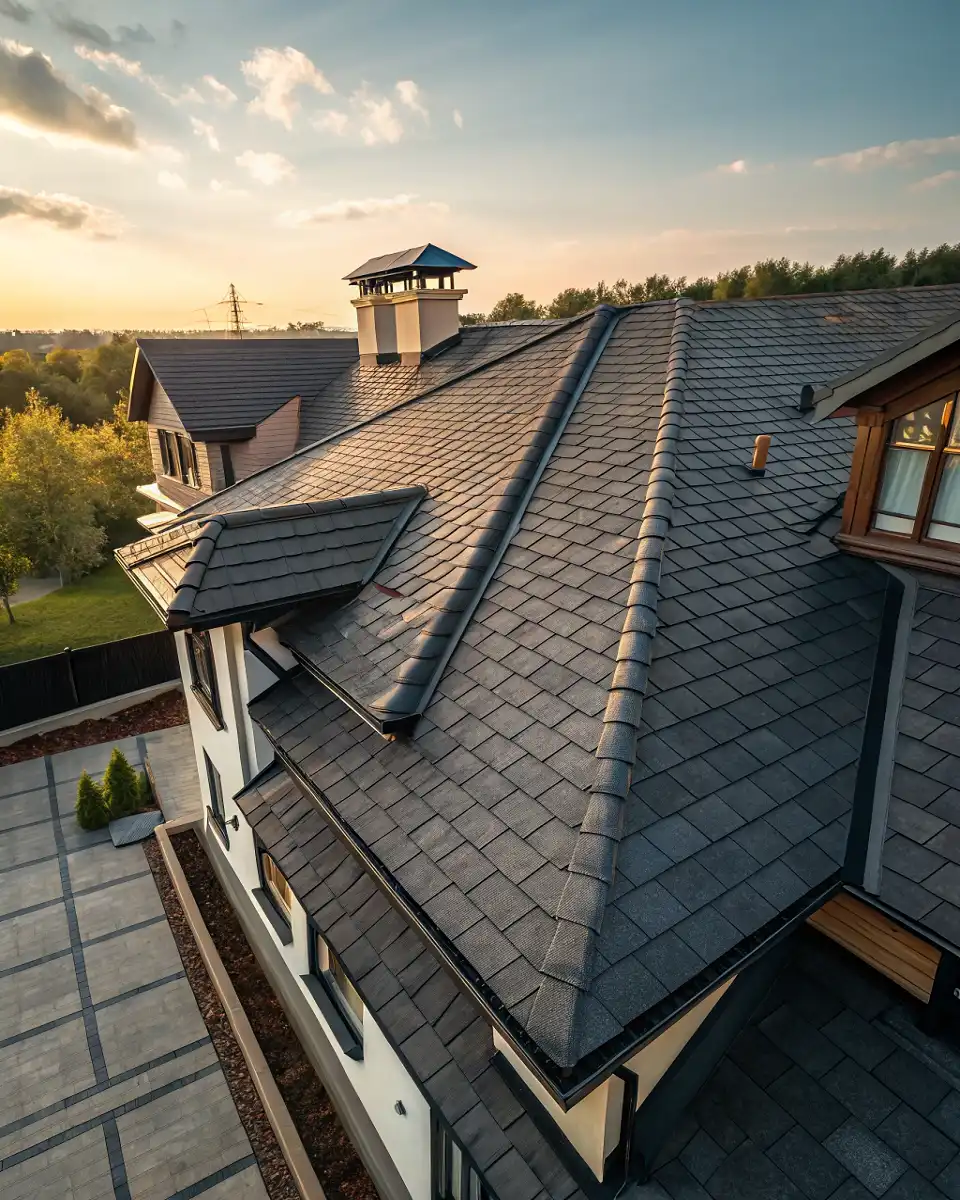
Roof design is “trending green” with recycled shingles made from rubber and plastic. In addition to a roof design solar tiles can be used to blend a roof with elegant power generation.
Modern standards like BS 5534:2018 define roof pitch slope construction and add guidelines and standards surrounding roof vent.
Replacements increase due to weather durability. New styles integrate steep-slope roofs with terraces.
Design Ideas
A timeless design to choose is classically styled clay tile roofs and gables. To allow natural light into a kitchen, pitched roofs and gables, are a perfect style choice with added kitchen skylights.
More modern design choices include butterfly roofs, skillion roofs, and sleek designs with low maintenance metal.
Durable sustainable materials include fire resistant slate with a lifespan of decades.
Types Comparison Table
| Type | Slope Style | Best For | Attic Space | Wind Resistance | Example Use |
| Gable | Two opposing slopes | Rainy areas | Medium | Good | Homes |
| Hip | Four slopes | Windy regions | Low | Excellent | Coastal |
| Gambrel | Double slope per side | Storage attics | High | Fair | Barns |
| Mono-Pitch | Single slope | Modern builds | Varies | Good | Extensions |
| Mansard | Double on four sides | City homes | High | Fair | French style |
The table shows best fits by need.
Materials Guide
Clay and concrete tiles are best protective materials to add to pitched roofs. Metal sheets are sun reflective and durable.

Slate is by far the most waterproof and durable. Look out for laminated slate to be available in 2025 for eco-conscious builds. Choose your material by slope, steep roofs take tiles and for low roofs, use membranes.
Installation Tips for Roof Work
Roof Work, and don’t forget to start with a frame load check. Use dry-fix systems to comply with 2025.
To avoid wind lift, tight edge sealing is necessary. To discourage falls, platforms can be used for safe work at roof slope. Pitch math is for the professionals to prevent major roof design flaws.
Maintenance Advice
For smooth drainage, gutters should be kept clean. Roof surfaces should be ventilated to prevent condensation. Small issues should be fixed as they are discovered to prevent a major roof failure.
Conclusion
Pitched roofs provide long-lasting space, style, and protection.
When considering the 2025 green trends, they perfectly matches contemporary requirements. Pick based on climate and design for optimal outcomes.
For More Roof Repair and Maintenance Visit Classic Roofing Restoration Page