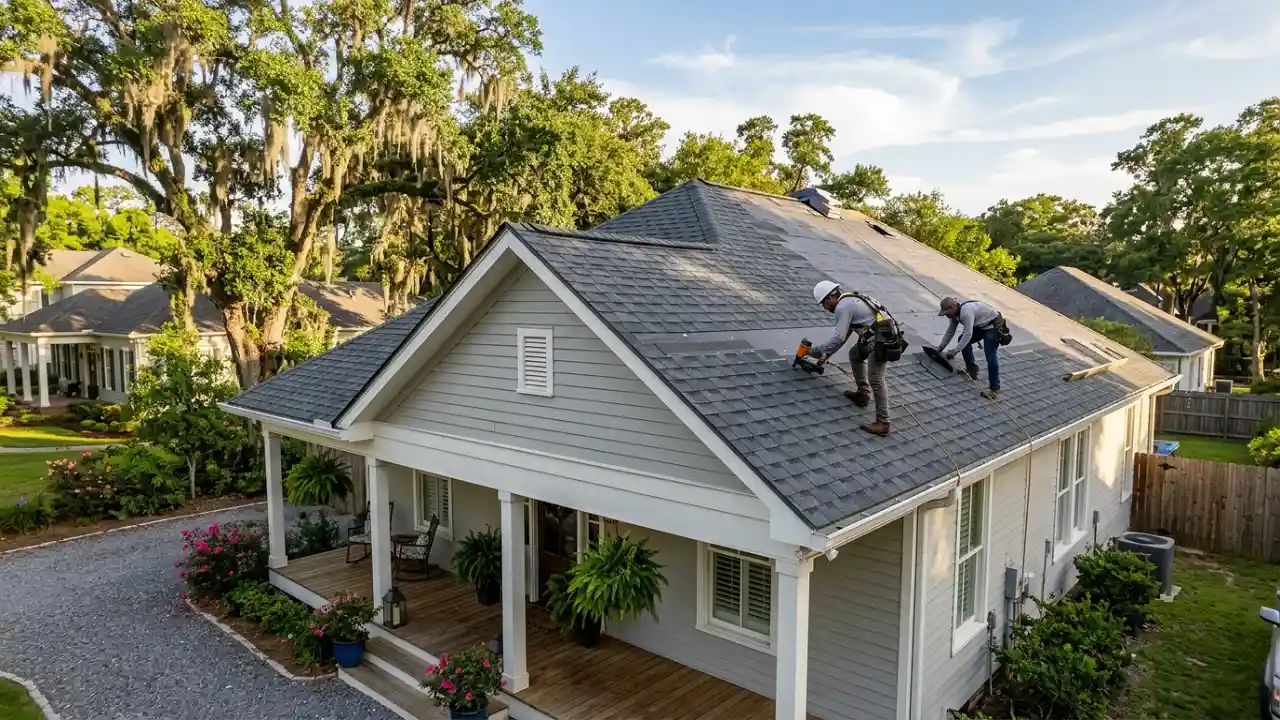
A clean roof is vital not only for your home’s curb appeal but also for its structural health. Over time, roofs accumulate dirt, moss, algae, mold, and other debris that not only look unsightly but can seriously damage roofing materials. This is where roof pressure washing comes in—a highly effective method to clean and maintain your roof properly.
In this guide, you’ll learn what roof pressure washing is, its benefits, how it works, best techniques, safety tips, and why regular cleaning is essential in 2025.
What Is Roof Pressure Washing?
Roof pressure washing, also called power washing, involves spraying your roof with high-pressure water jets to remove grime, moss, algae, and other buildup. The pressure can range from about 1,500 to 4,000 PSI (pounds per square inch), powerful enough to dislodge stubborn debris but requiring care to avoid damage.
Used correctly by professionals, pressure washing can restore your roof’s appearance, protect its materials, and extend its lifespan without causing harm.
Benefits of Roof Pressure Washing
1. Quick and Thorough Cleaning
Pressure washing is an efficient way to reach all areas of your roof, including corners, crevices, and steep slopes. The force of the water removes dirt, moss, mold, lichen, algae, bird droppings, and tree sap, which manual cleaning might miss or take much longer to address.
2. Prevents Long-Term Roof Damage
Organic growth, like moss and algae, traps moisture against roofing materials, accelerating deterioration. Mold can degrade shingles and lead to leaks or wood rot underneath. Pressure washing removes these harmful growths, halting further damage and costly repairs.
3. Enhances Curb Appeal
A clean roof dramatically improves the look of your home. Whether preparing to sell or just maintaining your property, a spotless roof boosts overall aesthetics and makes your home more attractive.
4. Energy Efficiency
Dirt and algae darken roof surfaces, causing them to absorb more heat. Cleaning restores reflectivity, helping cool your home and potentially lowering air conditioning costs.
5. Eco-Friendly Cleaning
Pressure washing primarily uses water and avoids harsh chemicals when done properly, making it eco-friendlier than other deep cleaning methods.

How Does Roof Pressure Washing Work?
The process typically involves these steps:
-
Assessment: Roofing professionals inspect your roof for damage or weak spots that might be worsened by pressure washing.
-
Pre-treatment: Application of gentle cleaning solutions or detergents to loosen grime and organic matter. These agents help kill mold and algae roots.
-
Pressure Cleaning: Using specialized equipment, water at controlled pressure and temperature is sprayed across the roof. The nozzle is held at a safe distance to avoid removing gravel or damaging shingles.
-
Rinse and Inspection: The roof is rinsed clean with water, and the technician checks for any areas needing extra attention or repairs.
Pressure Washing vs. Soft Washing: What’s the Difference?
While pressure washing uses high water pressure, soft washing uses low-pressure water combined with chemical cleaning agents to safely remove algae, mold, and moss from delicate roofing materials without the risk of damage.
Soft washing is generally recommended for asphalt or wood shingle roofs that might be damaged by high pressure. Pressure washing is more suited for metal, tile, or sturdier roofing surfaces.
Safety Tips and Considerations
-
Hire Professionals: Roof pressure washing involves working at heights and handling powerful equipment. Certified roof cleaners ensure safety and proper technique to protect both people and property.
-
Check Roof Condition: Fragile, damaged, or aged roofs should be evaluated thoroughly before cleaning to avoid further harm.
-
Avoid DIY High Pressure: Using consumer-grade pressure washers without training can strip off protective granules or crack tiles.
-
Follow Local Regulations: Some areas have guidelines on water runoff and cleaning agents to protect the environment.
When Should You Pressure Wash Your Roof?
Experts recommend roof pressure washing every 2-5 years, depending on your climate and roof conditions. Homes in shady, humid, or coastal areas are more prone to moss and algae and may require more frequent cleaning.
Regular inspection can help you determine when buildup is excessive and cleaning is needed before damage occurs.
Additional Tips for Roof Maintenance
-
Trim Overhanging Branches: This reduces fallen leaves and debris, limiting mold growth.
-
Clean Gutters Regularly: Proper drainage prevents moisture buildup that harms shingles.
-
Repair Damage Quickly: Fix missing or cracked shingles to avoid leaks exacerbated by moss or algae.
-
Consider Protective Coatings: Some homeowners apply roof coatings to resist UV rays and moisture, extending roof life.
Conclusion
Roof pressure washing is a powerful, proven way to keep your roof clean, safe, and visually appealing while preventing long-term damage. When performed by professionals with the right equipment and techniques, it refreshes your roof’s surface, improves energy efficiency, and extends the roof’s lifespan.
In 2025, as more homeowners recognize the importance of holistic home maintenance, regular roof pressure washing has become a smart investment in protecting your property’s value and comfort.