If you’ve encountered the term “sloped roof homes” in crossword puzzles or architectural discussions, you might wonder what exactly defines these homes and why they are so popular. This article provides a detailed insight into sloped roof homes, their crossword-related clues, common types, advantages, and why they remain a favored choice among homeowners and architects alike.
What Are Sloped Roof Homes?
Sloped roof homes are residential structures characterized by roofs that have an angled surface. Unlike flat roofs, sloped roofs rise at various degrees, allowing water, snow, and debris to slide off easily. This roofing design is not only aesthetic but practical, offering vital protection against weather elements, making them suitable for diverse climates.
In crossword puzzles, sloped roof homes might be hinted at with clues such as “house with a steep roof,” or described by styles like “gable” or “chalet.” The term can be synonymous with houses known for their distinctively angled rooflines.
Common Types of Sloped Roofs in Homes
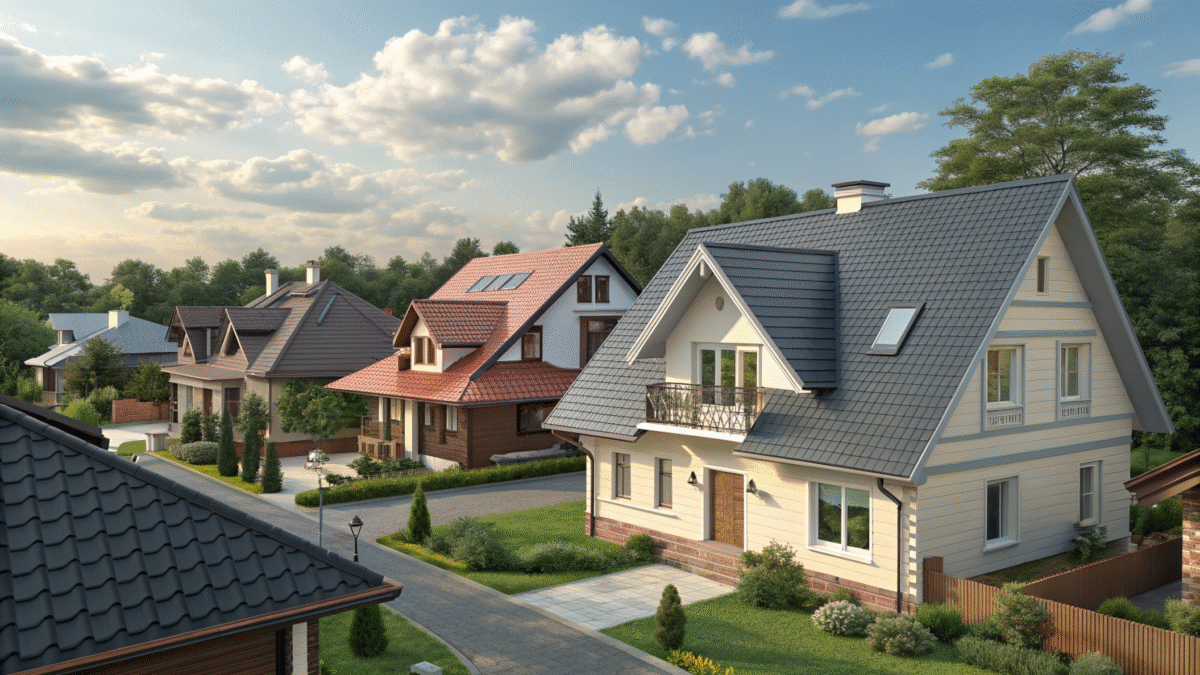
Sloped roofs come in several classic forms, each with unique features and cultural significance. Here are some popular sloped roof types frequently referenced in architectural contexts and crossword clues:
1. Gable Roof
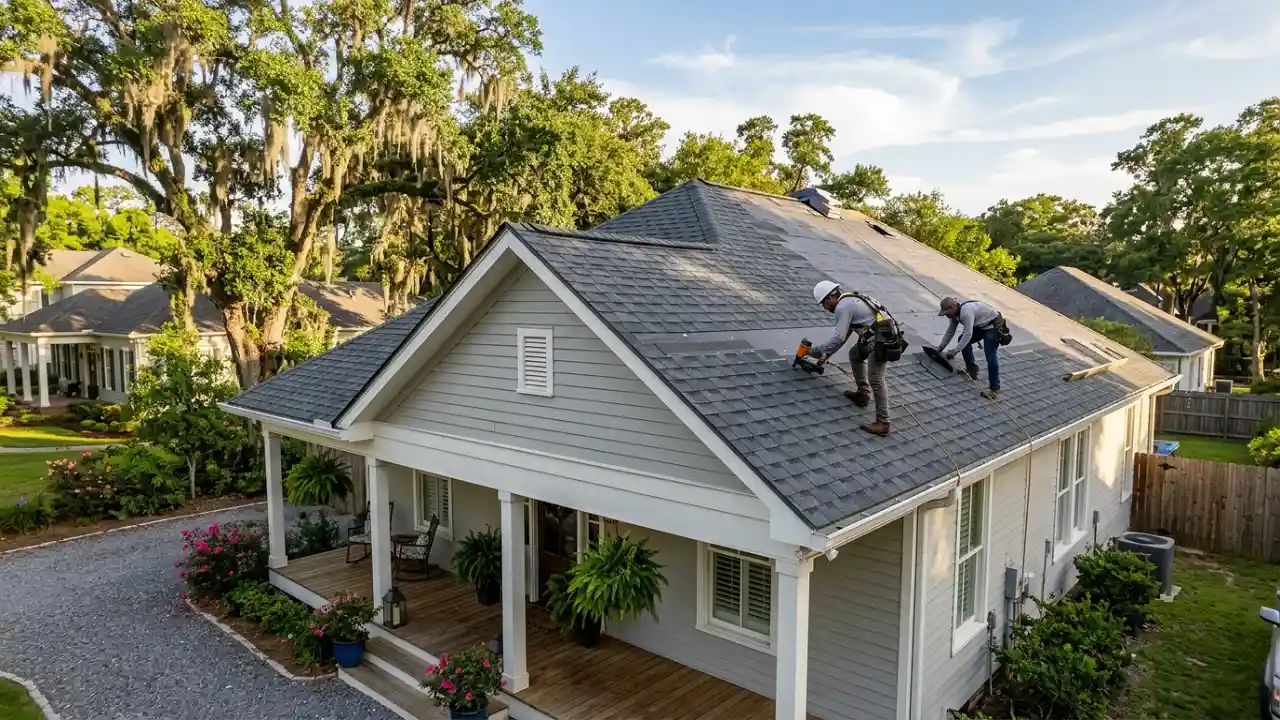
The gable roof is one of the most recognizable and common types of sloped roofs. It features two sloping sides that meet at a central ridge, forming a triangular shape. The steepness of the slopes can vary, but this design is known for its efficient water drainage and adaptability to various home styles.
Advantages: Good ventilation, simple design, cost-effective, ideal for snowy or rainy climates.
2. Gambrel Roof
Often associated with barns and colonial homes, the gambrel roof has two slopes on each side — a shallower upper slope and a steeper lower slope. This shape maximizes usable attic space, making it ideal for lofts and upper-level rooms.
Advantages: Increased space, classic aesthetic, cost-efficient construction.
3. Hip Roof
Unlike gable roofs, hip roofs have slopes on all four sides of the structure, which converge at the top to form a ridge or a point. This design offers better stability and resistance to strong winds.
Advantages: Durable against weather, adds architectural interest, good drainage.
4. Saltbox Roof
A saltbox roof is asymmetrical, featuring a long, steep slope on one side and a shorter slope on the opposite. This style is common in New England colonial homes and offers additional space on one side of the attic.
Advantages: Effective water drainage, distinctive historic look, adds character.
Why Are Sloped Roof Homes Popular in Crossword Puzzles?
Crossword clues often try to evoke imagery or succinctly describe architectural styles. Sloped roof homes are commonly used because their distinctive shapes are easy to hint at yet can vary widely in terminology:
-
Clues like “steep-roofed house” might be answered with “chalet” or “gable.”
-
Terms like “rustic dwelling” could hint at sloped roof styles typical of mountain cabins or ski lodges.
-
Some puzzles use styles like “saltbox” or “Gambrel” directly as answers.
The variety of sloped roof types makes them versatile subjects for crossword puzzles, challenging participants’ knowledge of architecture.
Advantages of Sloped Roofs in Residential Homes
Sloped roofs have dominated residential architecture for centuries for good reasons. Besides their visual appeal, they provide multiple functional benefits:
Efficient Drainage
One of the most significant advantages of sloped roofs is their ability to shed water and snow efficiently. The angled surfaces prevent water pooling, reducing risk of leaks and structural damage to the roof.
Energy Efficiency
Sloped roofs facilitate better attic ventilation, allowing heat to escape and air to circulate. This natural mechanism can reduce cooling costs in summer and improve insulation during winter, making homes more energy-efficient.
Greater Durability
Sloped roofs generally withstand harsh weather conditions better than flat roofs. Their design reduces stress on roofing materials caused by standing water, ice damming, and debris accumulation.
Increased Space and Design Flexibility
Certain sloped roof types, like gambrel or mansard, allow for increased attic or upper-floor space. This creates opportunities for additional living areas, storage, or aesthetic elements like dormer windows.
Enhanced Curb Appeal
Sloped roofs come in many styles and angles, providing homes with charming silhouettes and architectural interest, which often boosts curb appeal and property value.
Common Materials Used for Sloped Roofs
Materials for sloped roofs vary based on climate, budget, and aesthetics. Some popular roofing materials include:
-
Asphalt Shingles: Affordable, easy to install, and widely used in residential roofing.
-
Metal Roofing: Durable and long-lasting; works well with steep slopes for shedding snow quickly.
-
Clay or Concrete Tiles: Offer excellent durability and a distinctive look, common in Mediterranean-style homes.
-
Wood Shingles or Shakes: Provide natural beauty but require maintenance.
-
Slate: Extremely durable with a classic appearance, though more expensive.
Maintenance Tips for Sloped Roof Homes
Although sloped roofs are durable, proper maintenance ensures longevity:
-
Inspect gutters and downspouts regularly to prevent blockages.
-
Check for damaged, missing, or curling shingles.
-
Clear debris that accumulates in valleys or around chimneys.
-
Trim overhanging tree branches to prevent damage.
-
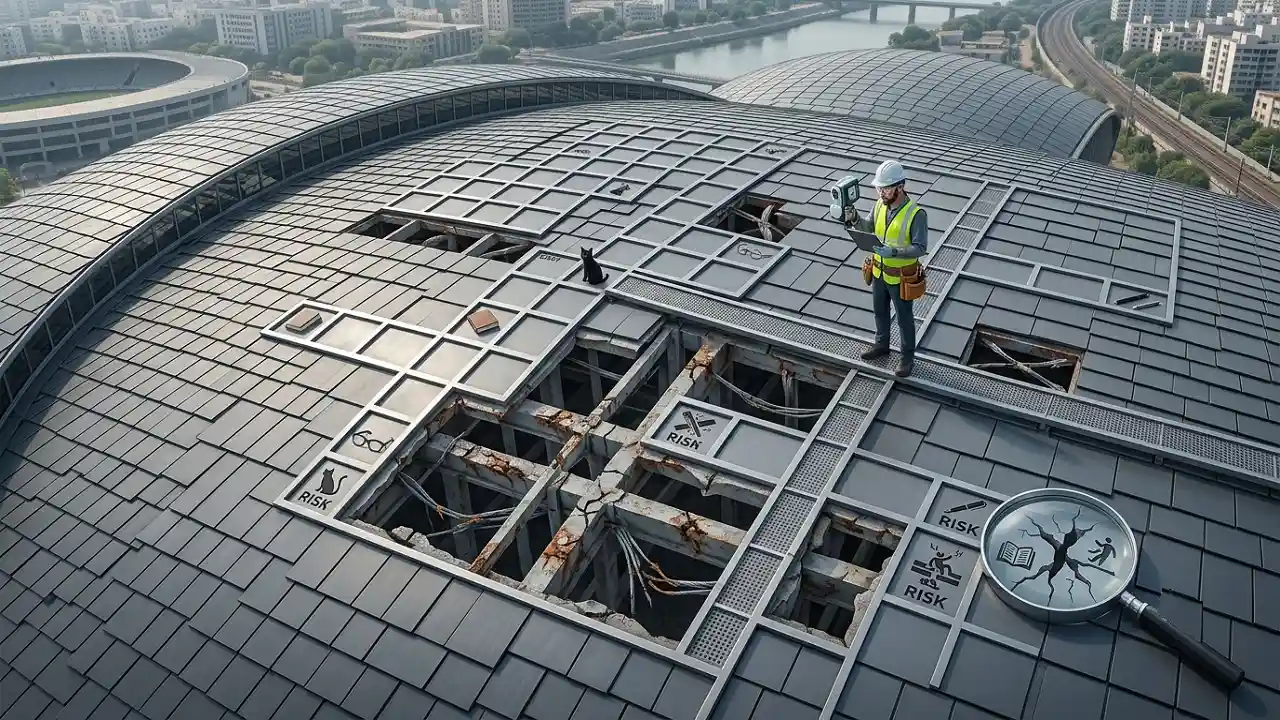
Schedule professional roof inspections periodically.
Conclusion
Sloped roof homes represent a versatile and enduring architectural choice, praised for their practical benefits, visual appeal, and variety of styles. Whether referenced in crossword puzzles or admired in neighborhoods, understanding sloped roofs enriches appreciation for home design.
From gables to gambrels, and saltbox to hip roofs, each sloped roof style offers distinct advantages suited for different climates and aesthetic preferences. Their superior drainage, energy efficiency, and design flexibility continue to make them a favored feature of residential construction.
If you’re intrigued by crossword clues hinting at these iconic home styles or considering a sloped roof for your own house, acknowledging their history and functionality can inform smart design and maintenance decisions.