
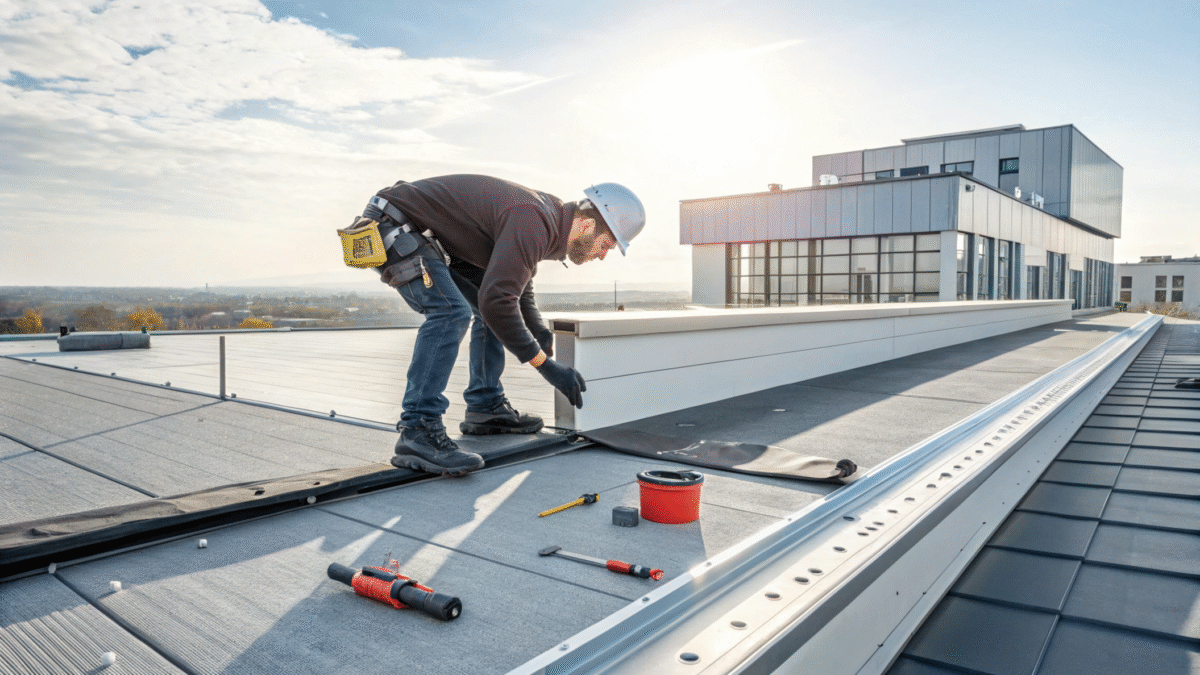
When it comes to roofing, many terms might sound unfamiliar to homeowners and even some professionals. One term that often comes up in roofing discussions is “roofing cop.” But what exactly does “roofing cop” mean, and why is it important? This article provides a detailed explanation of it, its types, functions, and why it plays a critical role in maintaining a durable, waterproof roof.
What is a Roofing Cop?
Contrary to what the name might suggest, it is not a person but a specific roofing component. A roofing cop is a prefabricated cover or capping designed to waterproof the vulnerable top edges, corners, and transitions of parapet walls or flat roofs. Its primary function is to protect these exposed areas from water penetration, which could otherwise cause structural damage and leaks.
The roofing cop acts as a critical barrier that prevents water from seeping into the building at points where standard roofing materials meet vertical surfaces or edges. Positioned typically at roof parapets, firewalls, or raised perimeter walls, it ensures that these joints remain watertight, protecting the building’s integrity.
Types of Roofing Cop
Roofing cop comes in various materials and styles depending on the type of roof and climate conditions. Common types include:
-
Metal Roofing Cop: Often made of galvanized steel, aluminum, or copper, metal roofing cop is durable, weather-resistant, and commonly used on commercial buildings and parapet walls.
-
Concrete : Precast concrete capping provides excellent protection for parapets in residential and industrial buildings where heavy-duty protection is needed.
-
Polymer or Plastic : Lightweight and corrosion-resistant, polymer roofing copping is gaining popularity for its ease of installation and durability.
-
Asphalt or Bitumen : Integrated with asphalt roofing systems for flat or low-slope roofs, providing a flexible waterproof barrier.
The choice of it material depends on factors including roof design, budget, durability requirements, and aesthetics.
Why is Roofing Cop Important?
It is essential because parapet walls and roof edges are some of the most vulnerable points to water infiltration. Without effective capping or cop, water can penetrate these junctures, leading to:
-
Water Damage and Leaks: Prolonged exposure to water weakens the parapet structure and can cause interior leaks.
-
Structural Deterioration: Water intrusion can lead to erosion of mortar joints, corrosion of metal components, and ultimately structural failure.
-
Mold and Mildew Growth: Persistent dampness promotes mold growth, which poses health risks and damages building materials.
-
Energy Efficiency Loss: A damaged roof envelope reduces insulation efficiency, increasing energy costs.
By properly installing roofing cop, building owners ensure that their roof system withstands weather elements for years, maintaining safety and reducing costly repairs.
Installation and Maintenance of Roofing Cop
Correct installation of it is crucial for its effectiveness. Installation typically involves:
-
Surface Preparation: Cleaning and smoothing the top of the parapet wall to provide a good seal.
-
Applying Waterproofing Membranes: Sometimes a waterproof membrane or sealant is applied before installing the cop.
-
Fixing the Cop: Attaching metal flashings or concrete caps securely using mechanical fasteners or mortar.
-
Sealing Joints: All seams and joints in the cop must be sealed properly to prevent water ingress.
Maintenance is also important. Regular inspections should look for signs of damage, rust, cracks, or displaced sections. Timely repairs help extend the lifespan of the roofing cop and prevent larger roofing issues.
Roofing Cop vs. Other Roofing Components
It is also useful to differentiate roofing cop from related roofing elements such as:
-
Flashing: Metal strips installed around chimneys, vents, and roof valleys to direct water away.
-
Drip Edge: Metal installed at roof edges to guide water off the roof and protect roof decking.
-
Parapet Cap: Often used interchangeably with roofing cop but sometimes refers more specifically to aesthetic trimming.
While all these parts contribute to waterproofing, roofing cop specifically covers the top horizontal surface of parapet walls.
Choosing the Right Roofing Cop
When selecting roofing cop for your building, consider:
-
Material Durability: Copper and galvanized steel last longer but may cost more. Concrete offers robustness but can be heavy.
-
Climate Suitability: Coastal or humid climates may require corrosion-resistant materials.
-
Compatibility: The roofing cop should integrate seamlessly with the roofing system and adjacent materials.
-
Aesthetics: Some materials can be painted or coated to match building design.
Consulting roofing professionals ensures the right cop type is chosen to optimize protection and longevity.
Common Roofing Cop Problems and Solutions
Even well-installed roofing cop can encounter problems, including:
-
Sealant Failure: Leads to water leaks; can be fixed by resealing joints.
-
Rust and Corrosion: Metal cop can corrode without proper coatings; regular maintenance is key.
-
Physical Damage: Impacts or weathering can crack concrete or dislodge caps. Timely repair or replacement is necessary.
-
Improper Installation: Poorly fixed copping can allow water ingress; rectifying requires removing and reinstalling properly.
Regular inspection and preventive maintenance save significant repair costs.
Conclusion
A roofing cop is an essential roofing element that often goes unnoticed but plays a vital role in protecting buildings from water damage. By capping off parapet walls and vulnerable roof edges, it ensures longevity and durability of the roofing system. Understanding the types, benefits, installation methods, and maintenance requirements of it helps property owners make informed decisions to safeguard their investments.
If you are planning a roofing project, ensure that roofing cop is incorporated properly and inspected regularly. This simple yet crucial component stands guard against the most common risks faced by flat and parapet-roofed buildings.


