Introduction
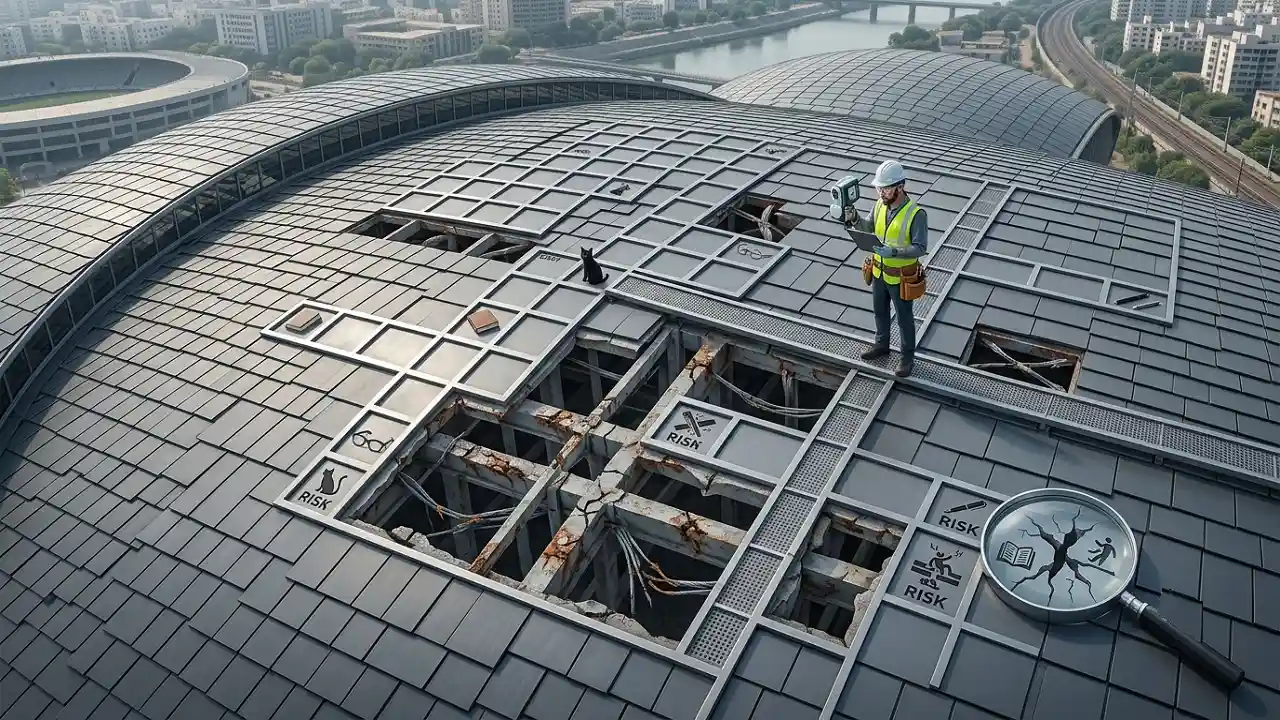
While homeowners face multiple critical issues, roof damage and gas leaks are often correlated and serious concerns. Because roof cracks are seen solely as structural issues, they typically are not seen as problematic and ignored.
This indirect negligence may result in gas leak symptoms. Understanding this hidden negligence helps prevents risks and protects the health of the occupants, as well as the necessity for costly and prompt repairs.
Consequently, this article addresses the causes of roof cracks, their potential and indirect relationship to gas leak symptoms, and explores steps and solutions to mitigate risks and preserve the integrity of the roof.
What Causes Roof Cracks?
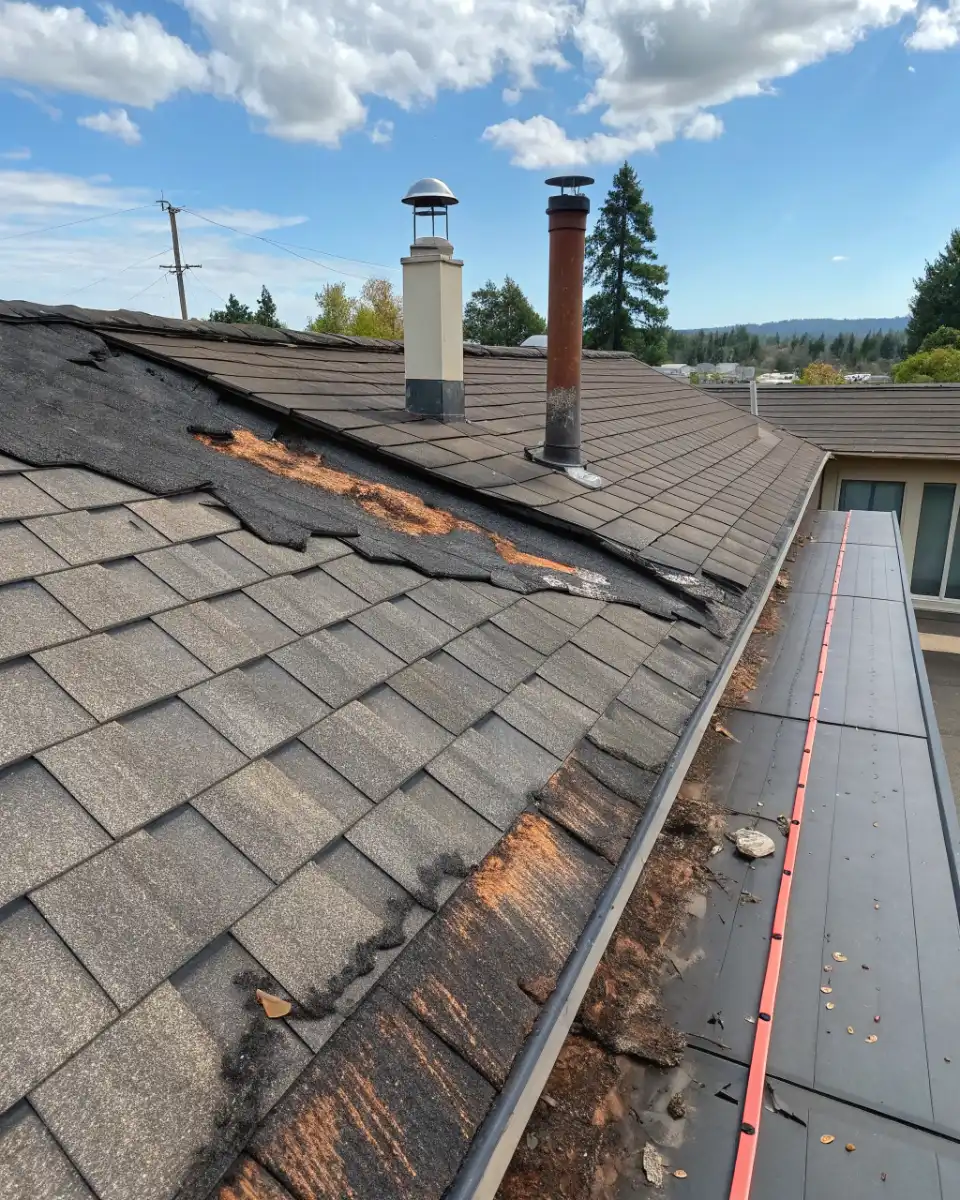
While the causes of roof cracks may seem, on the surface, unrelated to gas systems, the implications are real and concerning.
- Thermal Expansion and Contraction: With changes in daily temperatures, the materials used in the roof will expand and contract, and with time, stress cracks will form.
- Poor Waterproofing:In the original construction and any renovations, the necessary waterproofing may have been bypassed, resulting in water ingress and the weakening of roof materials.
- Structural movement:Due to climate, environmental, and mechanical factors, the dampening or settlement of structures may induce vibrations, thus producing stress fractures in the roof.
- Aging Materials:With time, roofing materials will undergo weathering, become brittle, and crack.
- Excessive Load:Placing heavy materials on the roof or walking on it may result in surface injuries due to stess.
Standing water and leaking turns roof cracks and roof failure into hornet’s nests.
How Roof Cracks Can Irregulate Gas Lines and Causes gas leak symptoms
Gas lines may not be installed on the roof, and yet roof cracks can pose danger on the gas safety level of your home.
Roof cracks promotes gas line corrosion and cracked gas line leaking in corners of attics and crawl spaces. Leak corroded gas lines and weak gas connections near the roof and walls can leak and admit gas into the home.
Gas Leak Symptoms
leak Gas is a health hazard and people may be at risk. Gas leak symptoms are easy to identify. Leak detection symptoms to be considered are:
| Symptom | Description |
| Dizziness | Feeling lightheaded or disoriented |
| Nausea | Upset stomach or vomiting |
| Headaches | Persistent headaches or migraines |
| Flu-like Symptoms | Fatigue, weakness, chills without infection |
| Irritation | Burning or watering eyes, sore throat |
| Breathing Difficulty | Shortness of breath or chest pain |
| Mood Changes | Depression or unusual lethargy |
| Nosebleeds | Unexplained bleeding from the nose |
| Skin Blisters | Pale skin or skin blistering upon contact with gas |
| Ringing in the Ears | Tinnitus or abnormal sounds in the ears |
Gas leaks are also toxic to poobs and plants. Symptoms of gas leak symptoms in plants and pets include lethargy, disorientation, and sudden death.
Gas Leak Risks Partinular to Roof Work and Hip Roofs

Risks can be pu in by someone the design of the roof and the work that is being done on the roof. Hip roof designs are sloped and complex. There are more roof joints that are prone to cracking. Roof repairs and renovations also pose a risk of disturbing hidden gas lines.
Nominal Gas Leakage: Gas can seep into the building through cracks and openings around doors and windows. hence the front doors need to be monitored for gas leaks.
Symptoms and Prevention: Roof Gas Leak Cracks Maintenance Steps
Roof Maintenance Tips
- Conduct Periodic Assessments: Assess the roof for cracks, damaged shingles, and other signs of water damage, especially around the flashing and vents.
- Waterproofing: Use long-lasting waterproofing membranes and coatings (Nanosil and Tigersil) to ensure that roof waterproofing systems are effective.
- Fast Repair of Small Cracks: Use effective fillers (e.g., Cracksil) to prevent minor gaps from worsening.
- Roof Load Monitoring: Roofs should not be walked on or unrestrained heavy objects be placed on them.
- Professional Roof Work: Licensed roofers need to be contracted for complex roof repairs, such as hip roofs.
Gas Leak Safety Measures
- Regular Gas Line Inspections: Gas lines and gas meters, including those in vulnerable attics or crawl spaces, checked by licensed gas fitters.
- Gas Detectors: Natural gas detectors should installed at gas leak symptoms source points.
- Ventilation: Attics, basements, and door entryways maintained open to leak gas.
- Symptoms Must be Addressed: If any gas smell is present, or relevant symptoms are indicated and emergency services should be contacted and the building evacuated.
Conclusion
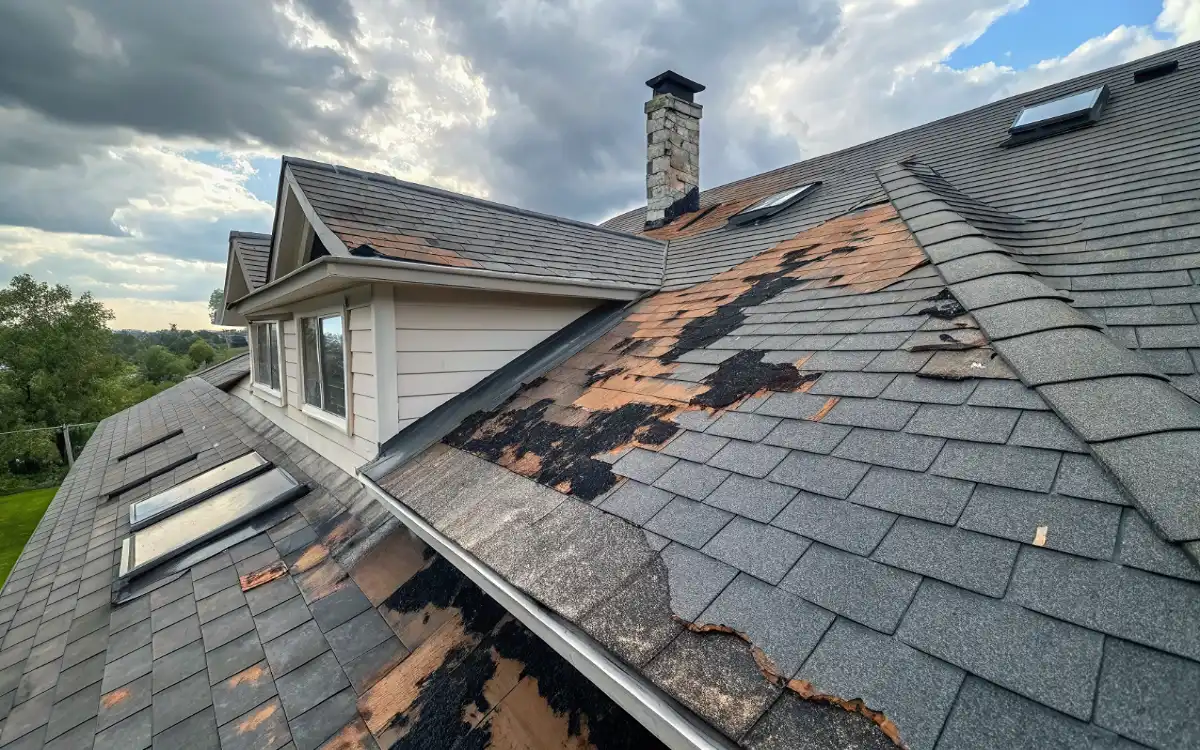
At first glance, gas leak symptoms and gas leaks may appear unrelated, however, they share an important connection. Damage to a roof can lead to gas leaks, potentially hazardous, developing through cracks that become visible.
Homeowners have a responsibility to practice routine and preventative maintenance to avoid the formation of roof cracks, gas leak recognition, and the deterioration of safety standards, to reduce the risks to their property and health.
Prompt management of roof cracks and monitoring of gas systems will enhance the safety and security of a home.
For More Roof Repair and Maintenance Visit Classic Roofing Restoration Page