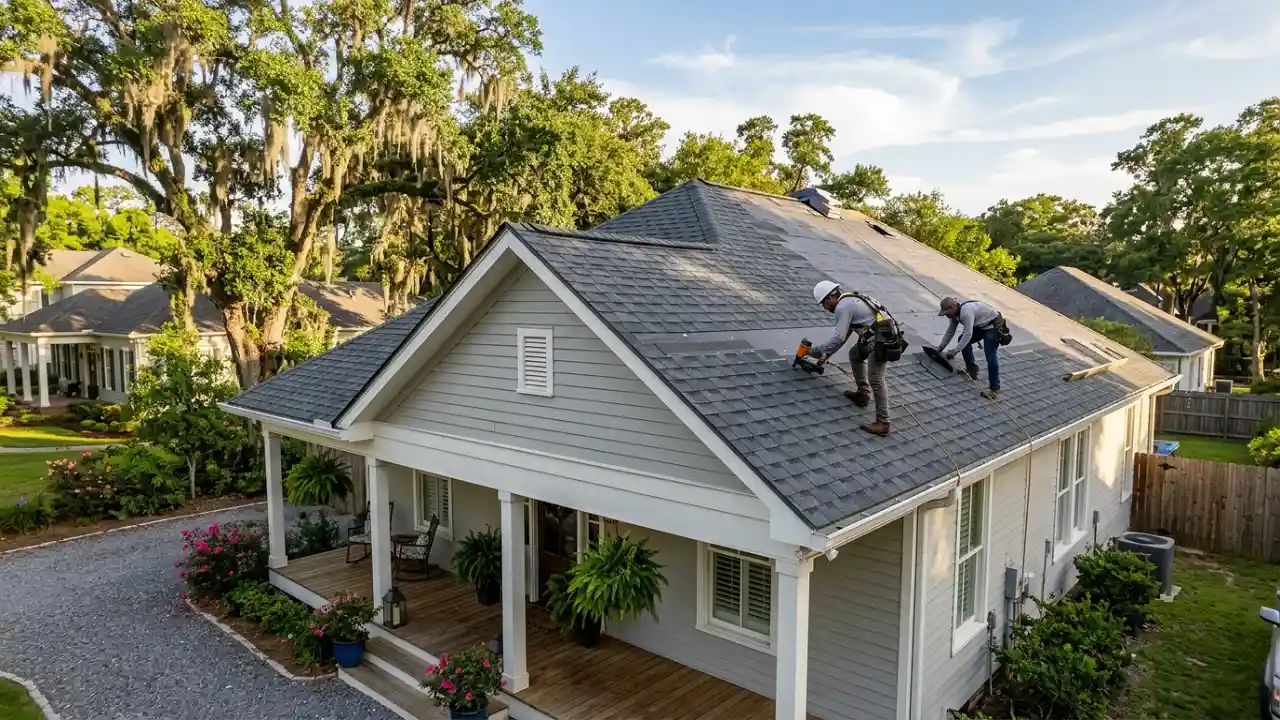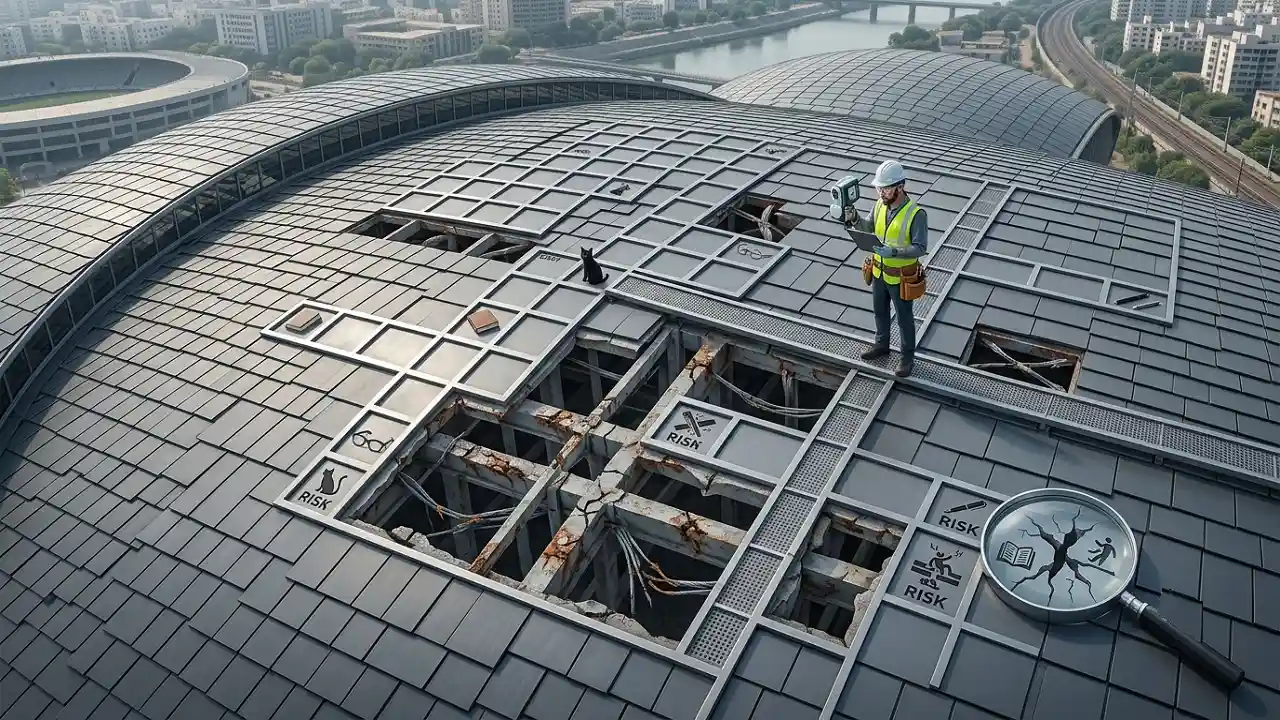
When you look up at your home’s roof, you likely notice the shingles or tiles that cover it, but the roof is much more than just the visible surface. Beneath those shingles lies a crucial component that serves as the foundation of your entire roofing system—roof sheathing.
Roof sheathing, sometimes called roof decking, is a fundamental part of your roof’s structure, yet it often gets overlooked unless you’re having a roof repaired or replaced. But what exactly is roof sheathing? What materials is it made from? When does it need to be replaced? And how does it affect the overall cost and longevity of your roof?
Drawing from over 30 years of roofing experience, the team at Bill Ragan Roofing shares everything you need to understand about roof sheathing and why it matters to homeowners.
What Exactly Is Roof Sheathing?
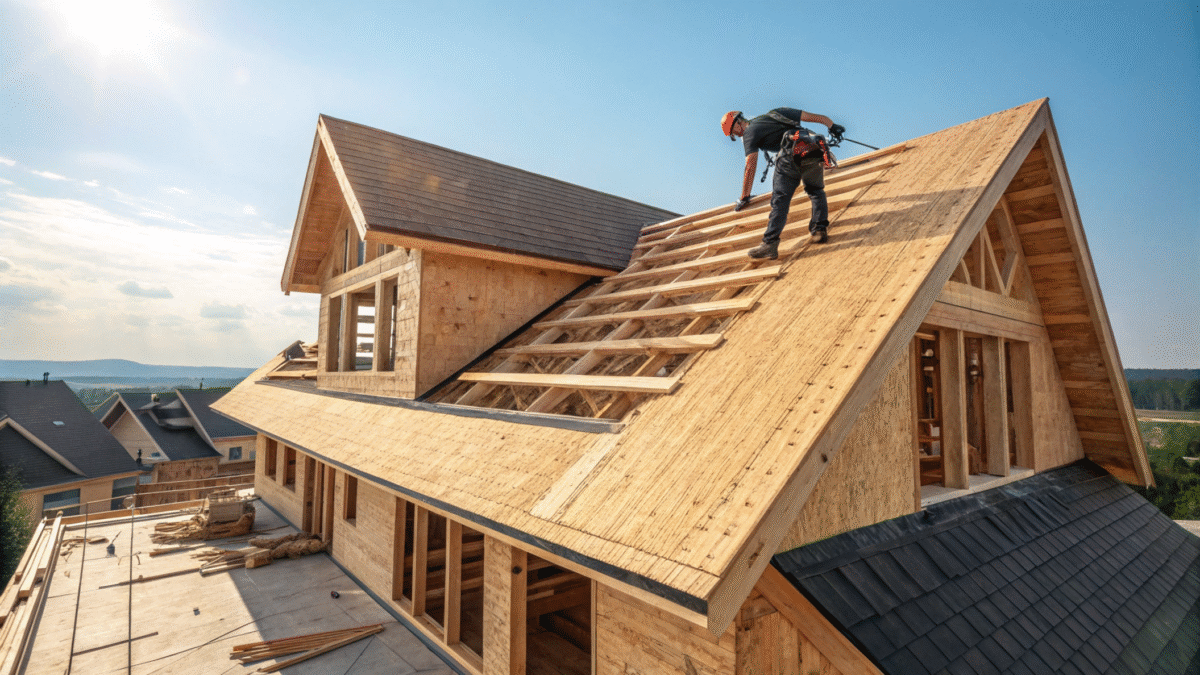
Roof sheathing is the layer of boards or panels that forms the solid surface underneath your roofing materials—like shingles, tiles, or metal. It acts as the structural base that supports these materials and gives your roof stability and strength. Without proper sheathing, the shingles would have nothing to attach to, and your roof’s structure would be compromised.
Typically, roof sheathing is made from wooden materials and there are two main types used in homes today:
-
Plank Sheathing: This is the older style of roof sheathing made from individual wooden boards or planks laid side by side, usually sized either 1×6 or 1×8 inches. Plank sheathing was the standard before plywood became widely available. While less common today, you might still see plank sheathing in older homes.
-
Sheet Sheathing: Also called panel sheathing, this type consists of wide, flat sheets of wood. The two most popular panel materials are plywood and OSB (Oriented Strand Board). These sheets come in standard sizes, usually 4×8 feet, and are installed in overlapping layers over the roof framing.
Types of Sheet Sheathing: Plywood vs. OSB
Most modern homes use sheet sheathing due to its strength, consistency, and easier installation compared to plank boards. Here are the most common options:
-
OSB (Oriented Strand Board): OSB is made by compressing shredded wood strands in layers with adhesives, forming a rigid and cost-effective sheet. At about 7/16-inch thick for roofing, OSB offers excellent durability and has become the top choice among many roofing contractors because of its affordability and performance.
-
Plywood: Plywood is made by gluing thin layers of wood veneers together with alternating grain directions, which makes it strong and flexible. It comes in thicknesses ranging from 3/8 inch to 3/4 inch, with thicker sheets recommended for longer rafter spans. While generally more expensive than OSB, plywood is prized for its moisture resistance and strength.
The choice between plywood and OSB often depends on your budget, local material availability, and personal or contractor preference. Both perform well as roof sheathing when properly installed.
When Does Roof Sheathing Need Replacement?
When you get a roof replacement, your contractor will remove the old shingles or roofing material down to the sheathing underneath. This inspection is crucial because the condition of the roof sheathing directly impacts the safety and durability of the new roof.
Your roof sheathing may need to be replaced if:
-
It shows signs of damage or rot, usually caused by prolonged water exposure from leaks, ice damming, or poor attic ventilation.
-
Warped, cracked, or broken boards are present, which weaken structural integrity.
-
The sheathing is too thin or weak to support new roofing materials safely.
Contractors typically replace any damaged or compromised sections during a roof replacement project. If damage is extensive, a full roof re-deck may be necessary, meaning all sheathing boards or panels get swapped out. However, minor repairs and spot replacements are far more common.
Because you can’t see the sheathing until the roof covering is removed, the exact extent of replacement isn’t clear until the tear-off phase begins.
Building Codes and Roof Sheathing
Roof sheathing isn’t just about structural support; it’s also governed by local building codes designed to ensure safe and effective roof installation.
According to the 2018 International Residential Code (IRC), specifically section R905.1. Roofing materials must be applied according to manufacturer instructions and local regulations. These instructions often specify the type and condition of sheathing required.
For example, when using plank sheathing, vast gaps (larger than 1/8 inch) between boards must be fixed or replaced. Shingles need a solid surface for proper fastening. Installing roofing materials over poorly spaced plank sheathing can void the manufacturer’s warranty. This concern is less prevalent with sheet sheathing, which typically provides a continuous, uniform surface.
It’s vital to follow these codes and manufacturer guidelines to ensure. Your roof’s warranty remains valid, and your roof functions safely.
How Roof Sheathing Affects Your Roof Replacement Cost
Like any major home repair, replacing roof sheathing can significantly impact your project’s overall cost. The price varies depending on how many boards or panels require replacement and the type of sheathing used.
-
Spot Replacement: Fixing a few damaged boards or panels usually adds a modest amount to your roofing bill.
-
Full Re-deck: Replacing the entire layer of sheathing across the roof is a much larger expense due to the materials and labor involved.
Material costs fluctuate with market demand, but generally, plywood tends to be pricier than OSB.
It’s important to note that roofing contractors may estimate a certain amount of sheathing replacement in their initial quotes. It includes provisions for additional replacements if damage is found during the tear-off. Be sure to clarify this in your contract to avoid surprises.
Additional Things to Know About Roof Sheathing
-
Thickness Matters: The thickness and type of sheathing must match your roof’s design requirements and local building codes to provide proper support.
-
Installation Quality: Proper nailing and secure attachment of sheathing panels or boards are essential for roof strength and to prevent issues like warping or buckling.
-
Moisture Protection: While roofing shingles protect from water, damaged or improperly installed sheathing can allow moisture intrusion, which leads to rot and mold development.
Conclusion: Roof Sheathing Is a Critical Roof Component
Though it may be hidden from view, roof sheathing is one of the most essential parts of your roofing system. It forms the base on which your roof material sits and directly affects your roof’s lifespan, durability, and performance.
When replacing your roof, understanding what roof sheathing is, its types, when it needs replacement. And how it influences cost helps you make better-informed decisions. It also equips you to ask the right questions and work efficiently with your roofing contractor.
For a deeper understanding of roofing systems and components, you might want to explore additional resources like the “9 Materials. Included With Your Roof Replacement,” which covers all the critical parts working together to protect your home.
Since 1990, Bill Ragan Roofing has proudly served Middle Tennessee homeowners with expert roofing services backed by a lifetime craftsmanship warranty. Our commitment is to empower you with knowledge so you can confidently protect your home.