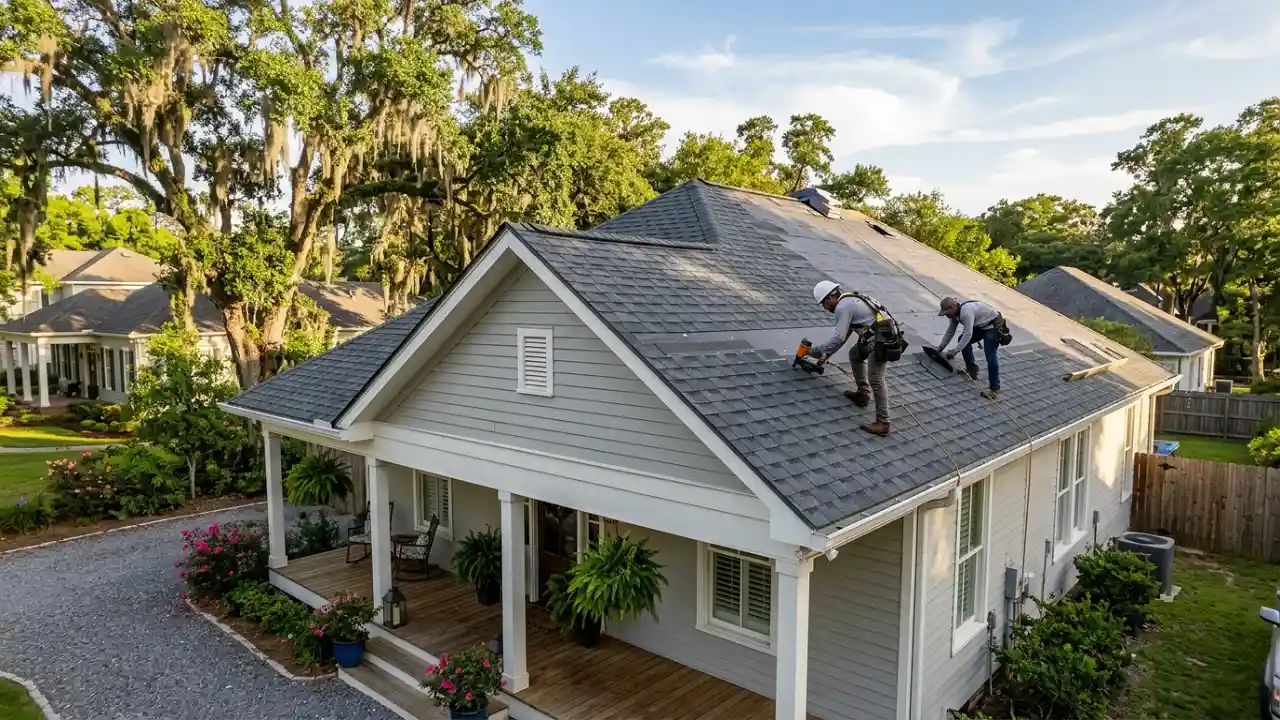
When you walk around any neighborhood, you’ll notice many different kinds of vents and penetrations on rooftops. These features aren’t just decorative—they are essential components that help your roof and home operate efficiently. Among these, roof vents are particularly critical because they enable your home to breathe, increase your roof’s durability, and help regulate energy costs.
Flapper vent roof come in a variety of shapes and sizes, but selecting the right type for your home involves understanding how they work and the specific styles available. In this article, we’ll break down everything you need to know about roof vents to make the right choice for your attic’s ventilation system.
Why Is Attic Ventilation Important?
Your attic ventilation system is designed to promote healthy airflow within your home. It works by drawing fresh air into your attic through intake vents and expelling warm, moist air out via exhaust vents. This airflow helps reduce heat buildup, minimize moisture accumulation, and prevent damage to your roof structure and home interior.
Proper attic ventilation improves energy efficiency by reducing the workload on your heating and cooling systems. It also extends your roof’s lifespan by preventing damage caused by excess heat, condensation, mold, and mildew.
There are two main types of attic ventilation systems based on how air moves through the attic: active and passive ventilation. Understanding these systems and their compatible roof vent types will help you choose the best setup.
How Does Active Attic Ventilation Work?
Active ventilation vents continuously move air in and out of the attic with mechanical or powered assistance. These vents use fans, turbines, or solar power to actively draw out hot, stale air and encourage the intake of fresh air, maintaining a more efficient airflow cycle.
The most popular active roof vents include:
-
Turbine Roof Vents (Whirlybirds): These use a spinning turbine to pull hot air out of the attic. Powered by wind and convection currents created by rising heat, a properly installed turbine vent can circulate attic air about 10-12 times per hour. Notably, they require some wind to operate at peak efficiency but still work on calmer days due to natural air movement. There is a common misconception that rain, insects, or snow can enter through turbine vents; however, this only occurs if the vent is damaged or poorly installed.
-
Power Roof Vents: These vents use electric motors to pull hot air from the attic actively. Usually installed near the roof ridge with a low profile, they’re effective but add to your electrical bills. Their motorized nature means eventual maintenance and possible replacement. Electric installation by a professional electrician is essential for safety and compliance, and using a humidistat control during winter helps prevent attic condensation and mold.
-
Solar-Powered Roof Vents: Similar to power vents, these operate on solar energy, reducing electricity costs. However, they can only run while the sun is shining as they depend on charging batteries during sunlight hours. Since they often don’t have long-lasting battery power, the vent may turn off temporarily, potentially increasing air conditioning costs during those periods.
-
Ridge Vents with a Baffle (Filtered Ridge Vents): Ridge vents run along the roof’s peak and allow hot air to escape evenly across a large surface area. They are discreet and blend with the roofline. The added baffle or filter channels airflow, ensuring it is consistent and prevents debris, insects, rain, or snow from entering the attic. This combination makes ridge vents among the most popular and effective options for active ventilation.
What Is Passive Roof Ventilation?
Unlike active vents, passive roof vents lack mechanical parts and work purely by natural forces such as wind and heat convection. While they operate silently and require less maintenance, their airflow depends on external conditions, which means they don’t continuously move air as active vents do.
The most common types of passive roof vents include:
-
Box Roof Vents (Static, Turtle, or Louver Vents): These box-like vents sit on the roof surface and allow heat that rises in the attic to escape. Commonly used on roofs where a ridge vent installation isn’t feasible, box vents can be less effective overall, often requiring more vents for adequate airflow. Their bulky appearance may also be a concern for homeowners seeking a cleaner roof look.
-
Ridge Vents without a Baffle: These vents resemble their active counterparts but lack the interior baffle or filter. While they allow hot air to exit along the entire roof ridge, they don’t protect from rain, snow, or insects. Most experts recommend investing in the baffle version for its added benefits.
-
Gable End Vents: Mounted on the attic’s gable end wall (the triangular wall section at the roof’s peak), these vents rely on wind to push air horizontally out of the attic. When gable end vents are on both sides, they create a cross-breeze effect, but this can sometimes reduce the efficiency of vertical ventilation from ridge vents. Due to this reason, gable vents are less popular in newer come constructions.
The Most Popular Intake Vents for Your Attic
While most roof vents function as exhausts that expel air, intake vents allow fresh outside air to enter your attic space. Proper intake ventilation ensures a balanced airflow, which is essential for effective attic ventilation.
The most commonly used intake vent is the soffit vent, particularly the continuous soffit vent. Soffit vents are located beneath the roof’s eaves and connect the roof edges to the home’s exterior walls. Continuous soffit vents run the full length of the eaves and have perforations for optimal air intake, creating a large surface area for better air circulation.
Individual soffit vents are also used, but they are smaller, installed about five feet apart, and cover less intake area than continuous soffit vents.
How Many Roof Vents Does Your Attic Need?
Knowing the different types of roof vents is only part of the solution. Your attic space must have the correct number and balance of intake and exhaust vents for proper ventilation. Too little ventilation will trap heat and moisture, causing damage, while too much may create drafts or increase energy costs.
Since each vent type covers a specific amount of free airflow space, the number of vents needed depends on the vent type and your attic’s square footage. There isn’t a one-size-fits-all recommendation.
For precise calculations and advice on the number of roof vents your attic requires, it’s crucial to assess your roof’s size and ventilation needs. For more details on this topic, you can refer to guides like “How Much Attic Ventilation Do I Need?” which break down vent requirements by attic area.
Conclusion
Choosing the right roof vent is crucial for maintaining a healthy home environment, extending the life of your roof, and reducing energy bills. Understanding the types of active and passive roof vents, as well as popular intake vents such as soffit vents, provides the knowledge needed to make informed decisions for your attic ventilation system.
Whether you opt for turbine, power, solar, ridge, box, or gable vents, proper installation and adequate vent quantity are critical to maximizing the benefits of your ventilation system. For more tailored advice, consulting a professional roofing contractor is always a wise step.