Evaluating Roof Risk: 2025 Perspective
In recent years, Warning Signs Hit the Roof numerous households have been subjected to record-high temperatures, heatwaves, and powerful winds and storms. Such conditions place additional stress on older and poorly maintained roofs.
Current roofs must achieve the dual goals of durability and sustainability. Homeowners are interested in green products that can withstand harsh conditions. Every home is at risk if the signs of structural failure in the roofs, be they gambrel roof, steep-pitched, or contemporary butterfly and skillion roofs, are neglected.
The Consequences of Ignoring Warning Signs Hit the Roof Failure
Ignoring signs of trouble at the roof level can result in sudden and costly consequences, such as water damage, structural failure, and collapse.
In 2025, roofers are called to deal with emergencies that arise from underestimated Warning Signs Hit the Roof.

Homeowners can avoid great internal damage, personal risk, and substantially increased repair costs that are inevitable and follow neglected roof problems if they act in time.
Signs of Roof Failure in 2025
The following are signs of trouble that demand immediate response:
- Roof leaks: There should be no dripping water, especially during and after storms.
- Ceiling or roofline sagging: This is a sign of structural failure and can be a sign of rot and beam overloading.
- Missing, cracked, or curling shingles: Any damaged shingles, whether they are asphalt, tile, or metal, roofmax put your roof at risk.
- Granules in gutters: If you start to see shingle debris or “grit” in your gutters, then shingles are starting to break down.
- Water stains or discolouration: If you see dark spots on your ceiling or walls, leaks are likely hiding there.
- Moss, algae, or mould growth: These point to moisture retention and poor ventilation.
- Exposed or rusted flashing: Any metal that protects corners and joints (like around chimneys) should always be intact.
- Blistering or bubbling on roof surfaces: Trapped moisture often causes blistering and bubbling, signalling a failed protective barrier.
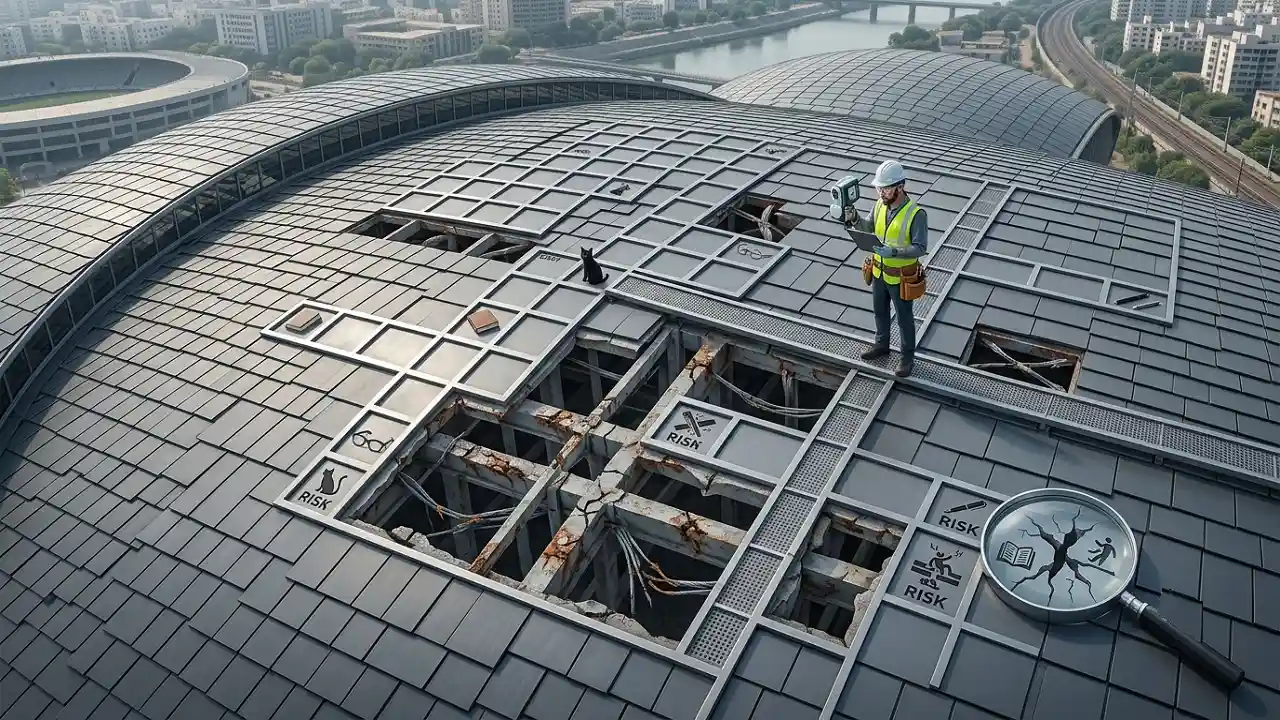
- Visible structural damage after a storm: Check for holes and punctures as well as new debris on or around the roof.
2025 Roofing Materials and Technologies: A Quick Update
In 2025, new roofing materials are meant to last longer and withstand severe weather.
- Reflective & “cool” roofs: These roofs are designed with light-colored finishes and coatings to reflect sunlight, thus reducing the temperature and roofing stress.
- Fire-resistant materials: People generally prefer safety with metal roofs and advanced coatings, in addition to clay, concrete tiles, and other composite materials, as they are fire resistant.
- Smart roofing systems: Some roofs now have integrated fire sensors for early warnings.
- Choosing to be eco-friendly: Homeowners, for reasons such as performance as well as greener living, opt for recycled or sustainable materials as well.

Top Warning Signs Your Roof Needs Immediate Attention
| Warning Sign | Description/What to Look For | Why Immediate Action is Needed |
| Persistent leaks | Drips, spots, or water trails on ceilings/walls | Water damage spreads fast, leads to rot |
| Sagging ceiling or rafters | Visible dips, bowing, or wavy rooflines | Structure may collapse without notice |
| Missing/Cracked Shingles | Empty spots, cracks, or curling edges | Exposes underlying layers to more damage |
| Granules in gutters | Sediment, “grit,” black debris in gutters | Shingles are breaking down, aged or failing |
| Stains/Discoloration | Dark or yellow spots on inside walls/ceilings | Often first visible sign of hidden leaks |
| Mold/Moss/Algae growth | Green patches, mildew smell, visible slime | Indicates unwanted moisture and bad airflow |
| Damaged flashing | Loose, rusted, or missing metal around features | Water can easily enter at gaps |
| Blistering/Bubbling surface | Raised or “puffy” areas on roofing surface | Barrier has failed, membrane may be ruined |
| Visible storm damage | Dents, holes, or fresh debris after a storm | Storm damage can quickly escalate |
When the warning signs hit the roof: What not to ignore
- These signs are the Warning Signs Hit the Roof. Do take this as a sign to call roof installers.
- Neglected storm damage becomes worse with every rainfall.
- If ceiling sagging occurs, roof slope underlying structure weakens, posing a danger to occupants.
- When a roof is failing, multiple missing shingles is a clear sign, and it is likely that water is seeping in.
- Persistent leaks lead to rotting insulation, corroding wires, and thriving mould.
- An unexplained increase in heating or cooling costs suggests insulation, or lack thereof, and hot or cold air escaping through roof openings.
- The right time to call roof installers is when no signs are visible. Homeowners often delay as signs and hoping the situation will improve. This can lead to collapsed structures, fires, and a huge amount of repairs.
Indicators that necessitate immediate contact with roof professionals include:
- Any sort of sagging or severe structural distortion.
- Any of the signs of large patches of missing, cracked, or gutter debris shingles.
- Water stains that are expanding, hip roofs bulging ceilings.
- Several leaks occurring simultaneously, the so-called hidden leaks.
- Visible holes, or damage caused by storms or fires.
If in doubt, it is always safer to get an inspection. Modern roofers offer thirty-minute comprehensive checks with photo documentation and clear next steps.

With heat waves and extreme storms expected in 2025, the consequences of ignoring the Warning Signs Hit the Roof damage can be severe.
Roof Care Tips: Prevention in 2025
- Continue to schedule annual professional inspections even if nothing is visibly wrong.
- Clean your gutters seasonally to avoid water backup and shingle damage.
- Maintaining proper ventilation in the attic space helps control heat and moisture levels.
- It is important to have professionals assess damage after storms to detect any unseen impacts.
- For safety reasons, roofs that have Warning Signs Hit the Roof should not be walked on and left to certified installers.
Modern Roof Styles
All roofs whether gambrel, hip, high roof pitch or slope, roofmax systems, or even the newer butterfly and skillion roof structures have their share of trouble and warning signs.
Each roof style presents its unique risks, however, all of them should receive prompt attention from professionals.
Conclusion: Warning Signs Hit the Roof, Take Action
Not acting on Warning Signs Hit the Roof that arise on the roof endangers personal safety and the integrity of the home.
In the year 2025 with unparalleled extreme weather and highly innovative roofs, the first step to loss prevention and cost minimization is seeking professional help.
Keep the roof warning signs table handy and call your professional roof contractor as soon as you see any of the signs.
For More Roof Repair and Maintenance Visit Classic Roofing Restoration Page